
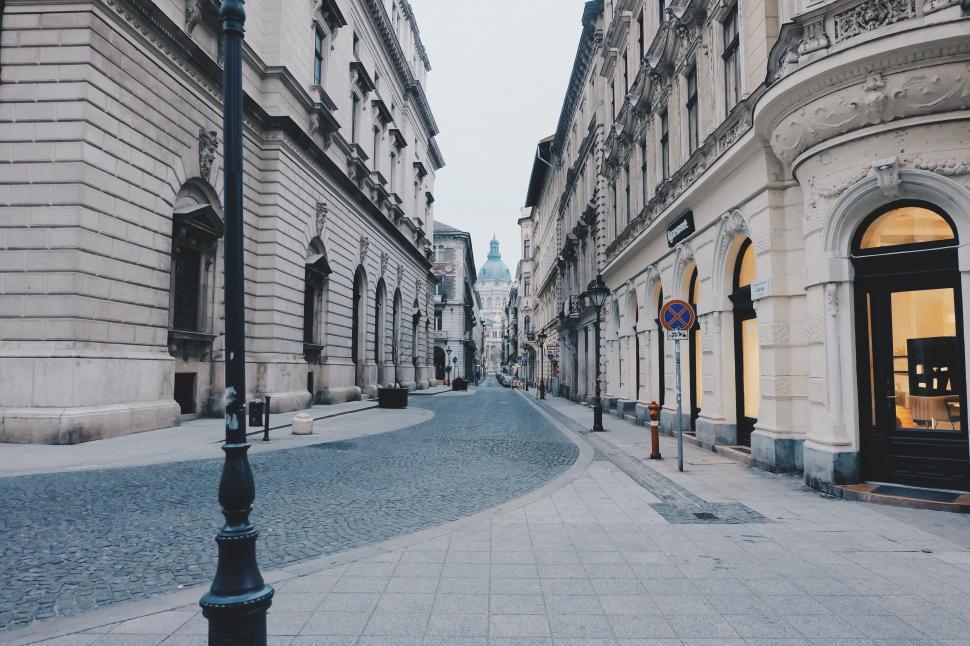
You know what I’ve noticed lately? The way people talk about travel has changed. Not louder, not flashier — quieter. More considered. Fewer exclamation points. More pauses. It’s less about where you went and more about what stayed with you after you came back.
I don’t know if it’s the past few years catching up to us or just collective fatigue with doing too much, but travel has stopped being performative. People aren’t chasing the same five photos anymore. They’re chasing a feeling — ease, curiosity, maybe even a little silence. And once you see it, you can’t unsee it.
I keep hearing friends say the same thing in different ways: “I don’t want to rush,” or “I want to actually feel like I was there,” or my favorite, “I want to come home rested, not impressed.” That alone explains why slower trips, longer stays, and fewer destinations are quietly winning right now. Time has become the real luxury. Not thread count, not private transfers — time to sit, to notice, to return to the same place twice and be recognized.
There’s also been a shift in how people choose destinations in the first place. The question isn’t “Where should I go next?” as much as “What do I need?” Some people need rest. Some need inspiration. Some want to reconnect — with a partner, a parent, a version of themselves that got lost somewhere between work and obligation. Travel has turned inward, and honestly, it makes better trips.
That’s part of why off-season travel feels so good right now. Cities breathe differently when they’re not overrun. Coastal towns feel like themselves again. You hear more local language than luggage wheels. It’s not about avoiding people entirely — it’s about space. Space to observe without elbowing your way through the moment. And yes, the better rates help, but that’s not the real benefit. The real benefit is access — to conversations, to places that don’t feel staged, to experiences that aren’t rushed along because someone’s waiting behind you.
What’s interesting is that this shift isn’t anti-luxury. If anything, it’s redefining it. High-end travelers are still traveling well — they’re just more discerning. They want places with a point of view. Hotels that feel grounded, not generic. Experiences that make sense in context, not ones that could’ve happened anywhere. Flash without substance doesn’t land the way it used to.
And then there are the niche trips, which I think say more about people than destinations ever could. Stargazing trips. Food-driven itineraries. Architecture weekends. Nighttime experiences built around music, art, or atmosphere. These aren’t trends so much as signals — people don’t want to be treated like tourists. They want to be seen as individuals with interests, curiosity, taste.
What all of this comes down to is intention. The best trips right now aren’t trying to be everything. They’re trying to be right. Right for the moment someone is in. Right for how they want to move through the world for a week or two. That kind of travel leaves a mark — not loudly, but lastingly.
Here’s what I think about this, honestly: if you’re still planning trips the same way you did five years ago, you’re probably missing out on something. Travel hasn’t gotten smaller — it’s gotten smarter. More personal. More reflective of who we are when no one’s watching.
So yeah, maybe the future of travel isn’t about going farther or doing more. Maybe it’s about paying better attention. And once you start traveling that way, it’s hard to go back.