In a development that has captured global attention, North Korean leader Kim Jong Un has reportedly designated his 13-year-old daughter, Kim Ju Ae, as his successor, continuing the dynastic legacy of the Kim family that has ruled the isolated nation for more than seven decades. If confirmed, this unprecedented succession would make Ju Ae one of the youngest heirs to a head-of-state role in modern history, raising questions about the future of governance, regional stability, and the continuation of North Korea’s policies.
The Grooming of Kim Ju Ae
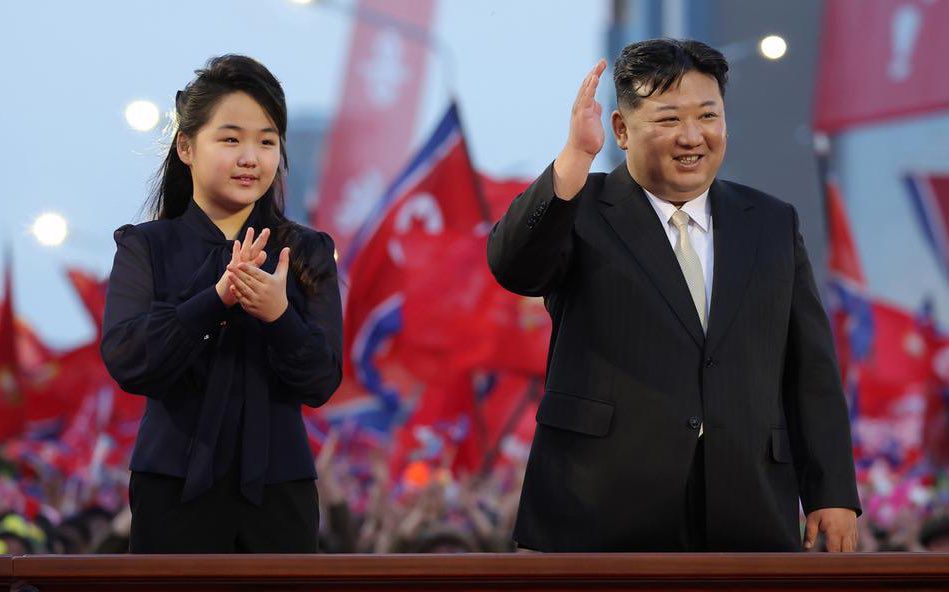
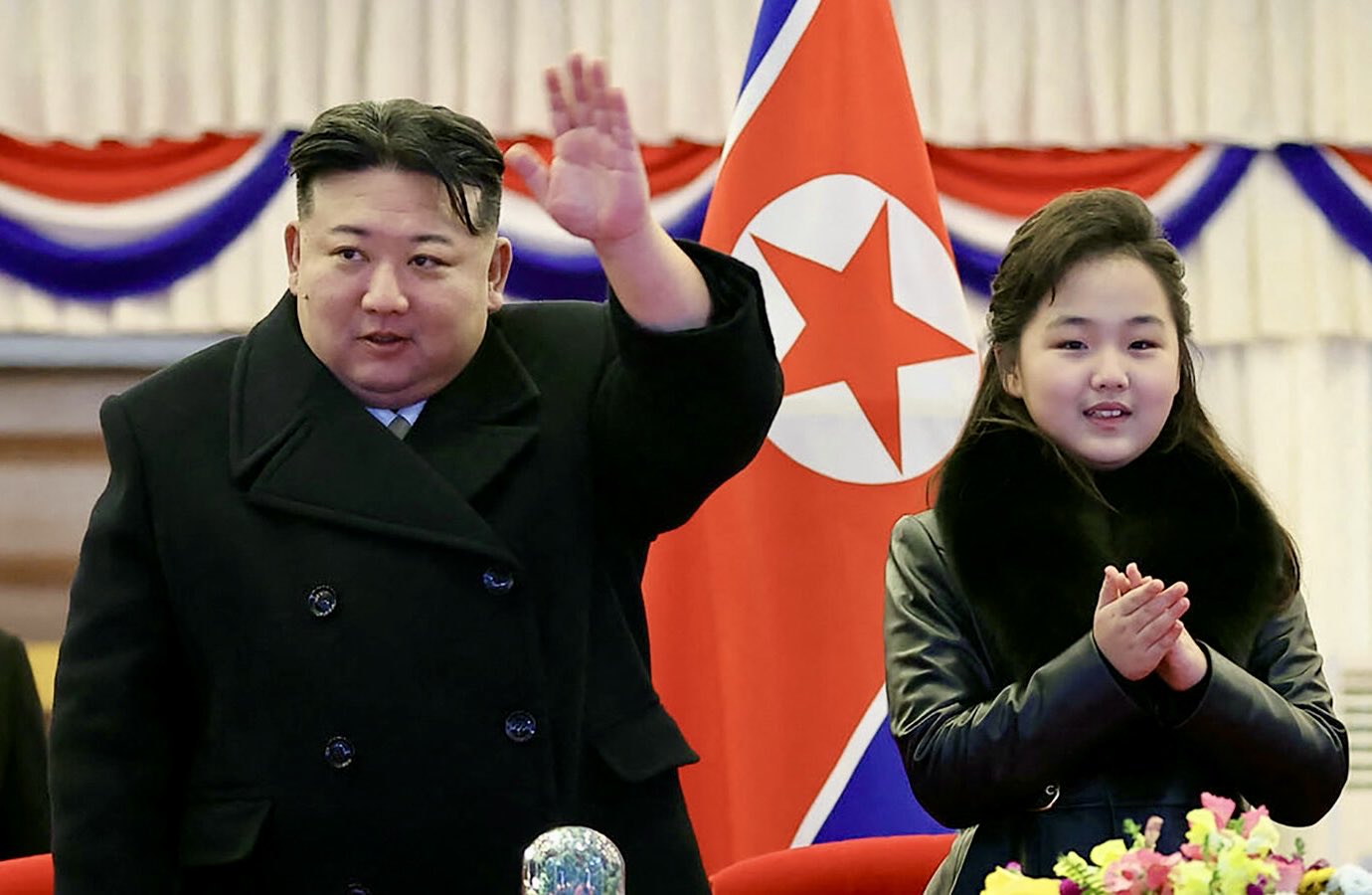
Very little is publicly known about Kim Ju Ae, who has been carefully shielded from media scrutiny throughout her life. Analysts have noted her appearances alongside her father at high-profile events over the past several years, often at ceremonies celebrating military achievements or national milestones. These appearances are widely interpreted as part of a carefully orchestrated preparation for leadership, signaling to both domestic audiences and elite officials that she is being groomed to continue the Kim dynasty.
Observers suggest that while Ju Ae is too young to rule independently, a core team of senior advisors and trusted officials will likely manage day-to-day governance under her symbolic leadership. This mirrors historical patterns in North Korea, where familial succession has been central to political legitimacy. Kim Il Sung, Kim Jong Il, and now Kim Jong Un have all emphasized lineage and family loyalty as foundational pillars of the regime’s authority.
Dynastic Continuity and Domestic Significance
The decision to appoint a teenage daughter as heir apparent serves multiple strategic purposes. Domestically, it reinforces the image of the Kim family as unbroken and inviolable, sending a clear message to the country’s elite and military leaders that the regime’s continuity is secure. By positioning Ju Ae at the center of succession, Kim Jong Un is also cultivating a sense of stability and inevitability, mitigating internal challenges or rival power struggles that could destabilize the country.
The choice of a female heir is particularly notable in a society historically dominated by male leadership. Ju Ae’s designation underscores the Kim family’s ability to control the narrative, emphasizing lineage over gender in maintaining political power. While the practical governance will still be handled by adult advisors, her appointment carries symbolic weight, ensuring that the dynasty remains central to North Korean identity.
International Implications
Globally, the news has sparked intense analysis from governments and think tanks. North Korea’s leadership transition has profound implications for regional security, nuclear diplomacy, and international relations. Analysts predict that Ju Ae’s rise will continue her father’s strategic policies, particularly regarding North Korea’s nuclear program, military posture, and domestic authoritarian control. However, the unusual nature of her age and gender introduces an unprecedented element of uncertainty in how foreign governments engage with Pyongyang in the coming years.
Historical Context
North Korea’s succession system has always emphasized the centrality of the Kim family. Kim Il Sung established the foundation of dynastic rule, succeeded by Kim Jong Il, and later by Kim Jong Un, each maintaining tight control over political, military, and social institutions. Ju Ae’s designation represents the fourth generation of the Kim family to inherit power, highlighting the enduring nature of dynastic governance in a modern, nuclear-armed state. Few countries in history have witnessed such a direct and carefully staged succession to a teenager, making this a truly historic moment.
Challenges Ahead
Despite the symbolic power of Ju Ae’s appointment, significant challenges lie ahead. Internally, she will rely on a cadre of senior officials to manage state affairs until she reaches an age suitable for independent rule. Externally, North Korea will continue to face intense scrutiny from neighboring countries, the United Nations, and global powers concerned about stability, nuclear proliferation, and human rights issues. The international community will closely monitor whether this dynastic transition maintains continuity or introduces unexpected shifts in policy and strategy.
Kim Ju Ae’s designation as North Korea’s next leader is more than a personal milestone—it is a historic moment for the world’s most secretive regime. It underscores the unbroken influence of the Kim dynasty, the strategic use of family succession for political legitimacy, and the careful orchestration of power in a country often shrouded in secrecy. As global leaders, analysts, and citizens watch closely, Ju Ae’s rise symbolizes both continuity and unprecedented change in North Korea’s political landscape.