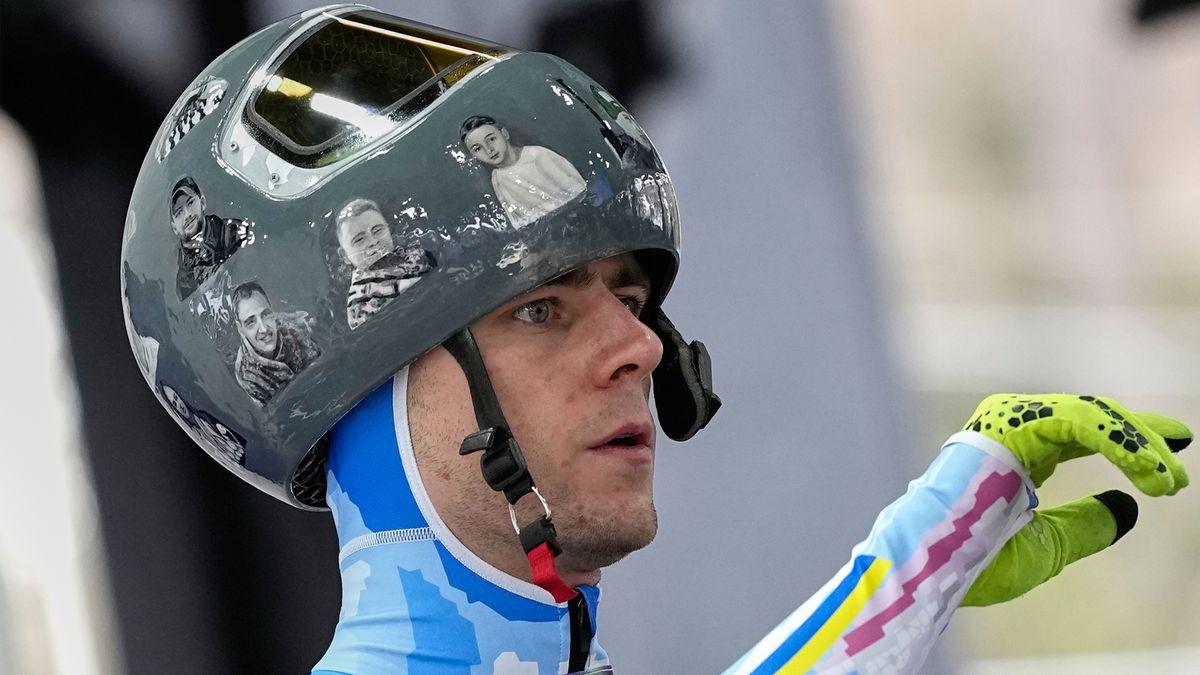
Ukrainian skeleton pilot Vladyslav Heraskevych has been banned from competing at the Winter Olympics after repeatedly wearing a helmet featuring images of Ukrainian athletes who were killed during Russia’s invasion of Ukraine, according to officials familiar with the decision.
Heraskevych, one of Ukraine’s most prominent winter sports athletes, had used the helmet as a symbol of remembrance and protest, honoring fellow sports figures who lost their lives in the ongoing war. The helmet reportedly displayed portraits and names of athletes killed since the invasion began, turning his Olympic gear into a powerful political and humanitarian statement.
Olympic authorities ruled that the helmet violated regulations prohibiting political messaging and symbolic protests during competition. Despite warnings, Heraskevych continued to wear the helmet, prompting officials to impose a ban that prevents him from participating in the Games.
The decision has sparked global debate about the limits of political expression in sports, especially during times of war. Supporters argue that Heraskevych’s actions were not political but deeply human, aimed at honoring fallen athletes and bringing attention to the devastating impact of the conflict on Ukraine’s sporting community.
Critics of the ban say the ruling reflects the Olympic movement’s struggle to remain “neutral” in the face of real-world tragedies.
Heraskevych has previously been outspoken about the war, using his platform to advocate for Ukrainian athletes and call for greater international awareness. In statements shared on social media, he said the helmet was meant to ensure that “those who died are not forgotten,” adding that he believed sport should not exist in isolation from reality.
The International Olympic Committee (IOC) has long maintained strict rules against political demonstrations at Olympic venues, arguing that the Games must remain a space for unity and neutrality. However, the incident highlights growing tension between athlete activism and institutional regulations, especially in an era where sports figures increasingly use their visibility to address global crises.
For many Ukrainians, Heraskevych’s ban is seen not as a disciplinary matter, but as a symbolic silencing of war victims. The controversy underscores how the conflict continues to ripple far beyond the battlefield, reaching international arenas and challenging the traditional boundaries between sport, politics, and human rights.
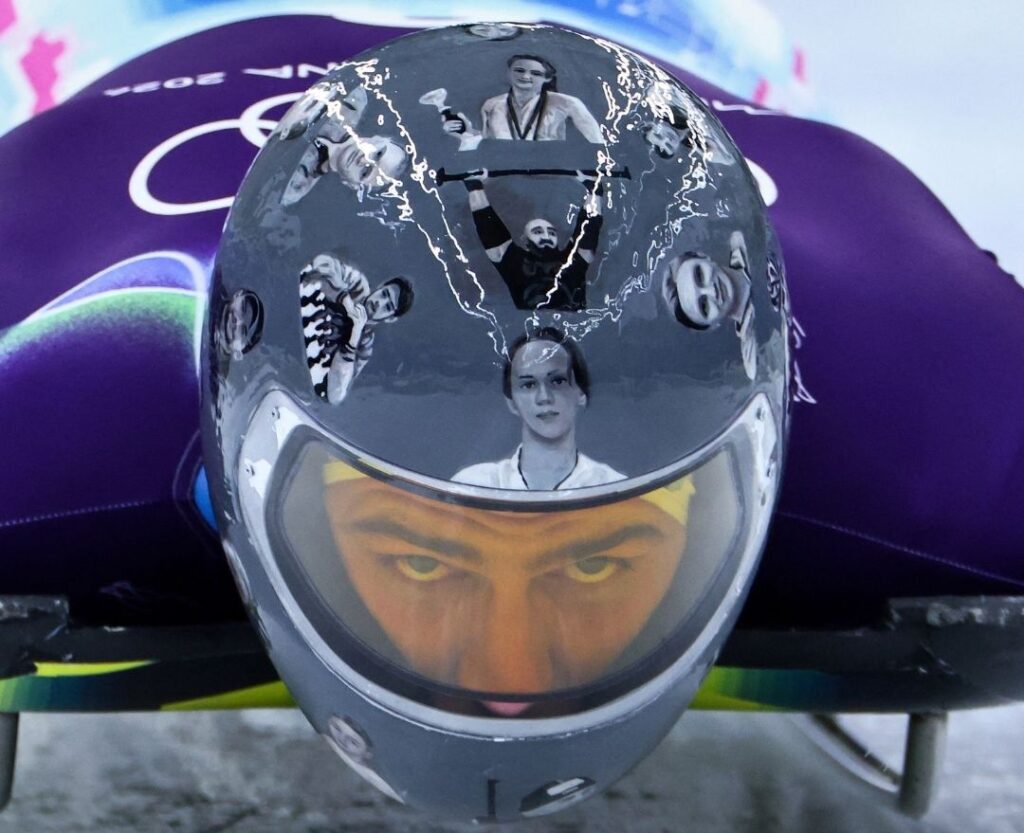
“Ukrainian skeleton athlete Vladyslav Heraskevych banned from the Winter Olympics after wearing a helmet honoring athletes killed in the war.”