
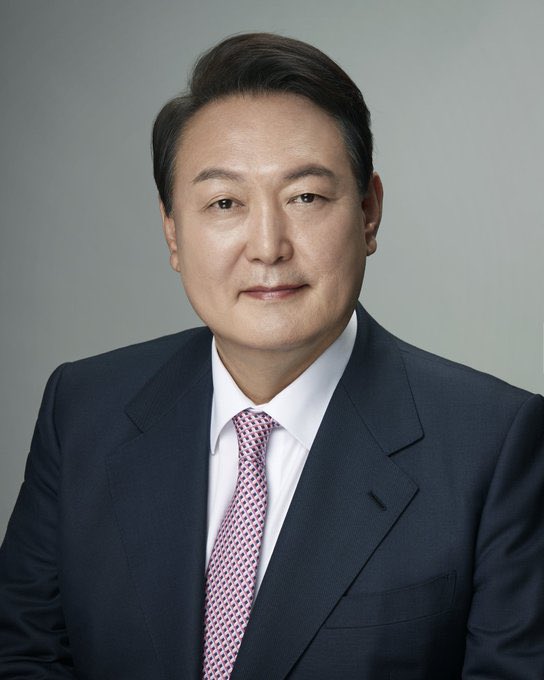
Former South Korean President Yoon Suk Yeol has been sentenced to life imprisonment following his controversial declaration of martial law in December 2024 — a decision that plunged South Korea into one of the most serious political crises in its modern democratic era.
The December 2024 Declaration
In December 2024, Yoon invoked emergency powers and imposed martial law, citing what his administration described at the time as urgent threats to national stability. The declaration expanded military authority, restricted public gatherings, and temporarily curtailed certain civil liberties. Opposition leaders, civil society groups, and legal scholars immediately challenged the move, arguing that it lacked constitutional justification and undermined democratic governance.
Large-scale protests erupted across Seoul and other major cities, with demonstrators accusing the president of overreach and authoritarian conduct. The National Assembly moved swiftly to condemn the declaration, triggering a constitutional and political showdown that ultimately led to impeachment proceedings and criminal charges.
The Charges and Trial
Prosecutors charged Yoon with abuse of power, violation of constitutional order, and unlawful use of emergency authority. During the trial, the prosecution argued that the imposition of martial law did not meet the strict constitutional thresholds required under South Korean law and that it destabilized democratic institutions for political purposes.
Defense attorneys contended that the president acted within his constitutional powers in response to extraordinary circumstances and maintained that national security considerations justified the temporary measures.
After months of testimony from constitutional scholars, military officials, lawmakers, and civil rights advocates, the court ruled that Yoon’s actions represented a “grave breach of democratic order” and an unlawful expansion of executive authority. The life sentence reflects what the court described as the “serious and lasting impact” of the decision on the nation’s constitutional framework.
Political and Public Reaction
The ruling has sharply divided the public. Supporters of Yoon argue the sentence is politically charged and excessive, while critics say it reinforces the principle that no leader is above the law. Demonstrations from both camps have continued in the wake of the verdict, though authorities have urged calm.
Political analysts note that the case further cements South Korea’s reputation for aggressively prosecuting former leaders, continuing a pattern in which past presidents have faced legal consequences after leaving office.
A Defining Moment for South Korean Democracy
Legal experts describe the verdict as one of the most consequential rulings in the country’s democratic history. The court emphasized that emergency powers must remain strictly limited and subject to constitutional safeguards, particularly in a nation that experienced decades of military rule in the 20th century before transitioning to democracy.
Appeals are expected, and the legal battle may continue through higher courts. However, the initial ruling sends a strong message about the boundaries of executive power in South Korea’s constitutional system.
As the country moves forward, the case will likely serve as a defining reference point in debates over presidential authority, national security, and the resilience of democratic institutions in times of crisis.
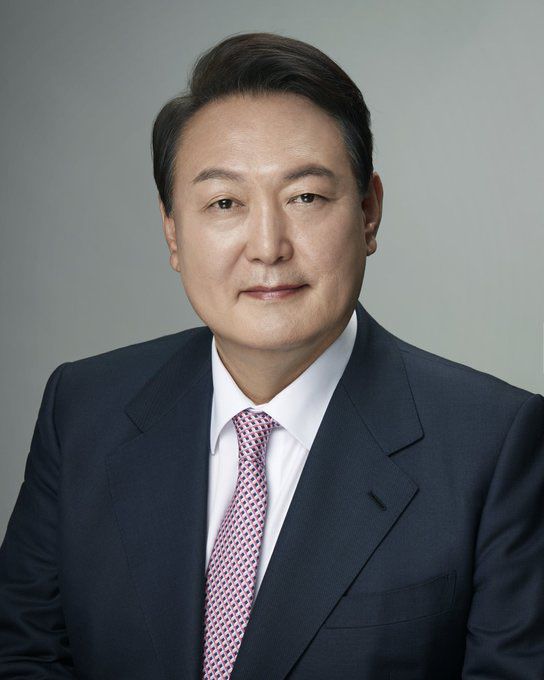
Former President Yoon Suk Yeol faces a historic moment as he is sentenced to life in prison, marking one of the most consequential rulings in modern South Korea political history.