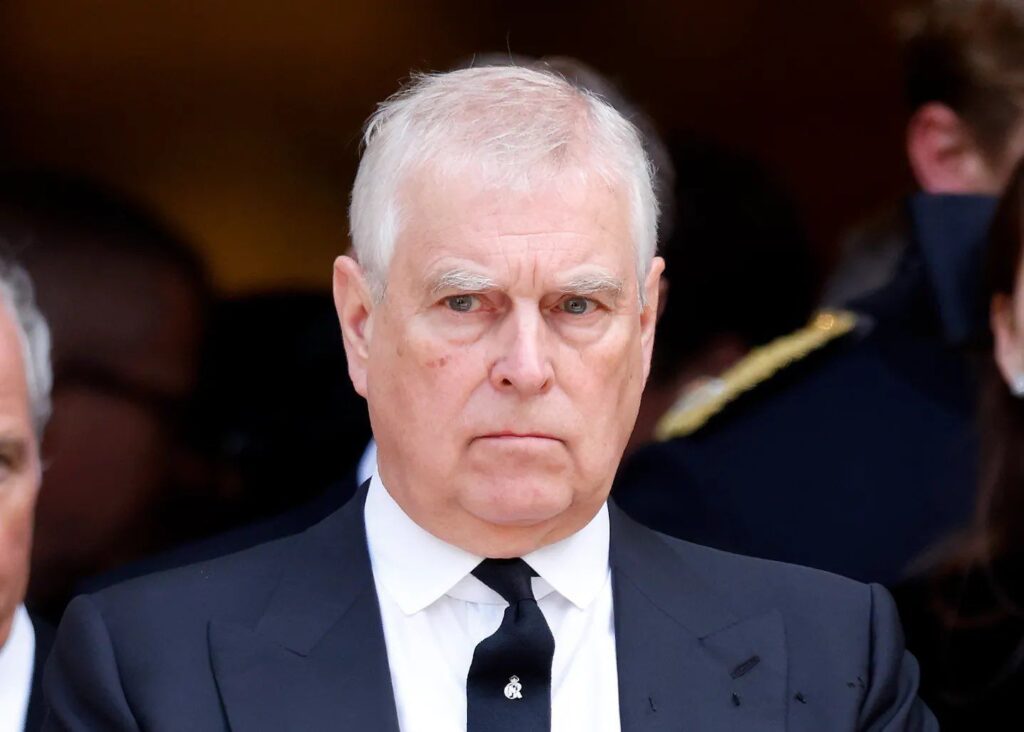
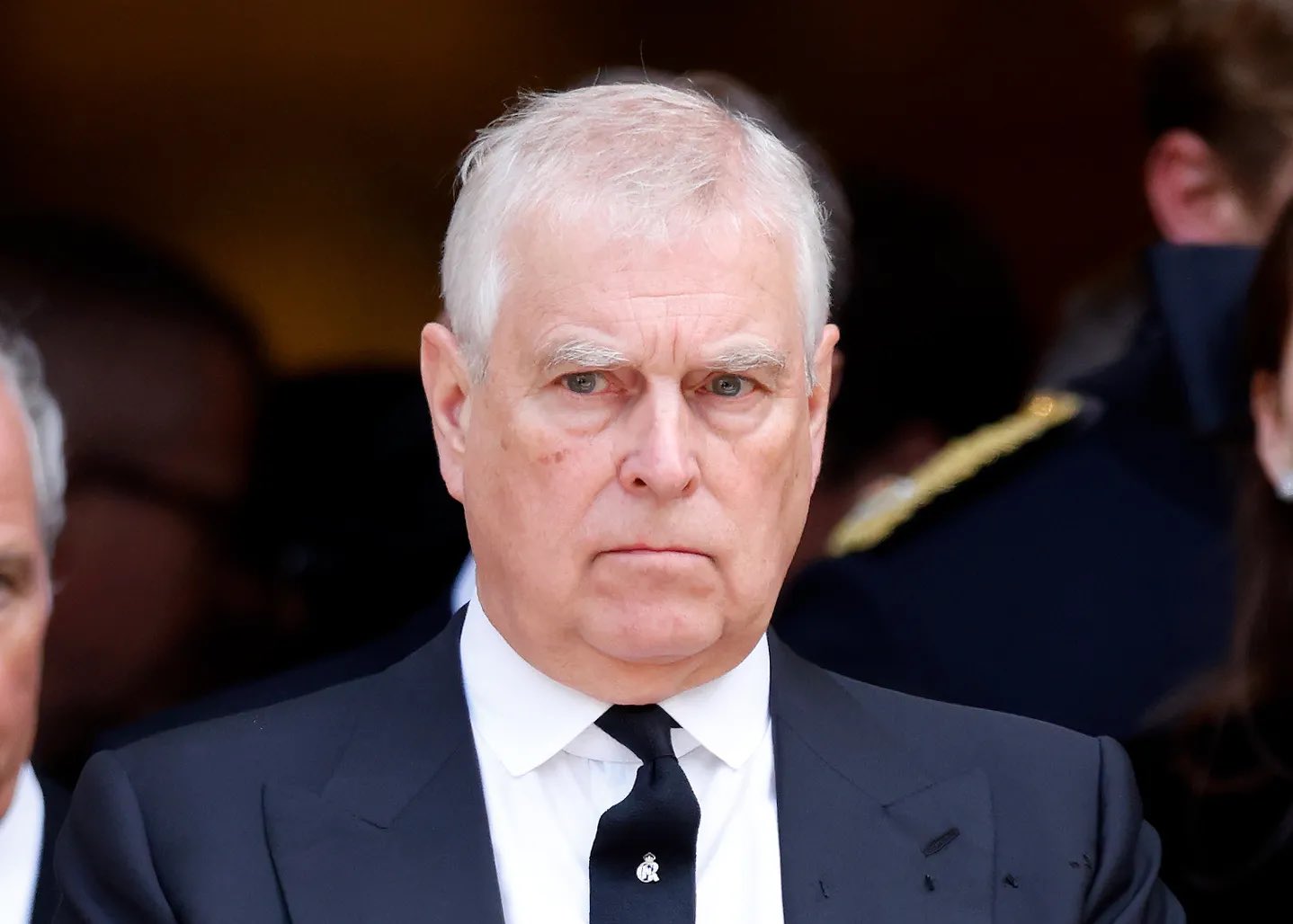
In a development that has sent shockwaves through British public life and global media, Andrew Mountbatten-Windsor, formerly known as Prince Andrew, has been arrested on suspicion of misconduct in public office, local police confirmed on Thursday.
The arrest — centered on allegations connected to his conduct while serving as a U.K. trade envoy — marks a rare moment in British history, representing one of the most significant legal actions ever taken involving a senior member of the British royal family.
The Arrest and Police Action
Thames Valley Police said officers detained “a man in his 60s” at an address in Norfolk early Thursday morning as part of an ongoing investigation into alleged misconduct in public office. While the force did not immediately name the individual, multiple verified news outlets have confirmed that the suspect is Andrew Mountbatten-Windsor, who turned 66 on the very day of his arrest.
Unmarked police vehicles were reportedly seen outside his residence at Wood Farm on the Sandringham Estate, where officers executed the arrest and later conducted searches there and at another property in Berkshire. The suspect remains in custody as inquiries continue.
What Is “Misconduct in Public Office”?
In the United Kingdom, misconduct in public office is a serious common-law offense that applies when someone holding a public position:
• Willfully neglects or abuses their role, and
• The behavior amounts to a breach of the public’s trust.
The charge often arises in cases where public servants misuse confidential information, act with improper motives, or place private interests ahead of public duty.
The exact conduct under investigation has not been fully outlined by authorities, but reporting suggests the probe focuses on alleged actions tied to his former role as a government trade envoy — specifically whether confidential material was handled improperly and whether his relationship with convicted sex offender Jeffrey Epstein was exploited in ways that breached public trust.
Historical Context and Epstein File Revelations
The broader inquiry appears linked to the release of documents from the U.S. Justice Department’s Epstein files, which included previously undisclosed correspondence and records involving Epstein’s network of powerful associates. The disclosure of those communications reignited scrutiny of Andrew’s past interactions with Epstein, prompting fresh questioning of his conduct during official duties.
This is not the first time Andrew’s reputation has been affected by public scrutiny — he stepped back from royal duties in 2019 following controversy over his connections to Epstein — but the current arrest represents an escalation from reputational damage to formal legal jeopardy.
Legal Implications and What Happens Next
If prosecutors decide to bring formal charges following further investigation, the case could proceed to trial — a process that would draw intense domestic and international attention. Misconduct in public office carries potential prison sentences if a conviction is secured.
Meanwhile, the Crown Prosecution Service and police have pledged to proceed carefully, emphasizing that investigatory work remains ongoing and that the presumption of innocence applies.
A Defining Moment in Royal Accountability
This arrest marks a watershed moment, both for Andrew personally and for the British constitutional system. A senior member of the former royal household being taken into custody on suspicion of abusing public office is unprecedented in modern times, highlighting the evolving relationship between the monarchy, public service, and the rule of law.
As investigations continue, authorities are expected to release further details. One thing remains clear: this is not just another royal controversy — it is a historic legal moment with consequences for public trust, institutional accountability, and how modern Britain holds its most prominent figures to account.