
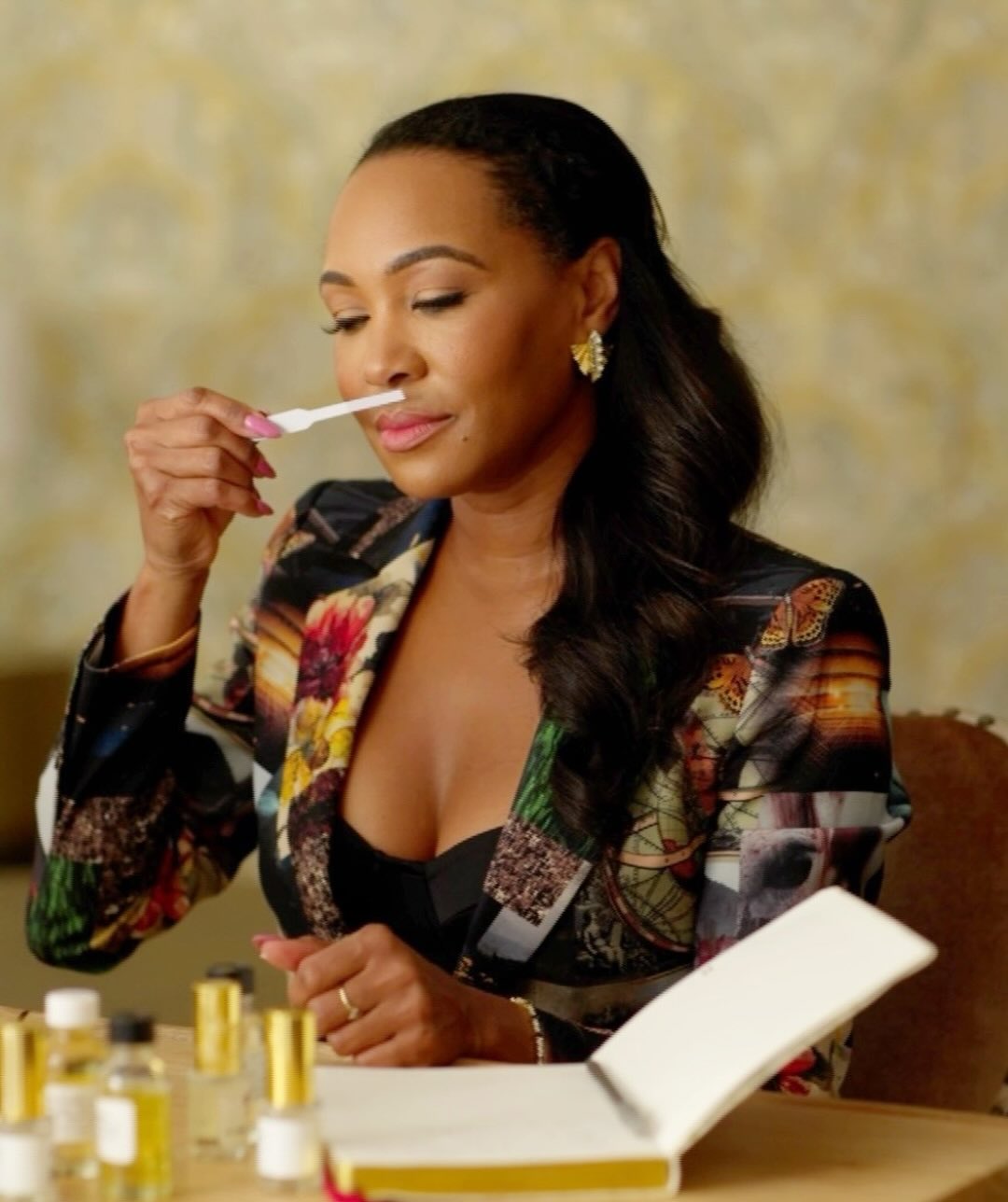
Luxury does not have to come from Paris. It can rise from Harlem.
Harlem Perfume Company is a niche fragrance house founded by Teri Johnson, an entrepreneur who began her journey not in a traditional perfume laboratory, but with candles inspired by the cultural renaissance of Harlem. What started as the Harlem Candle Company evolved into a refined fragrance brand rooted in heritage, storytelling, and unapologetic opulence.
For readers who prioritize legacy brands and heritage houses, this is one to know.
The Origin: From Candles to Couture Fragrance
Johnson launched Harlem Candle Company with a clear vision: to create luxury home fragrances inspired by the Harlem Renaissance. The early 20th-century cultural movement, marked by artistic brilliance and Black intellectual achievement, became her blueprint.
Each candle paid homage to icons such as Langston Hughes and Josephine Baker. The packaging leaned into Art Deco aesthetics—gold accents, bold typography, structured elegance. The positioning was intentional: this was not novelty branding. It was premium storytelling.
Demand expanded. Customers were not just buying scent; they were buying narrative. That shift led to the evolution into Harlem Perfume Company, where Johnson translated those atmospheric stories into wearable fragrance.
The Brand Philosophy: Harlem as Muse
Harlem Perfume Company is not themed décor. It is an olfactory archive.
The fragrances channel jazz clubs, literary salons, speakeasies, and the layered sensuality of a neighborhood that has long shaped global culture. The compositions are sophisticated—often featuring warm ambers, florals, spice, and woods—constructed to feel textured rather than linear.
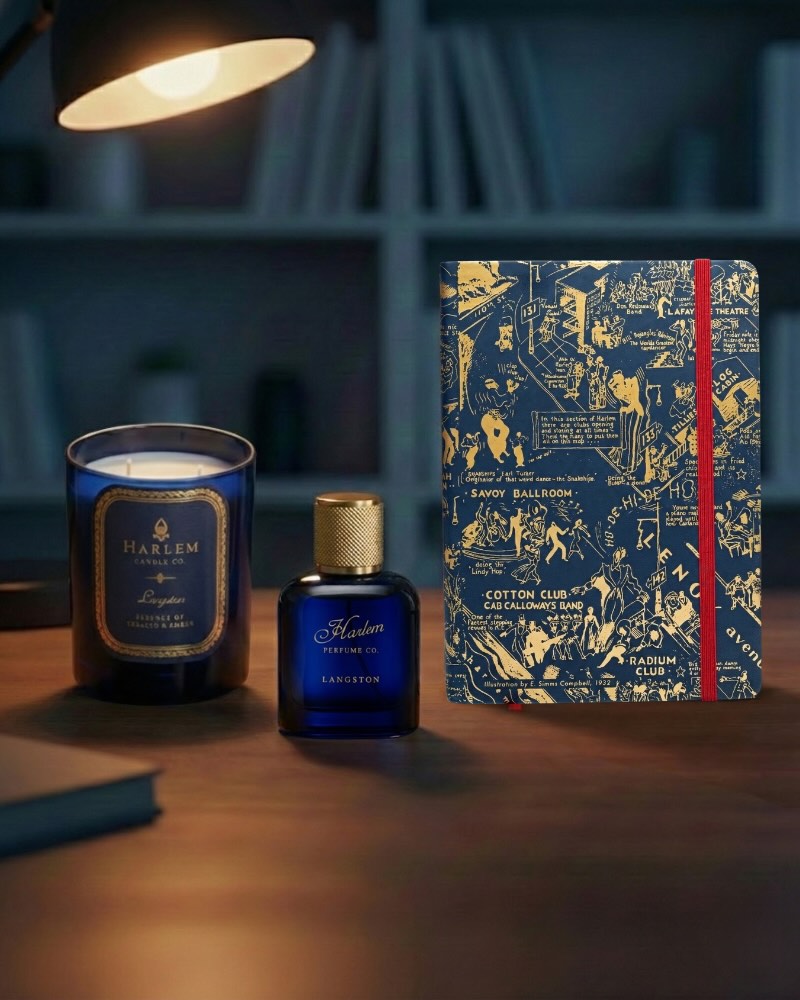
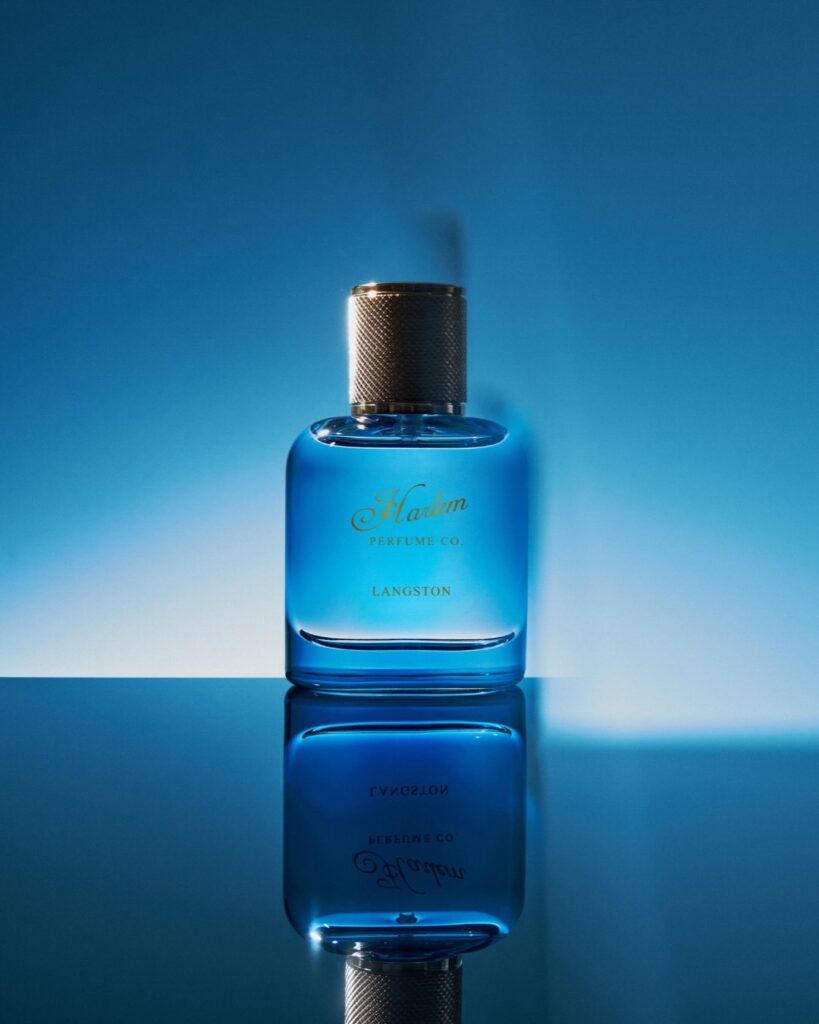
The aesthetic mirrors European luxury houses: weighty glass bottles, gold-plated caps, rich labeling. But the identity is distinctly Harlem. It reframes the narrative that luxury fragrance must originate from traditional European capitals.
Johnson, who previously worked in the luxury and beauty sectors, understood positioning. She placed the brand squarely in the niche fragrance space limited distribution, elevated price point, intentional storytelling. This was strategic. Scarcity sustains prestige.
Small Batch, High Identity
In an industry dominated by conglomerates, Harlem Perfume Company operates with a boutique mindset. That scale is an advantage. It allows for control over brand voice, authenticity, and audience connection.
The consumer is not simply purchasing perfume; they are investing in cultural expression. In a market saturated with celebrity scents and algorithm-driven launches, Harlem Perfume Company differentiates through depth.
This is the emerging profile of modern luxury:
- Founder-led
- Story-driven
- Culturally anchored
- Design-forward
- Premium, but personal
Johnson built the brand at the intersection of art, commerce, and heritage. That positioning resonates with collectors, design enthusiasts, and consumers increasingly interested in where their luxury originates.
Why It Matters
Independent luxury brands often struggle for visibility against global conglomerates. But Harlem Perfume Company represents a shift: consumers are seeking narrative authenticity alongside quality.
For The Social Register audience, philanthropists, cultural patrons, tastemakers, this brand aligns with values of preservation, storytelling, and intentional spending. Supporting independent luxury brands is not merely transactional; it is participatory. It invests in ownership, in representation, and in the diversification of the luxury landscape.
Harlem has long influenced global culture through music, fashion, and literature. Harlem Perfume Company extends that influence into fragrance.
The result is not just scent. It is atmosphere. It is memory. It is identity bottled with precision.