
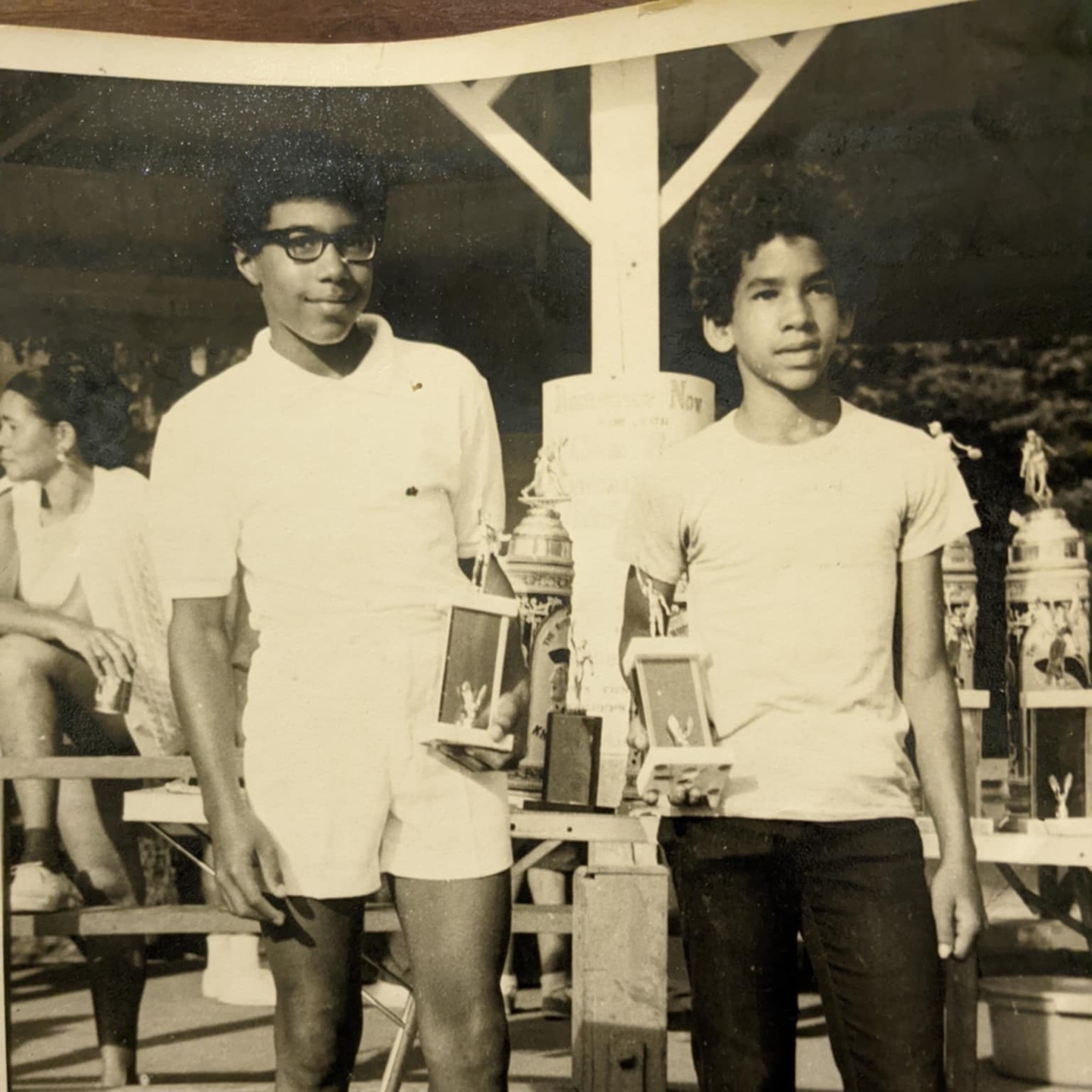
On Martha’s Vineyard, summer carries its own cadence. Families return. Traditions resume. And in Oak Bluffs, the unmistakable rhythm of tennis rallies once again signals the season’s arrival.
The Oak Bluffs Tennis Club is set to return this summer, restoring not only a beloved recreational space but a cultural landmark deeply woven into the history of Black leisure and achievement. More than a collection of courts, the club represents continuity of community, excellence, and access in a sport that has not always welcomed people of color.

Founded in 1959, the Oak Bluffs Tennis Club is one of the oldest continuously operating Black-owned tennis clubs in the United States. Located in the heart of Oak Bluffs on Martha’s Vineyard a town long associated with Black generational wealth, professional networks, and cultural refuge the club became a gathering place for Black doctors, lawyers, educators, entrepreneurs, and families who summered on the island.
In an era when segregation barred Black athletes from many private clubs and competitive circuits, Oak Bluffs provided access, dignity, and structure. It was both athletic ground and social salon. Matches were competitive, but the atmosphere was layered with fellowship. For over a century, the club has operated as a quiet symbol of Black autonomy in leisure spaces historically reserved for exclusivity.
Tennis and the Color Line
To understand Oak Bluffs’ significance, one must consider tennis itself. For much of the 20th century, the sport in America was governed by exclusionary policies. Black players were barred from many tournaments and private facilities. In response, parallel institutions formed.
The American Tennis Association, founded in 1916, created competitive pathways for Black athletes when the United States Lawn Tennis Association excluded them. These parallel circuits produced generations of skilled players long before integration became policy.
Trailblazers such as Althea Gibson, who broke the color barrier in the 1950s, and later Arthur Ashe, who became the first Black man to win Wimbledon, altered the global perception of who belonged on center court. Decades later, Serena Williams and Venus Williams would redefine dominance in the sport entirely.
But institutions like Oak Bluffs Tennis Club existed before global acclaim. They sustained the pipeline. They cultivated discipline, decorum, and competitive rigor within Black communities long before mainstream validation arrived.
The Vineyard as Cultural Ground
Martha’s Vineyard has long held a unique place in American social history. During segregation, it became one of the few coastal enclaves where Black families could purchase property, build generational homes, and summer without restriction. Oak Bluffs, in particular, evolved into a hub of Black professional life a place where culture, capital, and community converged.
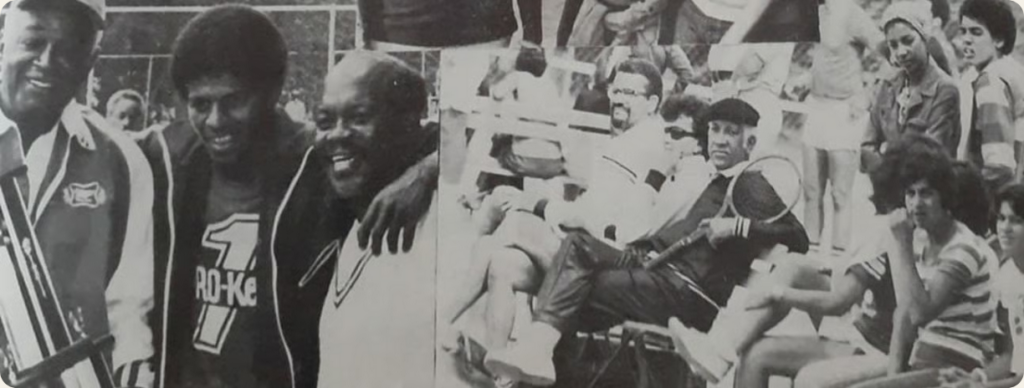
The tennis club mirrored that ecosystem. It was aspirational without being exclusionary. Children learned footwork and etiquette. Adults competed with intensity. Spectators gathered courtside, blending sport with social connection.
The club is being thoughtfully revived by Gatsby and Donella Coram pictured below. The return of the club this summer signals more than seasonal reopening. It reinforces the continuity of a 100-plus-year tradition one that predates the integration of many national tennis institutions.

Why Its Return Matters
Tennis participation among communities of color has grown in recent decades, but access disparities remain particularly in private club memberships and elite training pipelines. Historic Black tennis institutions serve as both reminder and blueprint.
Oak Bluffs Tennis Club stands as proof that Black excellence in tennis was never an anomaly; it was cultivated in parallel spaces when the mainstream excluded it.
As summer approaches and the Vineyard fills once again, the courts in Oak Bluffs will not merely host matches. They will carry forward a legacy of discipline, of social architecture, of Black presence in a sport that once tried to narrow its boundaries.
The sound of the ball against racquet will echo with more than competition. It will echo with history. To support or learn more please visit oakbluffstennisclub.com