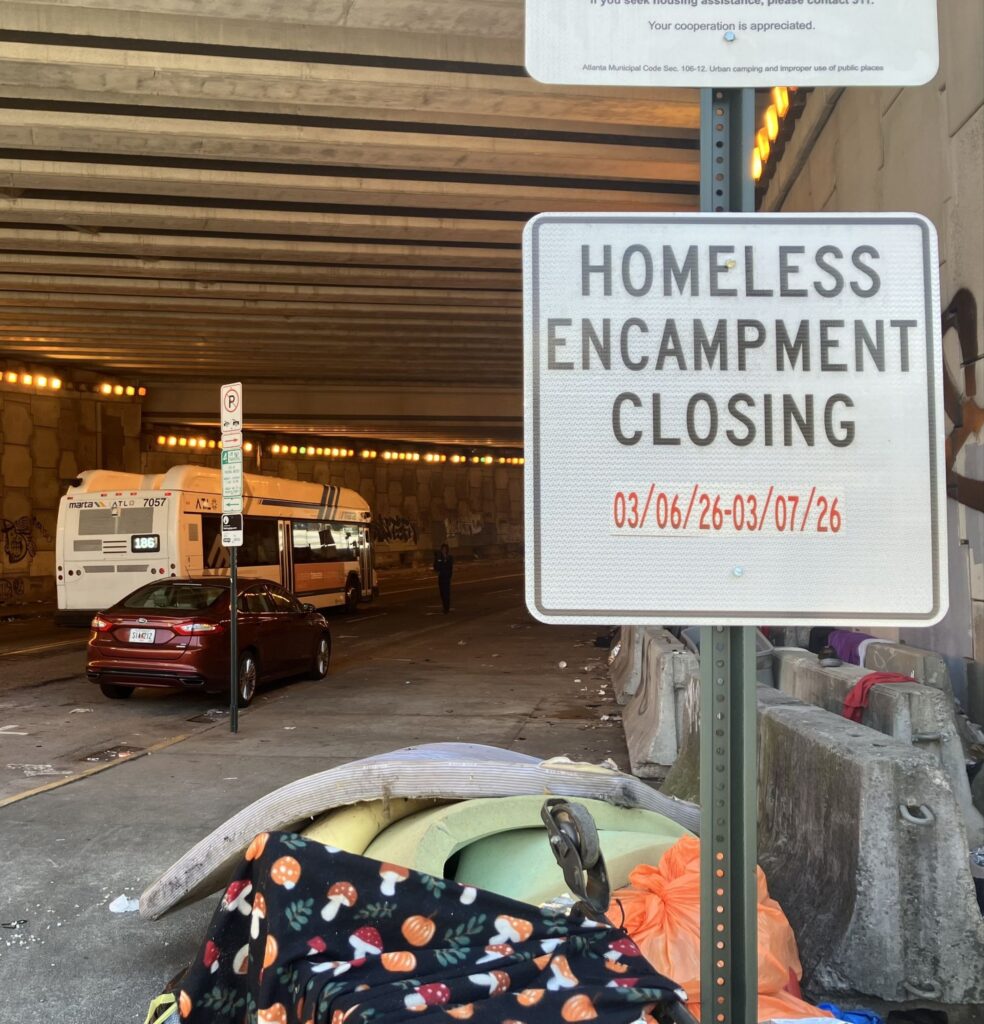
As the city prepares to welcome thousands of visitors for the upcoming global tournament, officials in Atlanta have begun closing several homeless encampments across the metro area, a move that has sparked debate among advocates, residents, and policymakers.
The closures come as the city gears up for matches connected to the 2026 FIFA World Cup, which will bring international attention and a surge of tourism to Atlanta in June. City leaders say the effort is part of a broader initiative focused on public safety, sanitation, and relocating unhoused residents to shelters and supportive services.
However, critics argue the move echoes a controversial chapter in Atlanta’s past.
Echoes of the 1996 Olympics
Advocates for the homeless say the current strategy mirrors actions taken ahead of the 1996 Summer Olympics. In the months leading up to that event, reports indicated that many unhoused residents were arrested, relocated, or transported outside the city limits in an effort to present a more polished image for international visitors.
Some individuals were reportedly bused to other areas, including nearby counties such as Clayton County and Rockdale County. The policies at the time drew national criticism and raised concerns about how cities manage homelessness when preparing for large global events.
Current Strategy and City Response
City officials in Atlanta say today’s approach differs from what occurred nearly three decades ago. According to local authorities, outreach teams are working to connect individuals living in encampments with housing assistance, shelters, mental health services, and job support programs rather than simply relocating them.
The city has emphasized that the goal is to transition people into safer environments while addressing sanitation and infrastructure concerns as preparations continue for the international tournament.
Advocates Call for Long-Term Solutions
Homelessness advocates argue that while temporary relocation or camp closures may improve the city’s appearance during major events, they do little to address the root causes of homelessness such as rising housing costs, mental health challenges, and limited access to affordable housing.
Community organizations are calling for long-term investment in supportive housing and social services rather than what they describe as short-term “event-driven” policies.
A City Under Global Spotlight
With Atlanta set to host major matches for the 2026 FIFA World Cup, the city will once again find itself on a global stage. For many residents, the situation highlights a broader question: how cities balance international prestige and economic opportunity with compassion and support for their most vulnerable communities.
As preparations continue, the conversation around homelessness, housing policy, and urban development is expected to remain a central issue in the months leading up to the tournament.