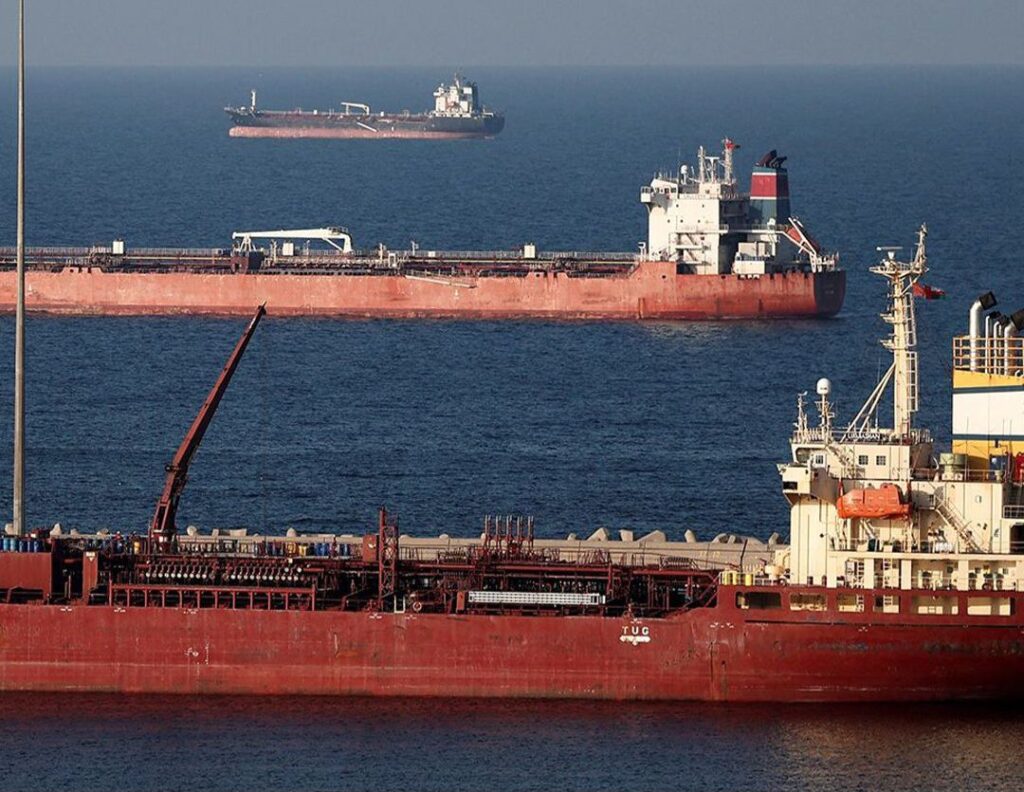
Iran has reportedly begun deploying naval mines in the strategically critical Strait of Hormuz, a move that could significantly disrupt global energy supplies and intensify tensions across the Middle East. According to individuals familiar with U.S. intelligence assessments, the activity signals a potential effort by Tehran to threaten or restrict one of the world’s most vital shipping routes.
The narrow waterway, located between Iran and Oman, connects the Persian Gulf to the Gulf of Oman and the Arabian Sea. It serves as the primary passage for a large portion of the world’s oil exports, with roughly one-fifth of global crude oil shipments traveling through the strait each day.
A Critical Chokepoint for Global Oil
Because of its geographic importance, the Strait of Hormuz is widely regarded as the most important energy chokepoint in the world. Major oil producers in the Persian Gulf—including Saudi Arabia, United Arab Emirates, Kuwait, and Iraq—depend on the route to transport oil to markets in Asia, Europe, and North America.
If the waterway were blocked or even partially disrupted, millions of barrels of crude oil per day could be delayed or prevented from reaching global markets, potentially triggering sharp increases in energy prices and widespread economic consequences.
Naval Mines Raise Shipping Risks
Naval mines are considered one of the most effective tools for disrupting maritime trade because they can be deployed quickly and pose a serious threat to commercial vessels and military ships alike. Even a limited number of mines can force shipping companies to reroute tankers, suspend operations, or wait for military clearance.
Energy analysts warn that the mere threat of mines in the Strait of Hormuz can dramatically increase shipping insurance costs, slow tanker traffic, and shake global oil markets.
Rising Military and Political Tensions
The reports come amid escalating tensions between Iran and Western powers following recent military actions in the region. The United States and its allies maintain a significant naval presence in the Persian Gulf to ensure freedom of navigation and protect commercial shipping routes.
Officials are closely monitoring the situation as naval forces in the region work to detect and neutralize potential threats to maritime traffic. Any confirmed mining activity could prompt military responses aimed at keeping the strait open.
Global Markets Watching Closely
Energy markets have historically reacted sharply to instability in the Strait of Hormuz. Even rumors of disruptions have triggered spikes in oil prices, as traders factor in the risk of supply shortages.
If tensions continue to escalate or if shipping traffic is interrupted, analysts warn the world could face one of the most significant energy disruptions in recent years.
For now, global governments, energy companies, and shipping operators are watching developments closely, aware that the stability of one narrow stretch of water could have far-reaching consequences for the global economy.