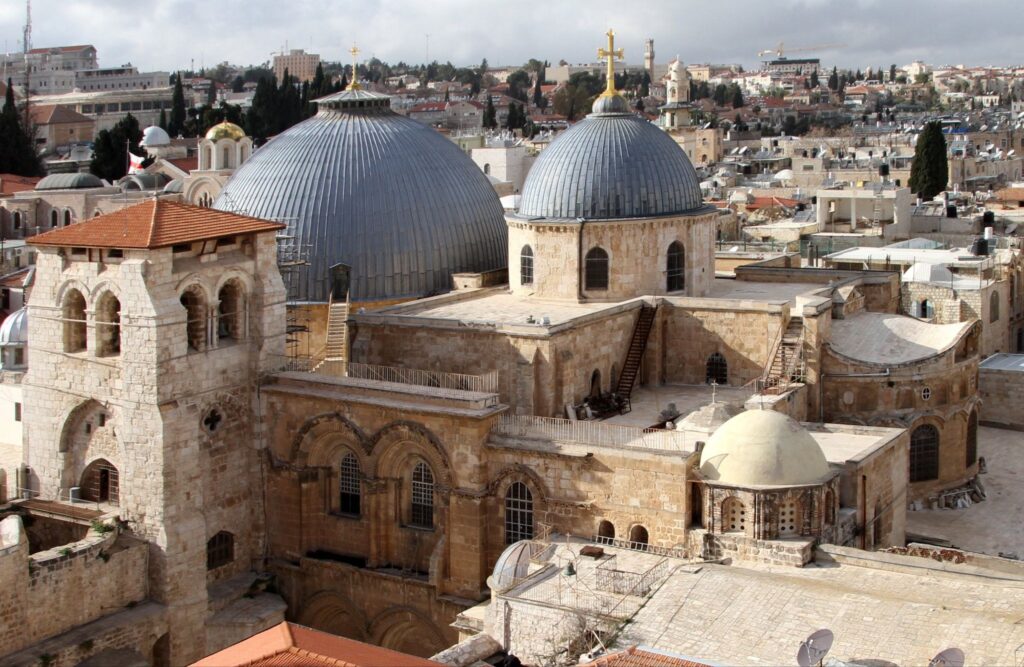
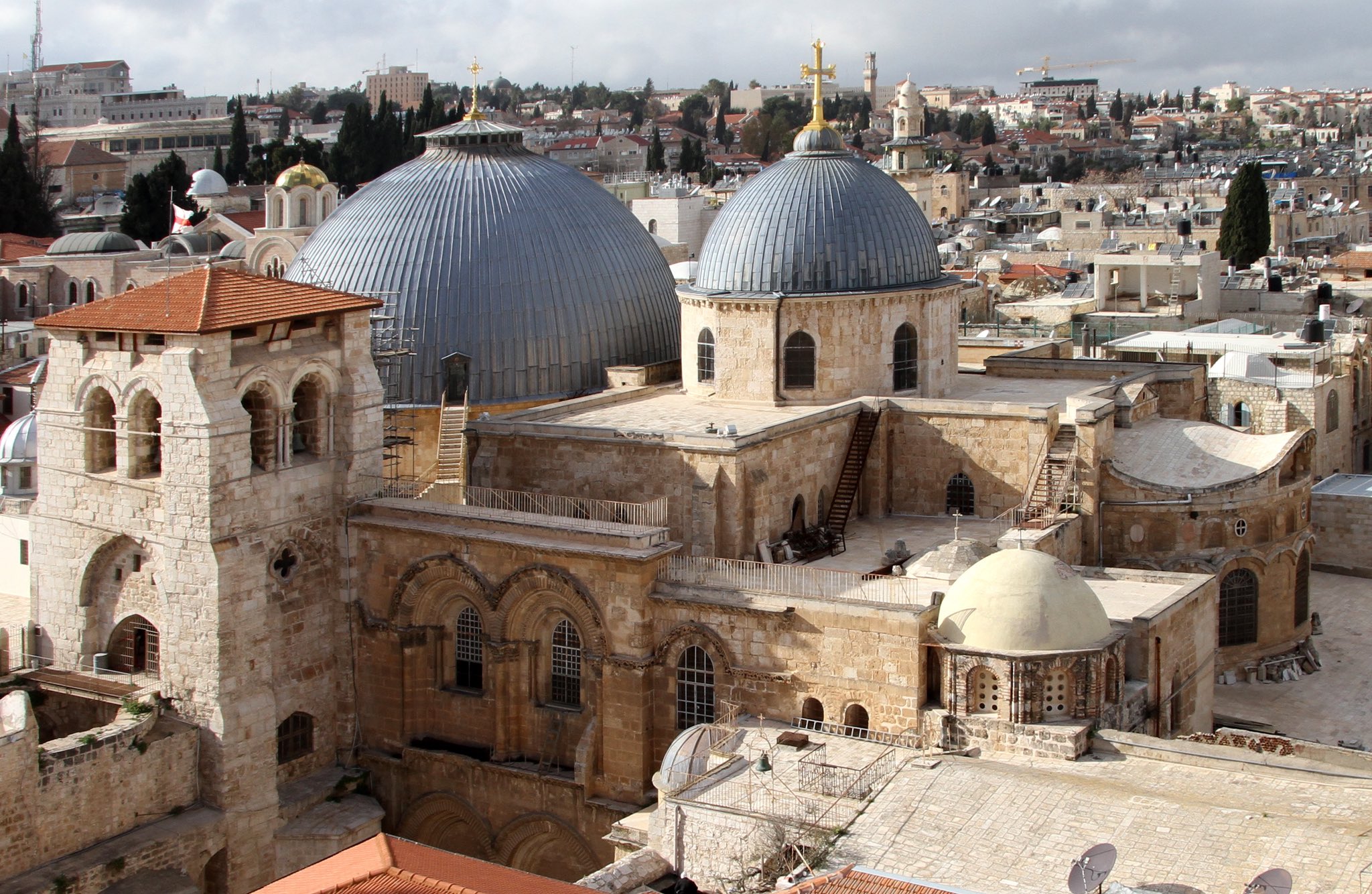
In a moment that has sent shockwaves across the Christian world, access to one of the faith’s holiest sites—the Church of the Holy Sepulchre—has been restricted amid escalating tensions tied to the ongoing conflict between Israel and Iran.
A Sacred Silence During a Sacred Season
Holy Week, a time that typically draws thousands of pilgrims to Jerusalem, now unfolds under extraordinary circumstances. Security concerns have led to tightened controls across the Old City, limiting entry to key religious landmarks and reshaping centuries-old traditions.
At the center of this disruption is the Church of the Holy Sepulchre, revered as the site of Jesus Christ’s crucifixion and resurrection. For many, the restrictions represent more than just logistical changes—they signal a deeply emotional interruption to spiritual observance during one of Christianity’s most significant periods.
The Impact on Tradition
Among the most anticipated events of Holy Week is the Holy Fire ceremony, a centuries-old ritual symbolizing the resurrection. This year, uncertainty looms over its full public celebration, as access remains limited and safety takes priority.
Pilgrims who would normally travel across continents to witness the ceremony are now left watching from afar, while local worshippers face unprecedented limitations on participation.
Security Over Ceremony
Authorities in Israel have emphasized that the measures are strictly precautionary, aimed at safeguarding lives amid heightened regional instability. With missile threats and security alerts shaping daily life, large public gatherings—especially at globally significant sites—pose heightened risks.
The broader Old City, home to sacred spaces for multiple faiths, has also seen restricted access, reflecting the wider impact of the conflict beyond political and military spheres.
A City Caught Between Faith and Fear
For Jerusalem, where religion and history are deeply intertwined, the moment is both symbolic and sobering. Streets that would normally echo with prayer, song, and procession are quieter, marked instead by heightened security and uncertainty.
Yet even in absence, faith persists. Across the globe, millions continue to observe Holy Week—reminded that spirituality is not confined to place, but carried through belief and community.
Looking Ahead
While the restrictions are temporary, their emotional and cultural impact is profound. Religious leaders and officials continue to monitor the situation closely, with hopes that traditions can fully resume once stability returns.
For now, this Holy Week stands as a powerful reminder: even in the world’s most sacred spaces, global conflict can reshape the rhythm of faith.