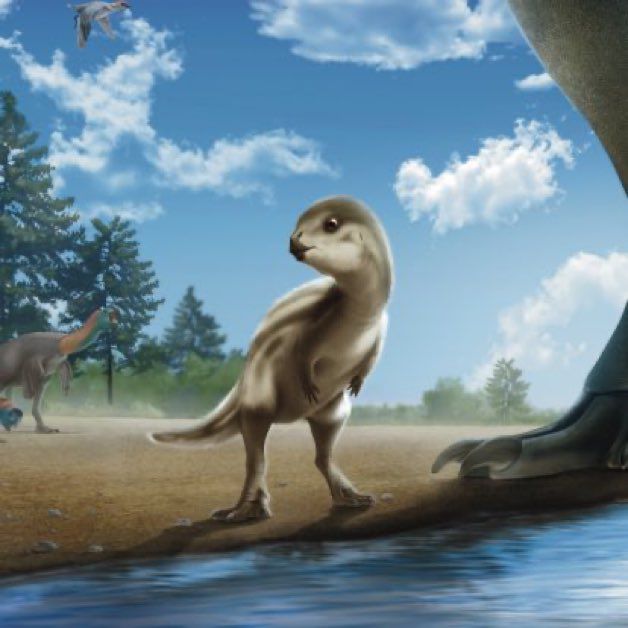
Scientists have announced the discovery of a new dinosaur species named Doolysaurus huhmini, unearthed in South Korea—a finding that is generating excitement in the world of paleontology.
A Unique Discovery
The newly identified species is believed to have lived millions of years ago during the age of dinosaurs. Fossil evidence suggests that Doolysaurus huhmini may belong to a group of plant-eating dinosaurs, though researchers are still studying its exact classification and characteristics.
The name “Doolysaurus” is thought to be inspired by “Dooly,” a beloved South Korean cartoon character, reflecting a cultural connection to the country where the fossil was found.
What Makes It Special
Preliminary analysis indicates that the dinosaur may have had:
• Distinct skeletal features setting it apart from known species
• Adaptations suited to its local environment
• Clues that could help scientists better understand dinosaur evolution in East Asia
South Korea is not traditionally known for a large number of dinosaur discoveries, making this find particularly significant.
Scientific Importance
The discovery of Doolysaurus huhmini adds to the growing body of evidence that dinosaurs were more diverse and widespread than previously thought. It may also provide insights into:
• Migration patterns of dinosaurs across ancient continents
• Regional ecosystems during prehistoric times
• Evolutionary links between different species
What’s Next
Researchers will continue to analyze the fossils, conduct comparisons with other species, and publish detailed findings in scientific journals. Further excavations in the area could reveal additional fossils, helping paint a clearer picture of the dinosaur’s habitat and behavior.
For now, the discovery of Doolysaurus huhmini stands as a reminder that Earth still holds many prehistoric secrets waiting to be uncovered.