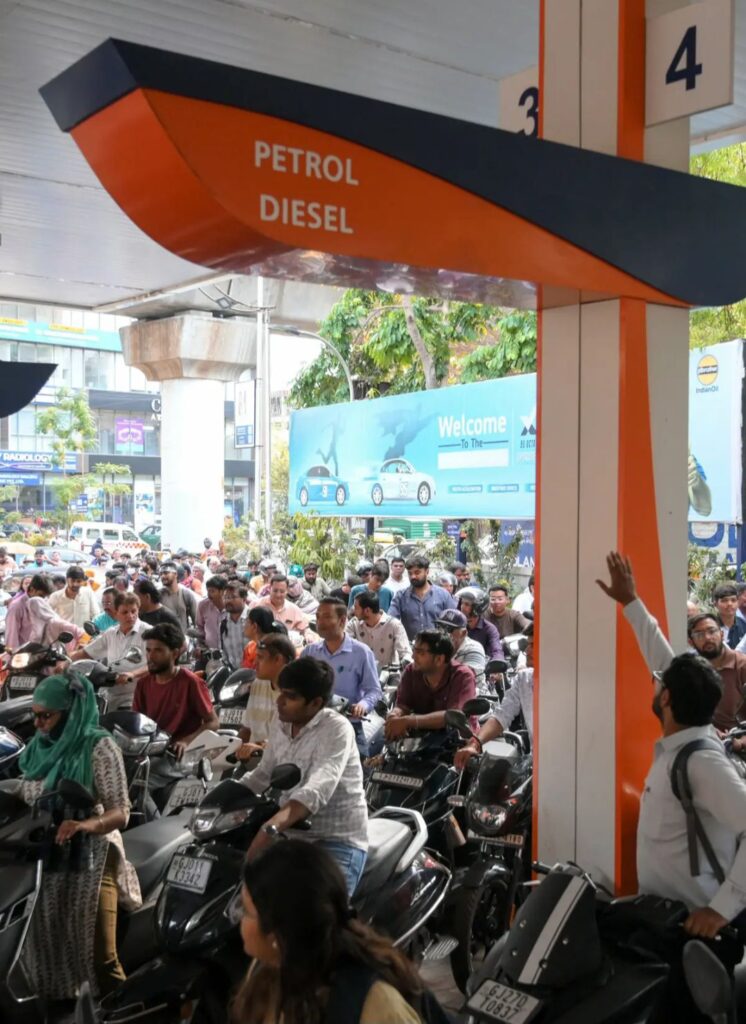
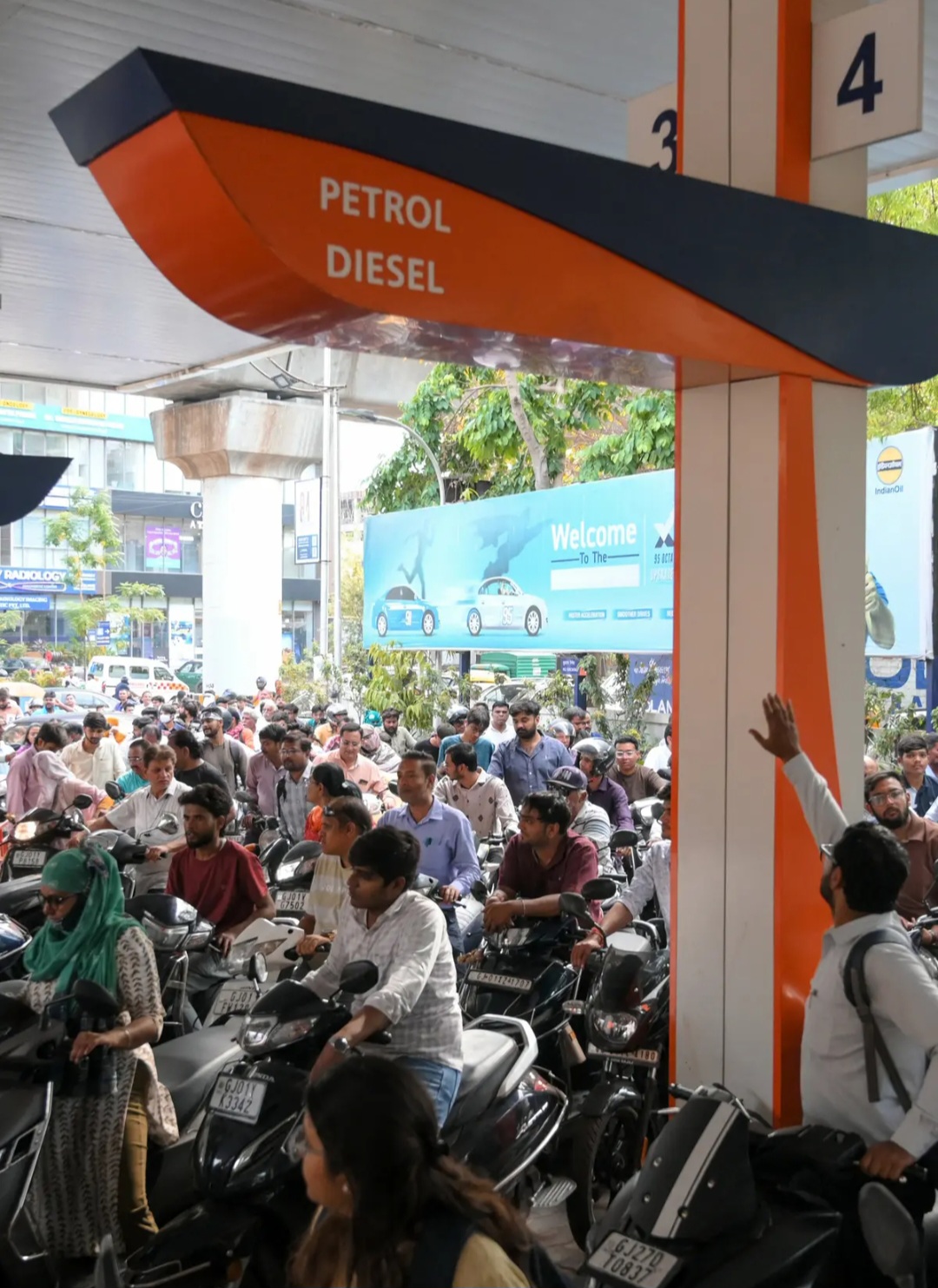
Currencies across parts of Asia are facing mounting strain as governments scramble to secure energy supplies—most of which are priced in U.S. dollars—amid volatile global markets.
The Core Issue: Dollar Dominance
Global oil and gas transactions are largely conducted in U.S. dollars, meaning countries must hold or acquire dollars to pay for imports. When:
• The dollar strengthens
• Or energy prices rise
…it creates a double burden for nations with weaker local currencies.
Why Currencies Are “Suffocating”
Several factors are intensifying the pressure:
• Rising oil prices increase import bills
• Weaker local currencies make dollar purchases more expensive
• Shrinking foreign reserves as governments spend more to secure fuel
• Capital outflows as investors move money into stronger dollar assets
This combination can lead to rapid currency depreciation, inflation, and economic instability.
Countries Most Affected
Energy-importing nations in Asia—particularly those heavily reliant on foreign oil and gas—are feeling the impact the most. Governments are now:
• Tapping into foreign exchange reserves
• Seeking emergency supply deals
• Exploring alternative payment arrangements
The Bigger Picture
This situation highlights a long-standing global reality: the dominance of the U.S. dollar in energy markets gives it enormous influence over other economies.
Until alternative systems gain traction, many countries will remain vulnerable to currency pressure whenever energy prices surge.
Bottom Line
Asian currencies aren’t just reacting to market forces—they’re being squeezed by a system where energy security and currency stability are tightly linked to the strength of the U.S. dollar.