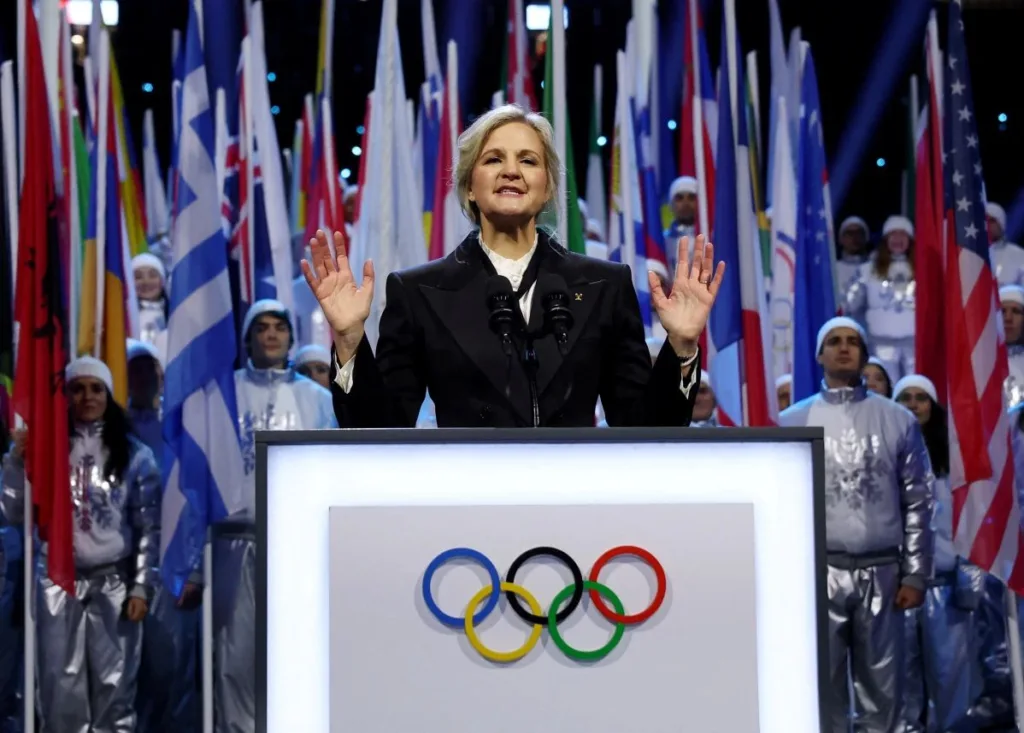
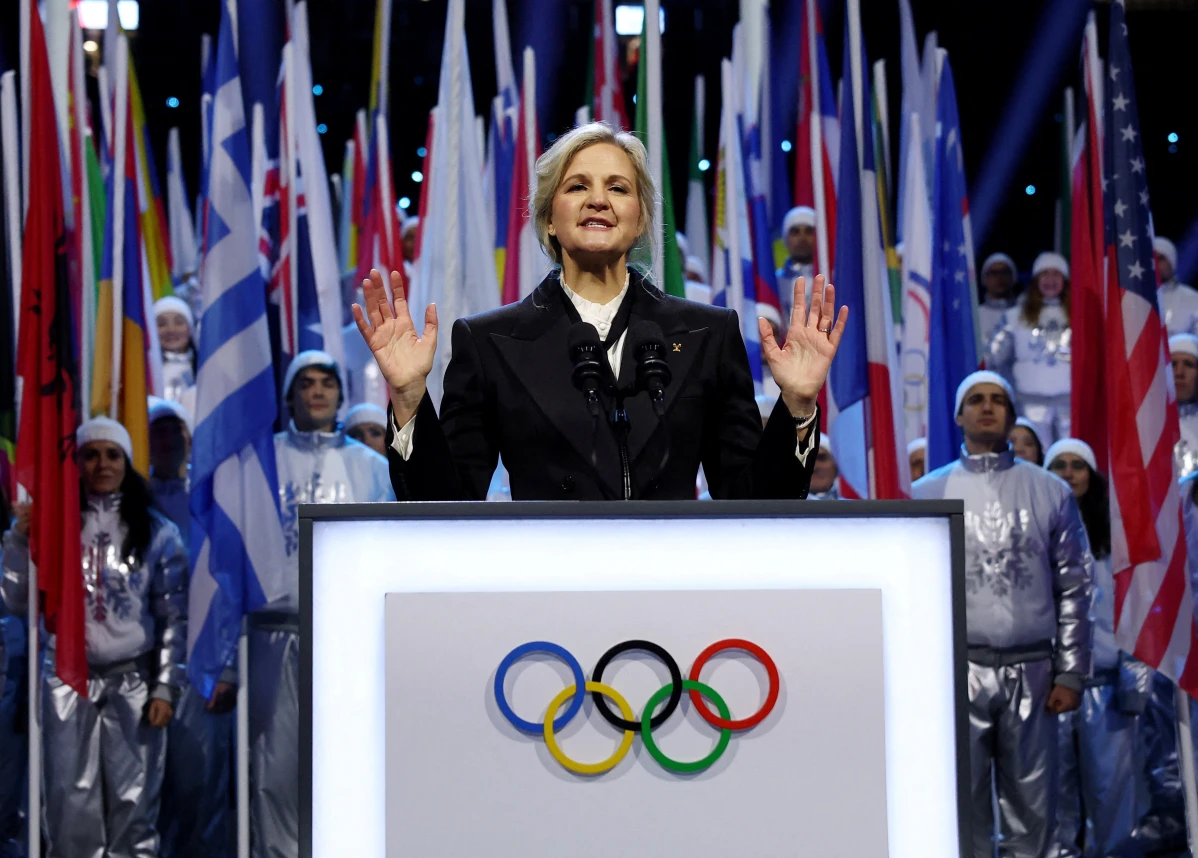
The International Olympic Committee (IOC) has introduced a sweeping new policy redefining eligibility for women’s events at the Olympic Games—one that will exclude transgender women from competing in the female category at the highest level of international sport.
A Defining Shift in Olympic History
The decision marks one of the most significant policy changes in modern Olympic history, signaling a move away from prior frameworks that allowed individual sports federations greater autonomy in determining eligibility rules.
Instead, the IOC is now establishing a standardized global approach, aimed at creating uniformity across all Olympic competitions.
The Rationale Behind the Decision
According to the IOC, the updated policy is rooted in three central priorities:
• Competitive fairness
• Athlete safety
• Integrity of women’s sport
Officials argue that the change is necessary to address long-standing debates physiological advantages and to ensure a level playing field in elite competition.
A Deeply Divisive Issue
The announcement has immediately sparked worldwide reaction, highlighting the complexity of balancing inclusion with competition.
Supporters of the policy say it:
• Protects opportunities for cisgender female athletes
• Reinforces fairness in physically competitive events
Critics, however, contend that it:
• Excludes transgender athletes from one of the world’s biggest stages
• Raises concerns about human rights, inclusion, and scientific interpretation
• Could disproportionately impact athletes with differences in sex development (DSD)
Global Implications
The IOC’s influence extends far beyond the Olympics. This policy could:
• Shape rules across international sports federations
• Influence youth and amateur sports policies worldwide
• Intensify legal and ethical debates across multiple countries
Looking Ahead to 2028
With the Los Angeles 2028 Olympics on the horizon, this policy sets the stage for ongoing legal challenges, athlete advocacy, and continued public discourse.
The Bigger Conversation
At its core, this decision underscores a broader global question:
How should modern sports balance identity, biology, and fairness in competition?
There is no simple answer—and the IOC’s ruling ensures that this conversation will remain at the forefront of global sports culture for years to come.
Bottom Line
The International Olympic Committee has drawn a firm line that will reshape Olympic competition—one that is likely to define the future of women’s sports and inclusion on the world stage.