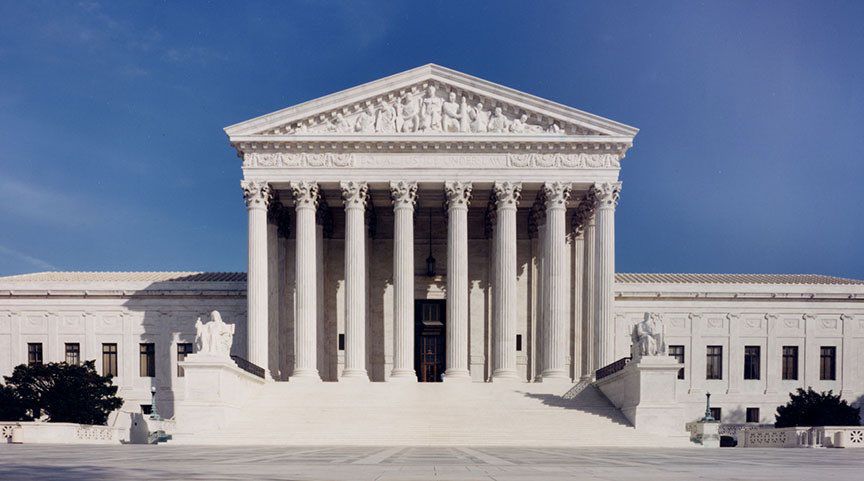
In a landmark and controversial ruling, the U.S. Supreme Court has struck down Colorado’s law banning conversion therapy for minors, in a decisive 8-1 vote. The ruling overturns state-level protections that prohibited licensed therapists from attempting to change the sexual orientation or gender identity of minors.
The Decision
The Court’s majority held that the state law violated constitutional protections related to parental rights and free speech, arguing that it restricted licensed therapists from engaging in conversations with their minor clients, even if those conversations reflected parental guidance or religious beliefs. Chief Justice John Roberts and seven other justices sided with this view, while Justice Sonia Sotomayor issued the sole dissent, emphasizing the harm that conversion therapy can cause to LGBTQ+ youth.
Impact and Reactions
Supporters of the Colorado ban — including LGBTQ+ advocacy groups and mental health organizations — expressed deep concern over the ruling. Studies consistently show that conversion therapy can have serious psychological effects, including depression, anxiety, and suicidal ideation, particularly among minors.
“This decision is a setback for the safety and wellbeing of LGBTQ+ youth,” said a spokesperson for The Trevor Project, a leading LGBTQ+ youth advocacy organization. “States need tools to protect young people from practices that are widely condemned by medical and psychological professionals.”
Conversely, opponents of the law hailed the decision as a reaffirmation of parental rights and free speech, arguing that it allows families to seek counseling that aligns with their values and beliefs.
National Implications
With this ruling, Colorado joins other states where similar bans on conversion therapy for minors could face legal challenges. Advocates expect a ripple effect across the country, with debates likely intensifying over how to balance parental rights, religious freedoms, and protections for vulnerable youth.
Next Steps
While the Supreme Court’s decision is final, the ruling has sparked calls for alternative protective measures, including public education campaigns, mental health support, and voluntary professional guidelines discouraging harmful therapy practices. Lawmakers and advocacy groups on both sides of the debate are expected to continue fighting for their positions in the public sphere and in state legislatures.