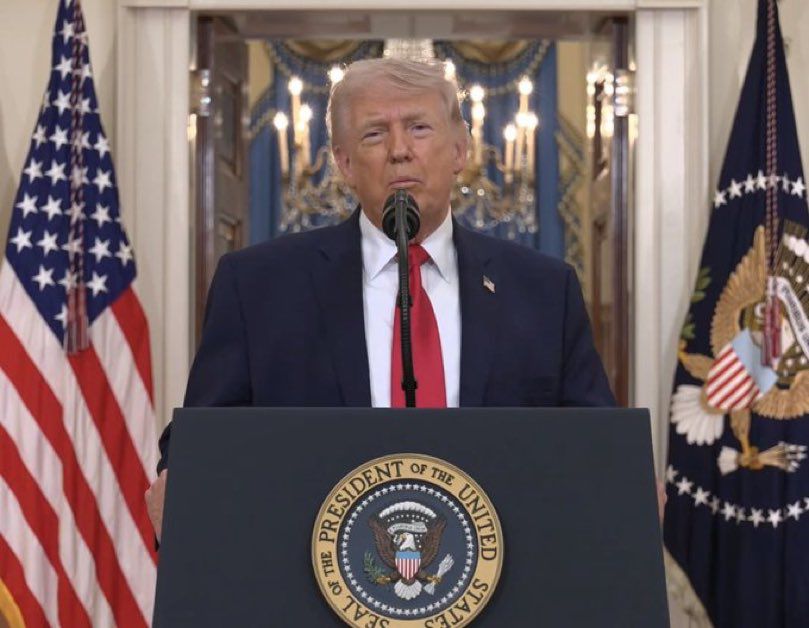
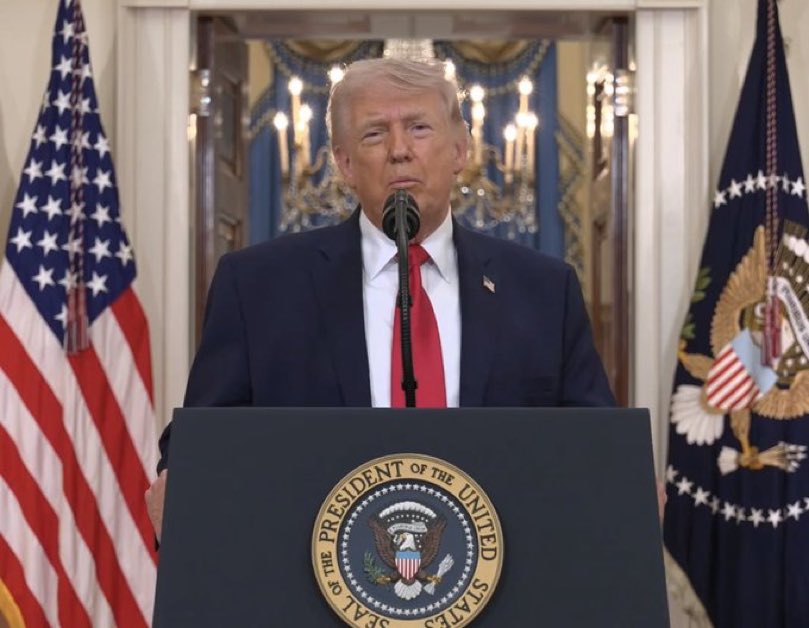
Tensions on the global stage intensified this week after Donald Trump delivered one of his most forceful warnings yet toward Iran, suggesting that the United States is prepared to take aggressive military action in the coming weeks.
Speaking with a tone that blended urgency and resolve, Trump indicated that the U.S. could respond “extremely hard,” signaling a potential turning point in an already volatile geopolitical landscape.
A Moment of Rising Stakes
The remarks arrive amid escalating tensions between Washington and Tehran, with ongoing disputes tied to:
• Regional military activity
• Nuclear capabilities and compliance
• Strategic control of key trade routes in the Middle East
While rhetoric between the two nations has long been strained, Trump’s latest comments stand out for their intensity and immediacy, pointing to a possible shift from pressure to action.
Global Reactions and Concerns
International observers have reacted swiftly, warning that such language could:
• Heighten fears of a broader regional conflict
• Disrupt global energy markets, particularly oil supply chains
• Strain diplomatic relationships with U.S. allies seeking de-escalation
Leaders across Europe and Asia are reportedly urging restraint, emphasizing the importance of dialogue over confrontation.
What Comes Next
Despite the strong rhetoric, several paths remain possible:
• Military escalation, with targeted strikes or broader operations
• Renewed diplomatic negotiations, potentially behind closed doors
• A strategic pause as both sides assess risks and global reaction
Defense analysts note that the coming weeks will be critical in determining whether this moment leads to conflict or recalibration.
Bottom Line
As Donald Trump signals a willingness to escalate pressure on Iran, the world watches closely. In an era where words can move markets and mobilize militaries, this latest warning underscores just how fragile—and consequential—the current geopolitical balance has become.