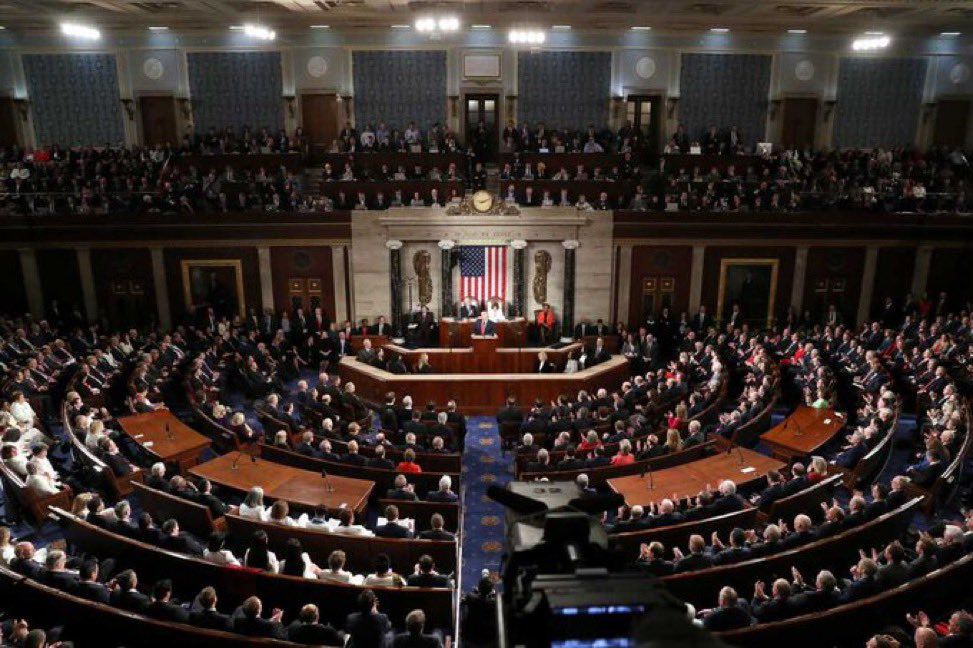
A growing coalition on Capitol Hill is intensifying calls for the removal of Donald Trump, with 24 members of Congress and at least 50 House Democrats now publicly backing action through either impeachment or the 25th Amendment. The development marks one of the most coordinated efforts yet by lawmakers to challenge a sitting president’s ability to remain in office.
The Two Paths to Removal
1. Impeachment Proceedings
Under the Constitution, impeachment begins in the House of Representatives, where a simple majority vote can approve articles of impeachment. If passed, the process moves to the Senate, where a two-thirds majority is required to convict and remove the president from office.
Supporters of this route argue it provides:
• A transparent, legal process
• Public hearings and evidence review
• A formal mechanism to hold a president accountable
However, given the current political landscape, securing enough bipartisan support in the Senate remains a major hurdle.
2. Invoking the 25th Amendment
Alternatively, some lawmakers are urging the use of the 25th Amendment, which allows for a president to be declared unfit to serve.
This process would require:
• The vice president and a majority of Cabinet officials to formally declare the president unable to discharge duties
• If contested, a two-thirds vote in both the House and Senate to uphold the removal
While faster in theory, this path is rarely used and depends heavily on cooperation from within the executive branch itself.
Political Climate Reaches a Boiling Point
The calls are emerging from a deeply divided Washington, D.C., where tensions between Democrats and Republicans continue to escalate.
• Democratic lawmakers argue the situation has reached a level that demands urgent constitutional action
• Republican leadership has largely dismissed the push, framing it as politically motivated
• Moderate voices in Congress remain cautious, aware of the historic weight and consequences of either move
The debate is no longer confined to Congress—it has spilled into public discourse, dominating media coverage and fueling nationwide conversations about presidential accountability
Broader National Implications
Beyond Capitol Hill, the situation carries significant implications:
• Government stability: Markets, global allies, and federal agencies closely monitor political uncertainty
• Public trust: Confidence in institutions may be strengthened—or weakened—depending on how events unfold
• Election dynamics: The controversy could reshape voter sentiment and campaign strategies nationwide
Bottom Line
The expanding push to remove Donald Trump represents a defining moment in American politics—one that tests the limits of constitutional power, partisan unity, and the nation’s political resilience.