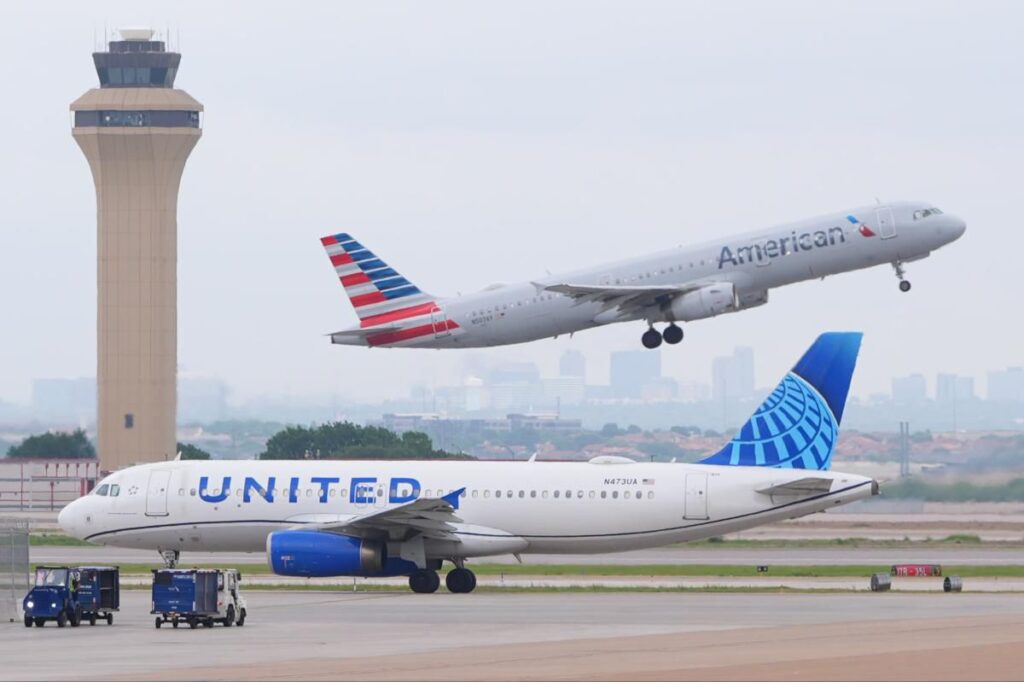
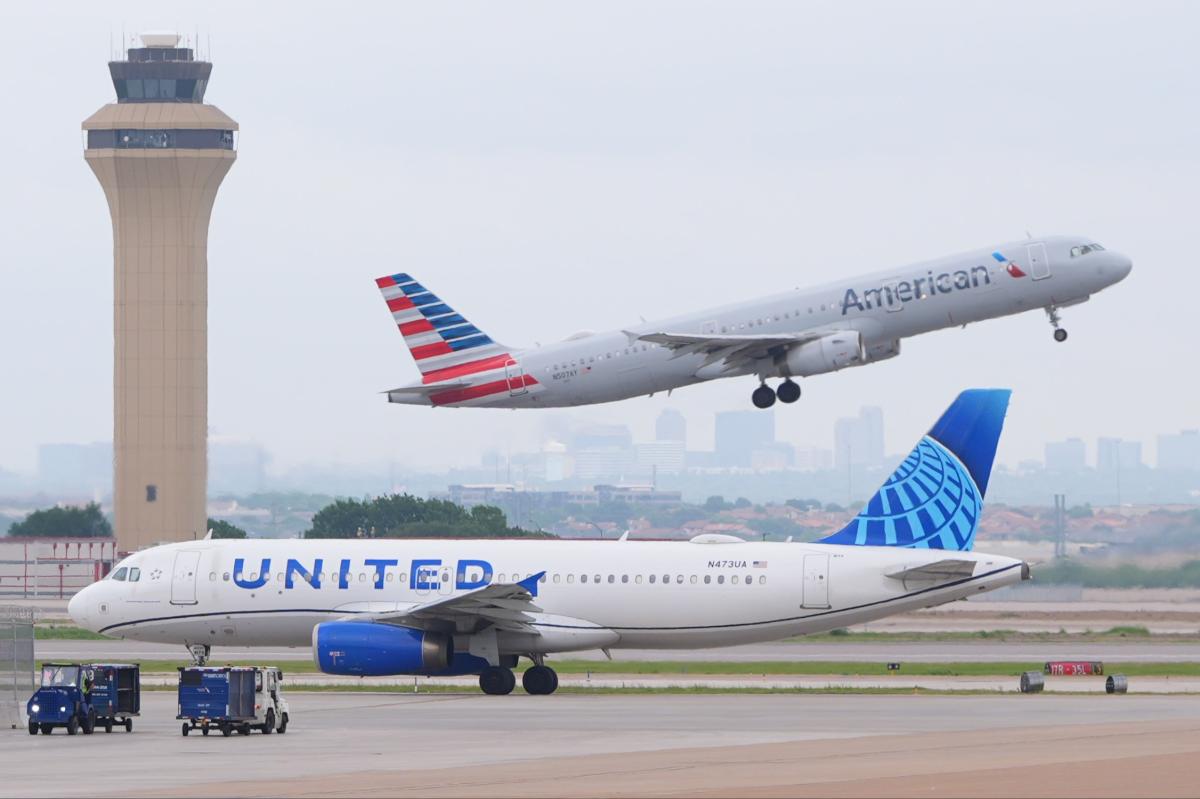
American Airlines has reportedly rejected merger discussions with rival carrier United Airlines, shutting down what could have been one of the most significant airline consolidations in recent history.
What Happened
• Preliminary or informal talks about a potential merger were declined by American Airlines
• The decision halts any immediate path toward combining the two aviation giants
• No formal merger agreement was reached
Why It Matters
A merger between American Airlines and United Airlines would have:
• Created an industry-dominating airline powerhouse
• Likely triggered intense antitrust scrutiny in the U.S.
• Reshaped routes, pricing, and competition across the airline industry
Possible Reasons for Rejection
While details remain limited, factors may include:
• Regulatory concerns over market concentration
• Strategic differences between the companies
• Financial risks tied to large-scale mergers
Industry Context
The airline industry has seen:
• Previous mergers like Delta–Northwest and United–Continental
• Increasing pressure from fuel costs, labor expenses, and competition
• A shift toward partnerships and alliances rather than full mergers
Bottom Line
By rejecting merger talks with United Airlines, American Airlines is signaling a preference to remain independent—for now—leaving the current balance of power in the airline industry unchanged.