
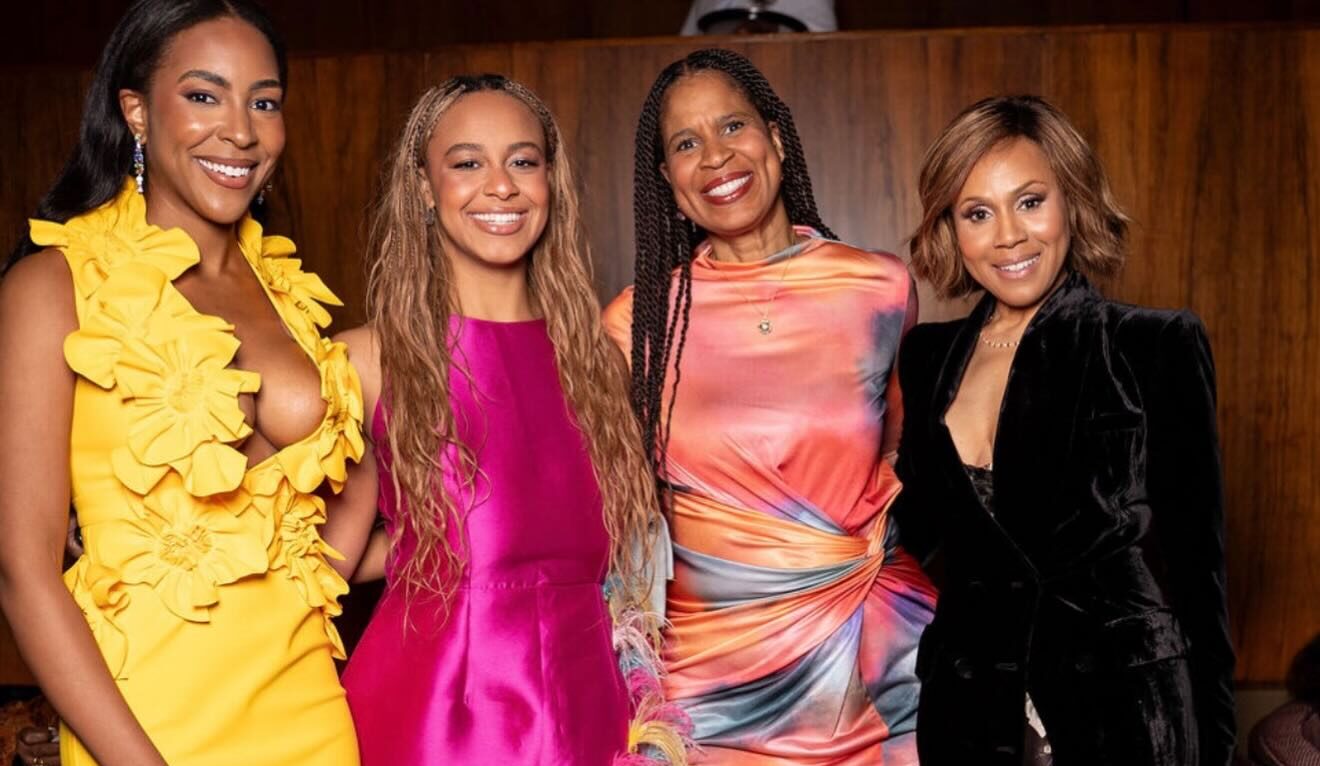
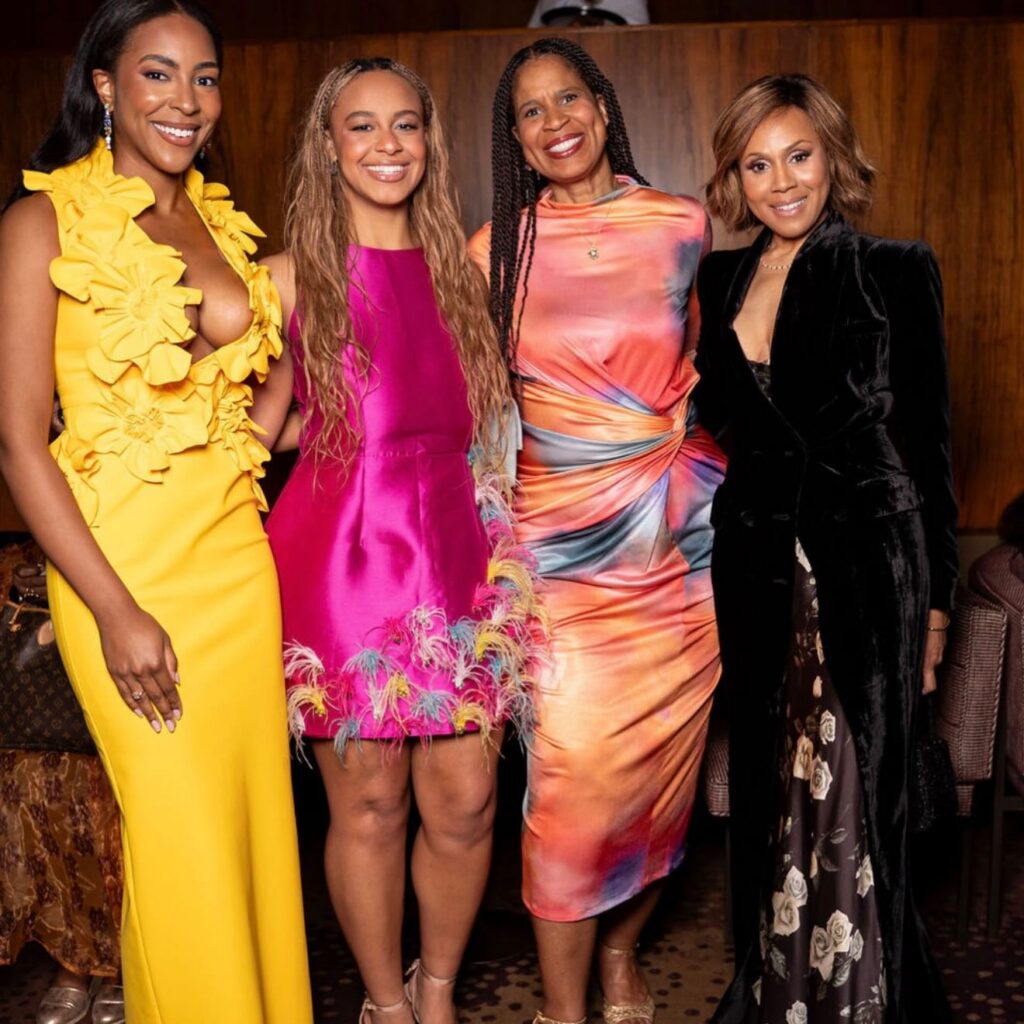
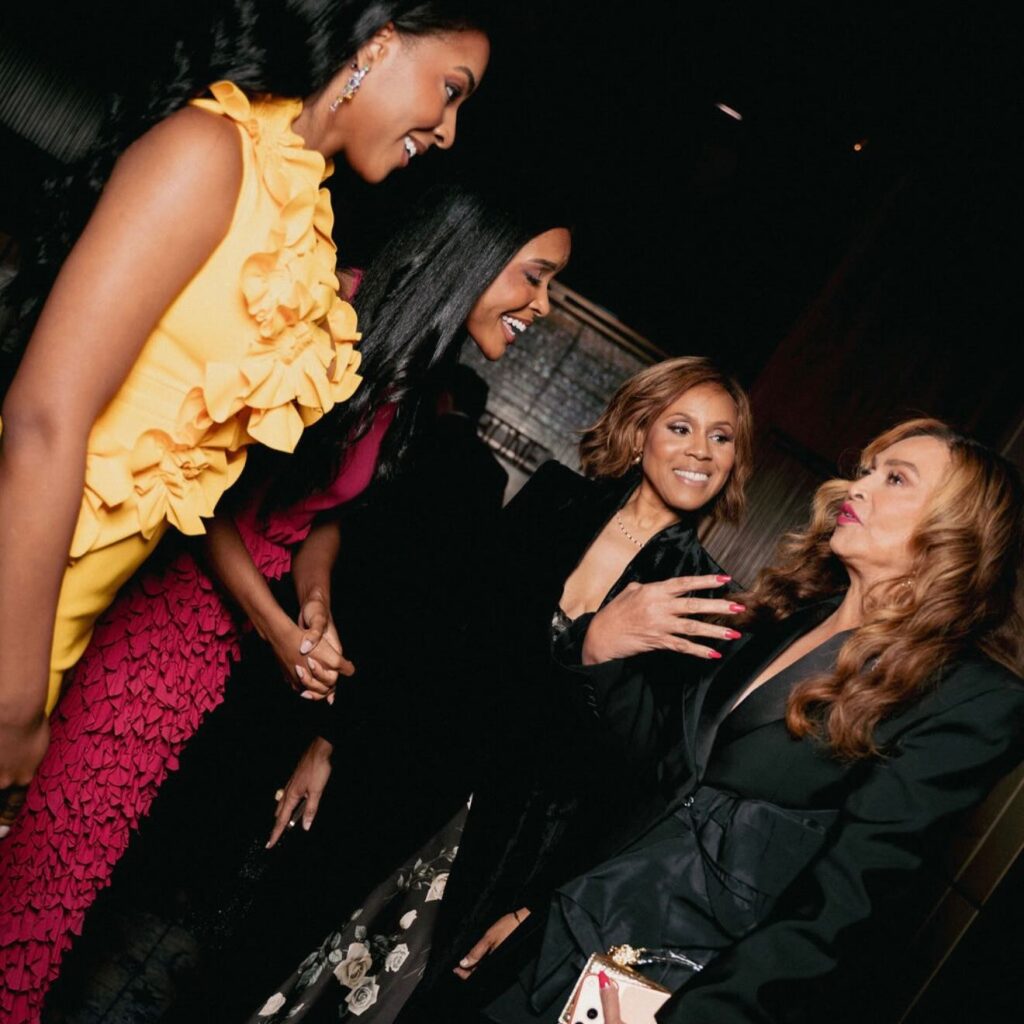
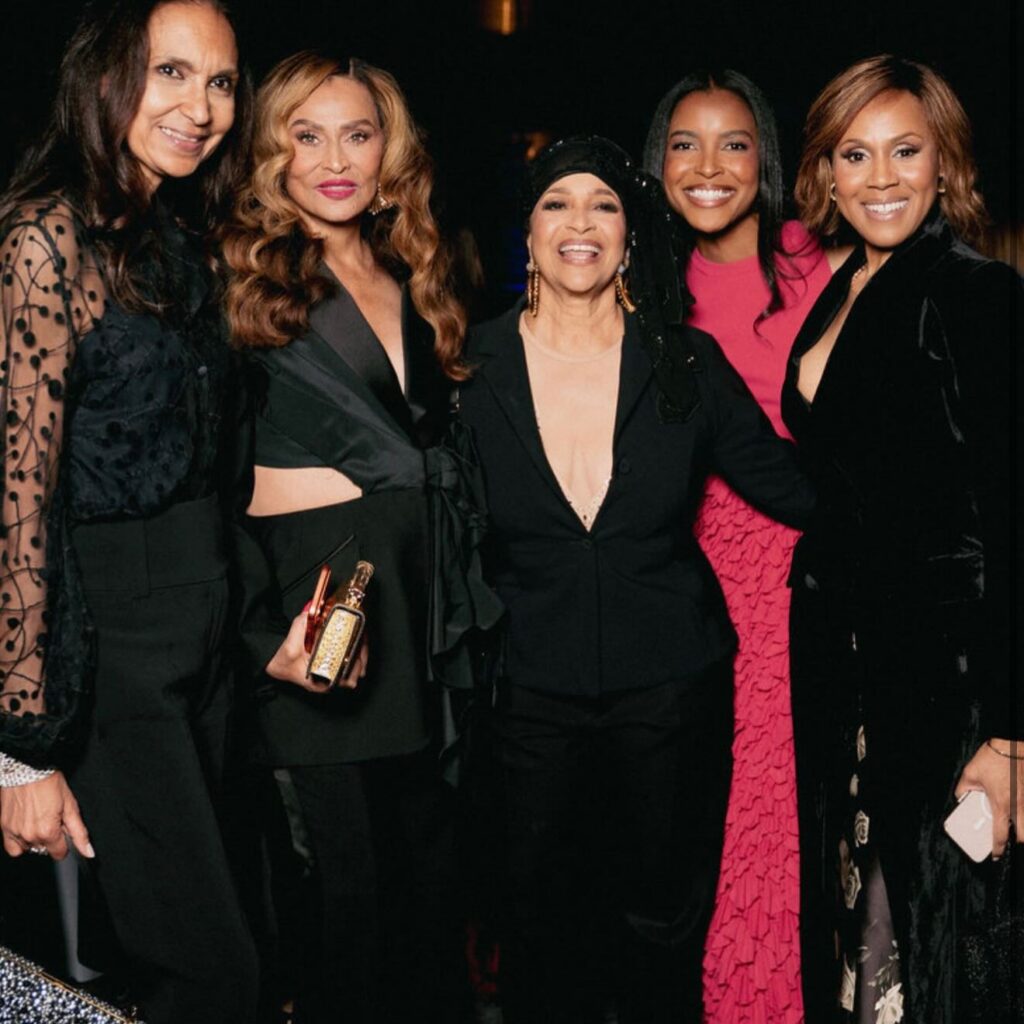
Artists, philanthropists, entertainers, and cultural leaders gathered in New York City to celebrate the extraordinary legacy of Misty Copeland while supporting the next generation of dancers through the Misty Copeland Foundation.
Held on April 29, 2026, at The Pool + The Grill in Manhattan, the evening served as the inaugural Spring Benefit for the foundation, making this the very first edition of what organizers hope will become an annual signature fundraising event supporting arts education and accessibility in underserved communities.
The benefit arrives during a particularly significant chapter in Copeland’s career. After an extraordinary 25-year tenure with American Ballet Theatre, Copeland is preparing for her farewell season while simultaneously expanding her philanthropic and mentorship work through the foundation she established in 2021.
For many, Misty Copeland represents far more than ballet. In 2015, she became the first African American woman in the 75-year history of American Ballet Theatre to be promoted to principal dancer, a groundbreaking moment that shifted conversations around representation, equity, and inclusion within classical dance. Her rise to prominence was especially remarkable considering she did not begin formal ballet training until the age of 13, an age many professionals in the industry would already consider late.
Over the years, Copeland evolved into a global cultural figure whose influence extends beyond dance. Through books, documentaries, public speaking, film appearances, fashion collaborations, and advocacy work, she has consistently used her platform to challenge longstanding barriers within the arts while creating pathways for young dancers from historically underrepresented communities.
That mission remains central to the work of the Misty Copeland Foundation. The organization focuses on making ballet affordable, accessible, and welcoming through programs based in Harlem and the Bronx. Its flagship initiatives include BE BOLD, an afterschool ballet program for children, BE BOLDNext Steps, which helps students continue formal dance training through partnerships with institutions like Dance Theatre of Harlem and The Ailey School, and BE BOLDER, a wellness-centered movement program designed for adults over 50.
The inaugural benefit itself reflected the foundation’s blend of artistry, culture, and philanthropy. According to organizers, the evening featured live music, dancing, specialty cocktails, and culinary experiences from some of New York’s celebrated restaurants, all designed to raise funds for the foundation’s expanding programs.
An impressive roster of honorary co-chairs and supporters also underscored Copeland’s influence across entertainment, fashion, philanthropy, and the arts. Those attached to the event included legendary choreographer Debbie Allen, acclaimed artistic director Bill T. Jones, Emmy Award-winning actress Sheryl Lee Ralph, music icon Nile Rodgers, and actress and producer Tracee Ellis Ross.
The event also attracted major philanthropic and cultural supporters including Sarah Arison, Clara Wu Tsai, and leadership connected to the New York Liberty, highlighting the increasingly interdisciplinary support surrounding arts access and youth mentorship initiatives.
Beyond the glamour and celebration, the evening carried deeper significance for many attendees. Copeland’s story has long symbolized perseverance and transformation within an industry historically criticized for its lack of diversity. Her career altered perceptions of who belongs within elite ballet spaces, and her foundation now seeks to institutionalize that progress by creating sustainable opportunities for future generations.
The Spring Benefit also served as part of the foundation’s broader “Celebrating Misty Campaign,” a yearlong $1 million fundraising initiative running from September 2025 through September 2026. The campaign honors Copeland’s farewell from American Ballet Theatre while investing in long-term educational and community programming.
In many ways, the inaugural Spring Benefit represented both an ending and a beginning. While the event celebrated Copeland’s historic ballet career, it also signaled the next phase of her influence as a philanthropist, mentor, and advocate for greater equity within the arts.
As conversations surrounding accessibility and representation continue across the cultural sector, the Misty Copeland Foundation appears positioned to become an increasingly important force in arts education. If the energy and support surrounding this inaugural benefit are any indication, the foundation’s impact may ultimately extend far beyond the ballet stage itself.
For more information on the foundation and future initiatives, visit the Misty Copeland Foundation official website.