
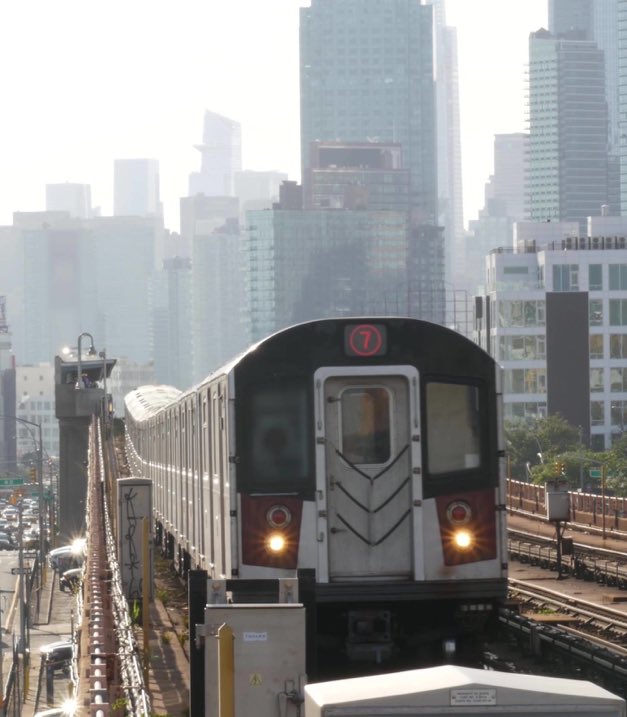
Commuters across faced widespread disruption after the — the largest commuter rail system in North America — reportedly shut down completely amid a major worker strike demanding better pay and improved labor conditions.
The unexpected shutdown left more than 250,000 riders scrambling for alternative transportation as trains across the system were halted. Crowded bus terminals, packed rideshare pickup zones, and severe traffic congestion quickly spread throughout the region as thousands attempted to reach work, school, and appointments without access to rail service.
Union workers involved in the strike reportedly cited stalled contract negotiations, wage concerns, and working condition disputes as key reasons behind the walkout. Labor representatives argued that employees have continued working under increasing pressure while demanding compensation that reflects the rising cost of living and operational demands in the region.
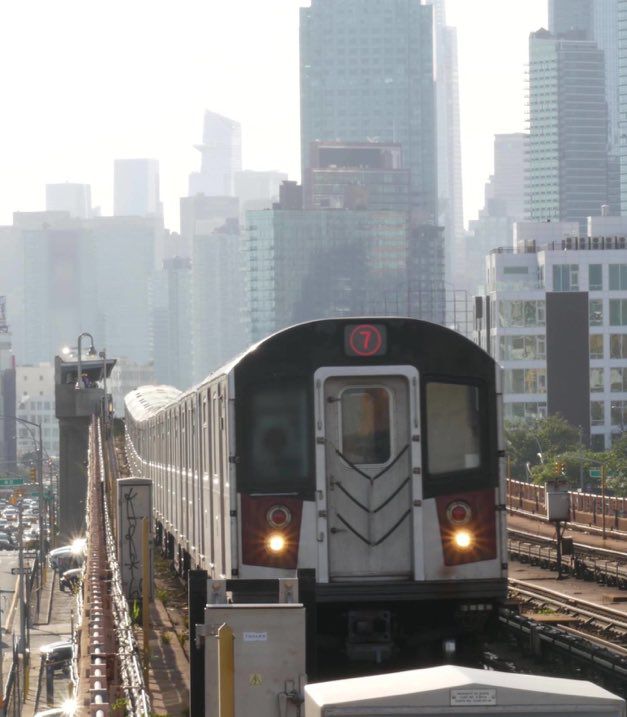
The shutdown immediately triggered economic and logistical concerns throughout the metropolitan area, with many businesses warning of delays, staffing shortages, and productivity disruptions tied to the transportation crisis. Officials are reportedly working to negotiate with union leaders in hopes of restoring service as quickly as possible.
The serves as a critical transportation lifeline connecting Long Island commuters to Manhattan and other parts of the New York metropolitan area. Any large-scale interruption to the system has the potential to impact hundreds of thousands of residents daily.
Transportation experts note that strikes involving major commuter systems often place renewed attention on labor rights, transit funding, and infrastructure challenges facing public transportation networks nationwide. The situation has also reignited broader conversations about worker compensation and the growing tension between labor unions and transit authorities.
As negotiations continue, city officials and transit leaders remain under pressure to reach a resolution that can restore normal operations and reduce the growing impact on commuters and businesses throughout the region.