
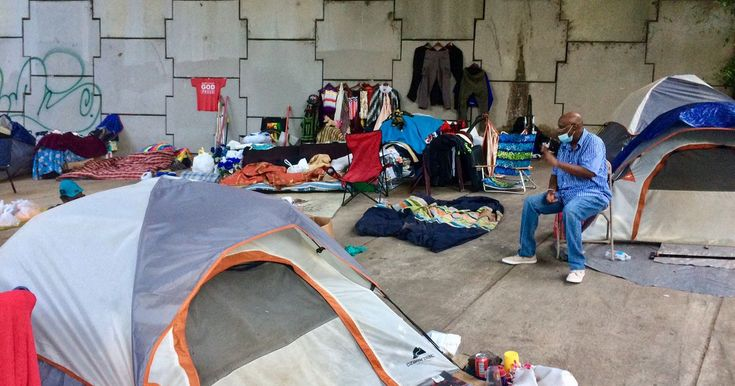
Homelessness in increased by 6% in 2026, pushing the number of people experiencing homelessness to more than 3,000 and highlighting the growing challenges many residents face amid rising housing costs and economic pressures.
Housing advocates and community organizations say the increase reflects a broader affordability crisis, as rent prices, homeownership costs, and everyday living expenses continue to climb faster than wages for many working families. The trend mirrors concerns seen in cities across the United States, where housing shortages and inflation have placed additional strain on vulnerable populations.
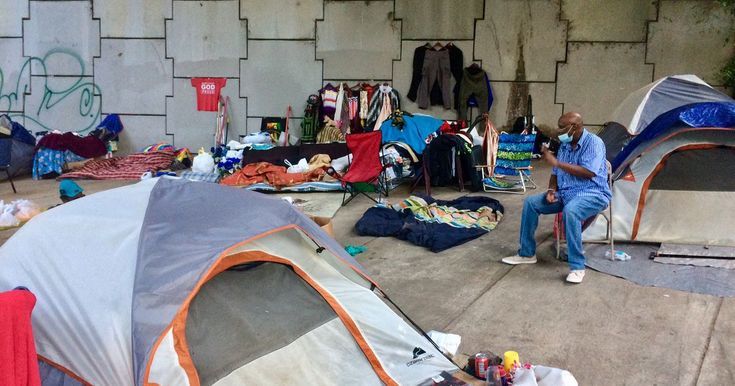
Local service providers report that more individuals and families are seeking assistance with housing, shelter, food security, and supportive services. Many organizations say they are experiencing increased demand while working to secure additional resources to address the growing need.
Experts point to a combination of factors contributing to the rise, including limited affordable housing inventory, stagnant income growth, rising healthcare costs, and economic uncertainty. Even residents with full-time employment are increasingly finding it difficult to keep pace with housing expenses in some parts of the metro area.
Community leaders have emphasized the importance of expanding affordable housing development, strengthening rental assistance programs, and investing in long-term solutions that address both homelessness and housing instability. Advocates argue that preventing homelessness before it occurs can be just as critical as providing emergency shelter and support services.
The increase comes as continues to experience significant population growth and economic development, creating opportunities for many residents while also intensifying concerns about affordability and displacement in certain neighborhoods.
As policymakers, nonprofits, and community stakeholders evaluate strategies to address the issue, homelessness remains one of the region’s most pressing social and economic challenges, underscoring the need for coordinated efforts to ensure housing remains accessible for residents across all income levels.