
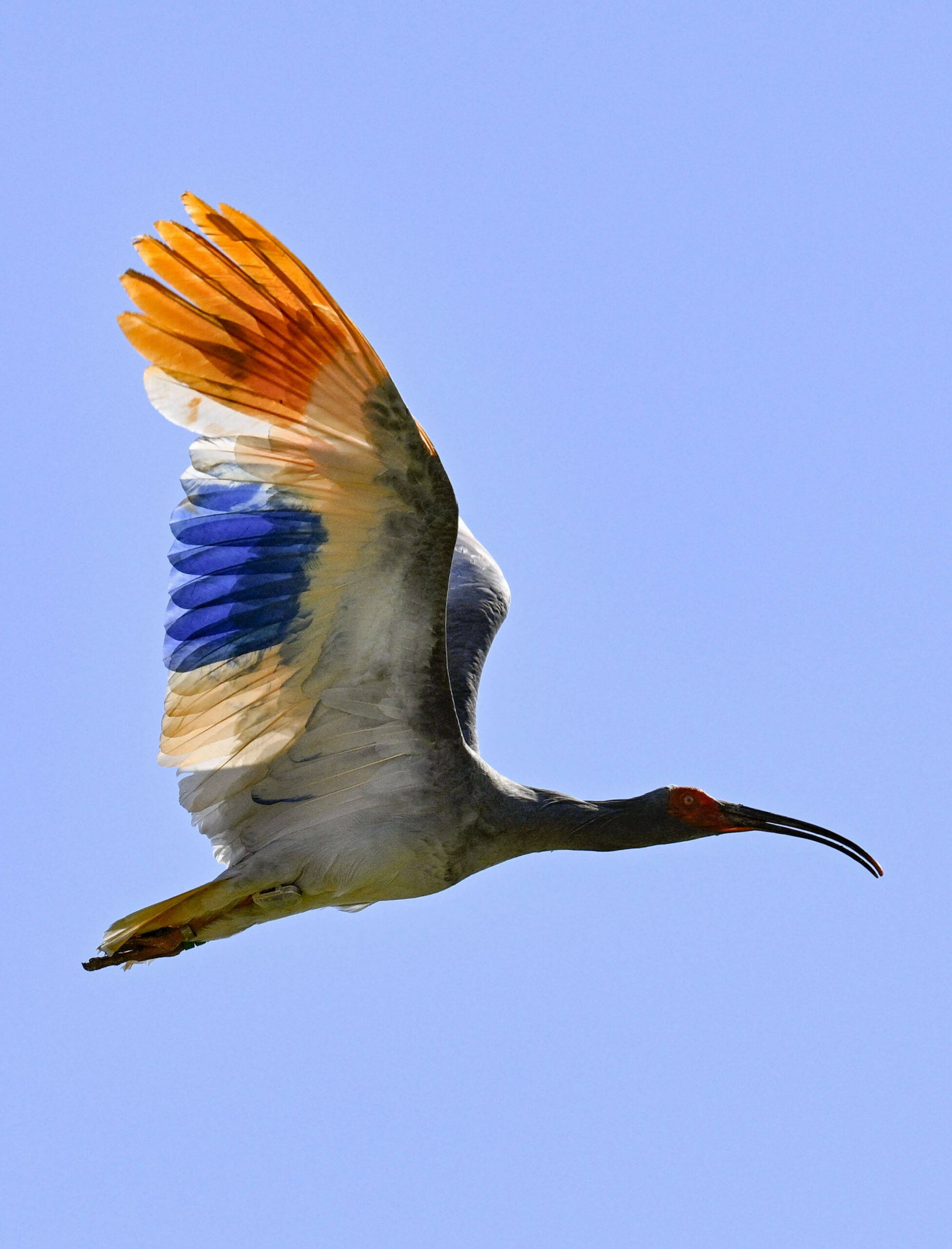
A major conservation milestone has been achieved in Japan after eight crested ibises were successfully released into the wild, marking another step in the remarkable recovery of a species that disappeared from the country more than five decades ago.
The crested ibis, once a familiar sight across parts of East Asia, was declared extinct in the wild in Japan during the 1970s after populations collapsed due to overhunting, habitat destruction, pesticide use, and environmental degradation. The disappearance of the birds became one of the country’s most well-known conservation losses.

The recent release represents years of breeding, habitat restoration, and international conservation cooperation aimed at rebuilding sustainable populations. Wildlife experts say the reintroduction is a significant achievement for biodiversity conservation and highlights the impact of long-term species recovery programs.
Known for their distinctive pink-tinted feathers, elegant appearance, and curved bills, crested ibises have become a symbol of successful wildlife restoration efforts in Japan. Conservationists have worked for decades to restore suitable habitats and strengthen breeding programs to make releases like this possible.
Environmental organizations and wildlife officials celebrated the milestone, noting that the return of the birds to their natural habitat demonstrates how coordinated conservation efforts can help reverse population declines that once seemed irreversible.
The release also serves as an important reminder of the environmental challenges that contributed to the species’ disappearance and the ongoing need to protect ecosystems from habitat loss, pollution, and other human-driven threats.
As the newly released birds begin adapting to life in the wild, conservationists will continue monitoring their progress and hope the effort will contribute to a growing, self-sustaining population for future generations.