
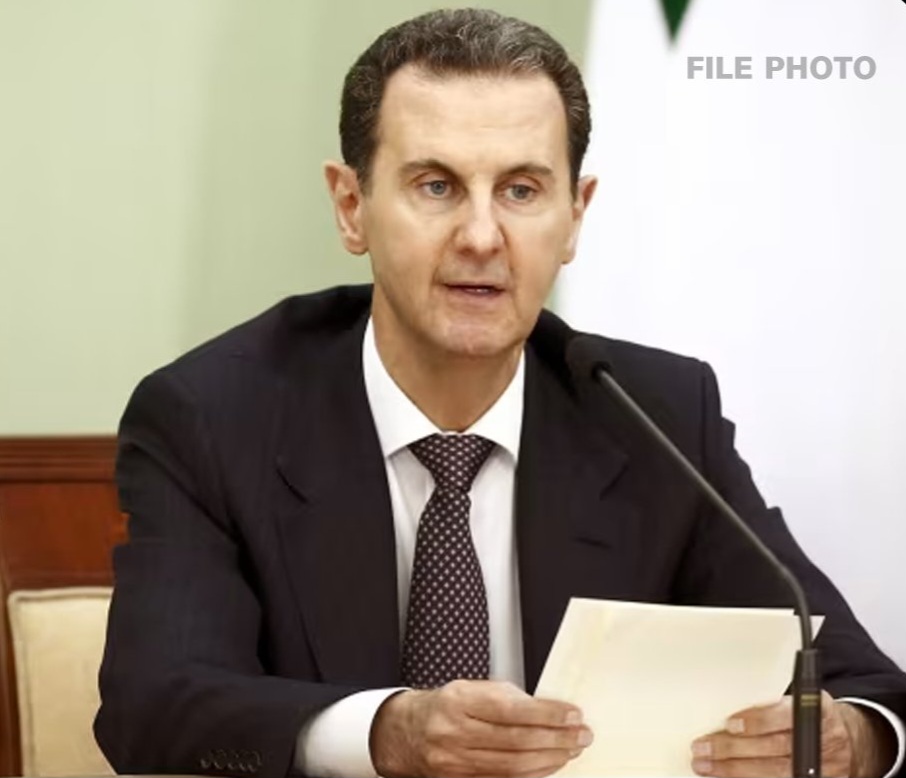
Former Syrian President Bashar al-Assad has been sentenced to death in absentia by a Syrian court over crimes committed during the country’s nearly 14-year civil war, marking a major development in efforts to hold former regime leaders accountable.
The Damascus Fourth Criminal Court convicted Assad of crimes including premeditated murder, torture, arbitrary arrests and crimes against humanity. His younger brother, Maher al-Assad, also received a death sentence in absentia.
Assad was not present for the proceedings. He fled Syria after his government collapsed in December 2024 and has since been living in Russia, where he and his family were granted asylum. Syria’s new authorities have sought his extradition.
The court’s ruling relates to atrocities committed during Syria’s conflict, which began with protests in 2011 and ultimately resulted in an estimated half-million deaths and the displacement of millions of people.
Assad’s cousin, Atef Najib, a former security official who was involved in the early crackdown on protests in Daraa, was also sentenced to death. Unlike Assad and his brother, Najib was present in court. The crackdown in Daraa is widely regarded as one of the events that helped ignite the wider uprising and subsequent civil war.
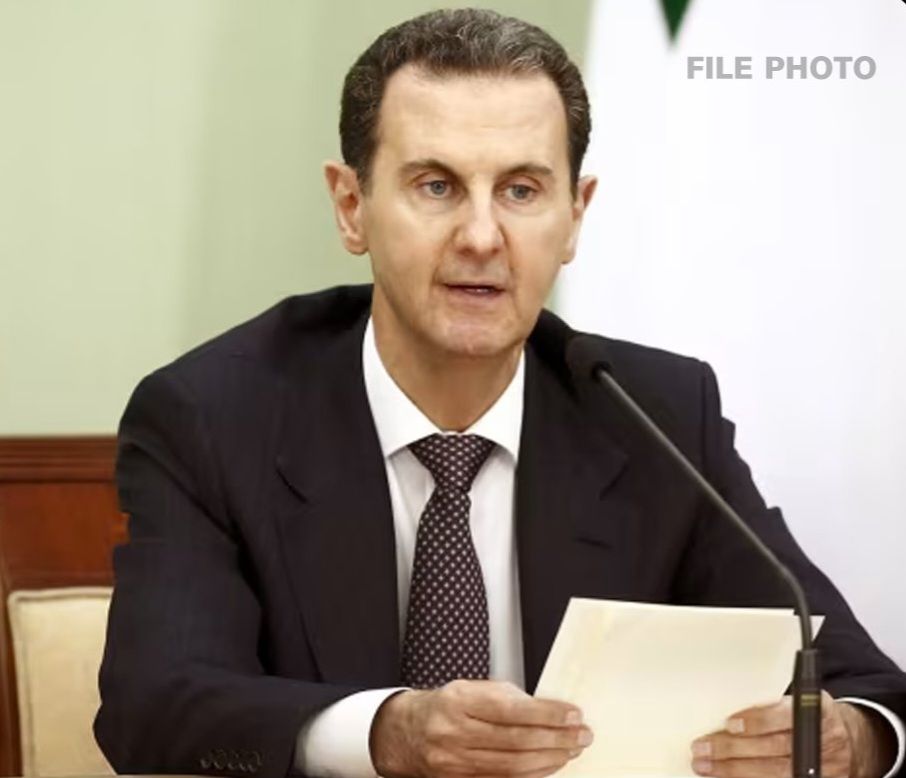
The verdict represents the first conviction of Assad or members of his inner circle since the Assad family’s decades-long rule came to an end. For many victims and their families, the ruling carries significant symbolic importance after years of seeking accountability for killings, torture and other abuses.
However, the decision also raises questions about how the sentence could ultimately be enforced. Because Assad remains outside Syria, any attempt to execute the sentence would require his return or extradition from Russia, making the ruling difficult to carry out in practice.
Human rights organizations have welcomed efforts to pursue accountability while raising concerns about the use of the death penalty and the importance of fair-trial standards. The case is therefore likely to remain part of a broader debate over transitional justice in post-Assad Syria.
The landmark ruling underscores the enormous legal and political challenges facing Syria as the country attempts to address the legacy of its devastating conflict and rebuild its institutions after decades of authoritarian rule.