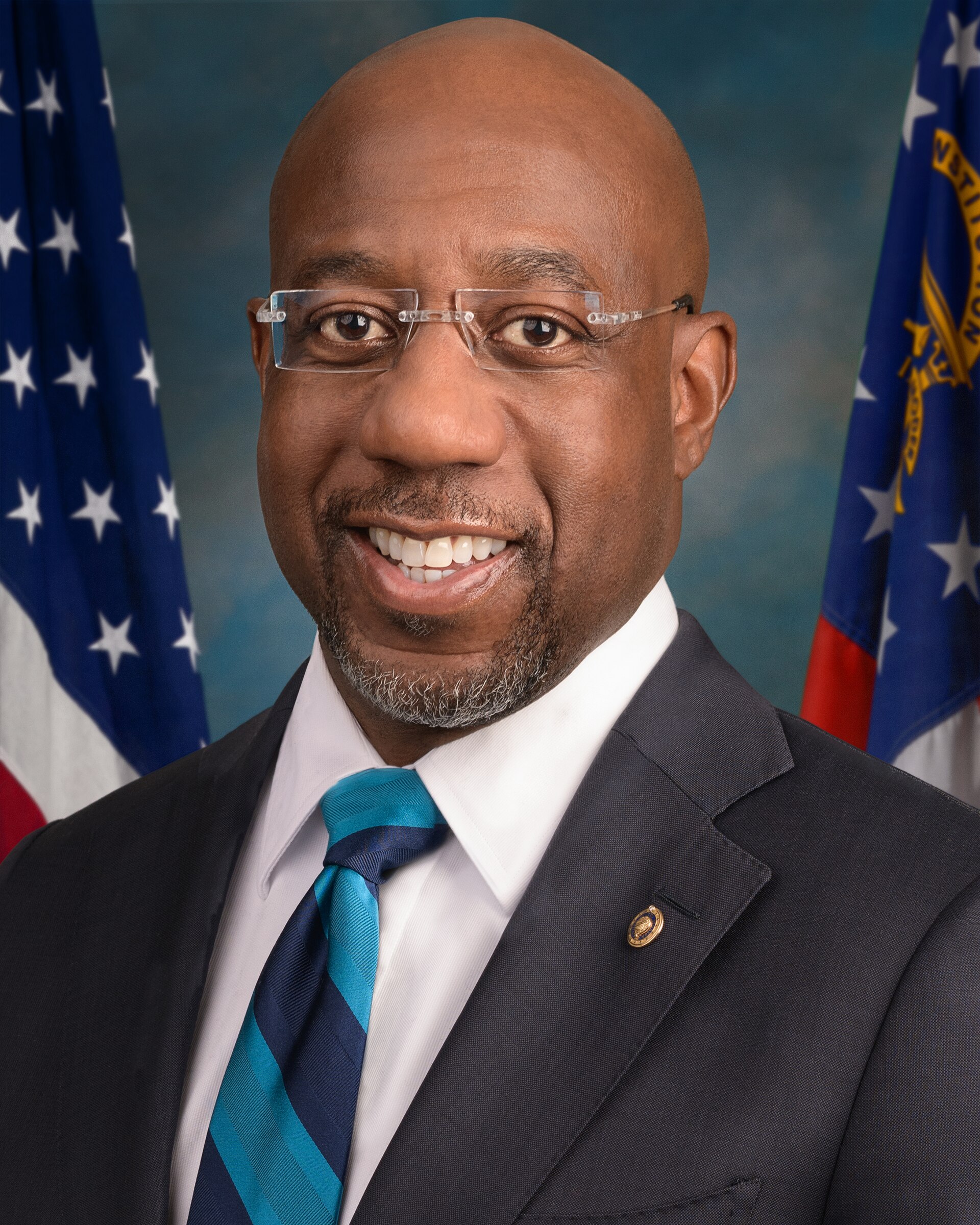
The federal figure for Clark Atlanta University is $9,784,632. Not roughly ten million, not a rounded promise: $9,784,632 in Defense Department research funding, announced October 5 by Sen. Raphael Warnock as part of a $97.1 million award spread across ten historically Black colleges and universities and minority-serving institutions.
Every school on the list is chasing the same thing, and the money is a means to it. All ten institutions are pursuing Research One status, the Carnegie classification for universities with the highest levels of research activity. Among HBCUs, exactly one school holds it: Howard University. The other nine names on Warnock’s list, and Clark Atlanta with them, are buying laboratory capacity, faculty research time, and graduate programs in an effort to become the second, third, and fourth.
Ten Schools, and the Arithmetic Checks Out
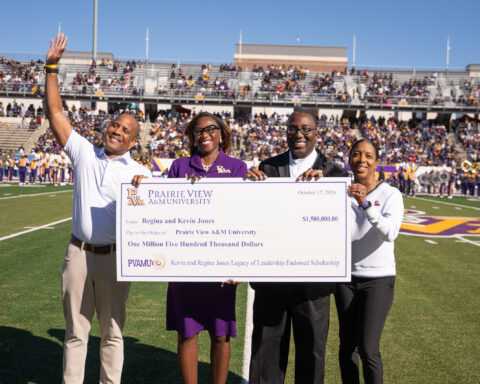
The awards run through the Department of Defense’s HBCU and Minority-Serving Institutions Research and Education Program. The full breakdown, which adds up to the announced total: Florida A&M, Morgan State, North Carolina A&T, Delaware State, and Texas Southern at $10 million each; the University of the District of Columbia at $9.98 million; Fayetteville State at $9.90 million; Prairie View A&M at $9.86 million; Clark Atlanta at $9.78 million; and Jackson State at $7.57 million, the smallest award of the ten.
The geography is worth pausing on. The list crosses party lines the way research funding often does when it moves through appropriations rather than executive action: institutions in Georgia, Florida, Maryland, North Carolina, Delaware, Mississippi, Texas, and the District of Columbia, represented by senators of both parties who have reason to protect the program that funds them.
“For too long, HBCUs have gone unrecognized for their contributions to our nation’s leading STEM industry,” Warnock said in announcing the awards. “These institutions serve as stewards of academic excellence and innovation, and this federal investment specifically in STEM programs honors that legacy of greatness and expands opportunity for the next generation of scientists.”
The Ledger Behind the Announcement
Warnock is a Morehouse College graduate, class of 1991, and is still senior pastor of Ebenezer Baptist Church in Atlanta. His office counts more than $17 billion in federal investment for HBCUs nationwide since he began his full Senate term in 2022, including nearly $275 million for Georgia institutions. The $97.1 million was congressionally directed funding, meaning Warnock and his colleagues wrote it into the appropriations process rather than waiting for an agency to offer it. That provenance is not a technicality. In the same weeks, the Education Department’s decision to redirect money to HBCUs on its own authority drew a letter of protest from fifty-six lawmakers; the Warnock awards, moving through Congress, drew none.
R1 status is the strategic target because the classification compounds. Universities with the designation compete for larger federal research awards, recruit faculty who bring grants with them, and enroll doctoral students whose work fills the labs. A $10 million award spent well is meant to make the next $50 million plausible.
A Website, of All Things
Warnock’s other HBCU project this year is considerably cheaper than $97.1 million. In March, he and Sen. Katie Britt, a Republican from Alabama, introduced the HBCU Research Capacity Act. Its central mechanism is a website: a single federal portal where HBCU faculty and administrators can find STEM research grants and development funding across agencies, instead of monitoring dozens of departmental notice boards, each with its own calendar and format.
The bill is a diagnosis in legislative form. The money for HBCU research exists across the federal government, scattered through defense, energy, agriculture, and science agencies. What small research offices at underfunded institutions lack is the staff to hunt for it. A centralized portal does not appropriate a dollar; it lowers the cost of finding the dollars already appropriated. That a sitting senator identified search friction, rather than funding alone, as a bottleneck says something about how this money actually moves, and about why the same well-staffed universities keep winning it.
None of the ten presidents on the October list has announced an R1 timeline, and the classification is reviewed on a cycle measured in years. The awards are announced. The laboratories come next, and then the long count of research spending and doctoral degrees that decides whether a school joins Howard, or keeps chasing it.