
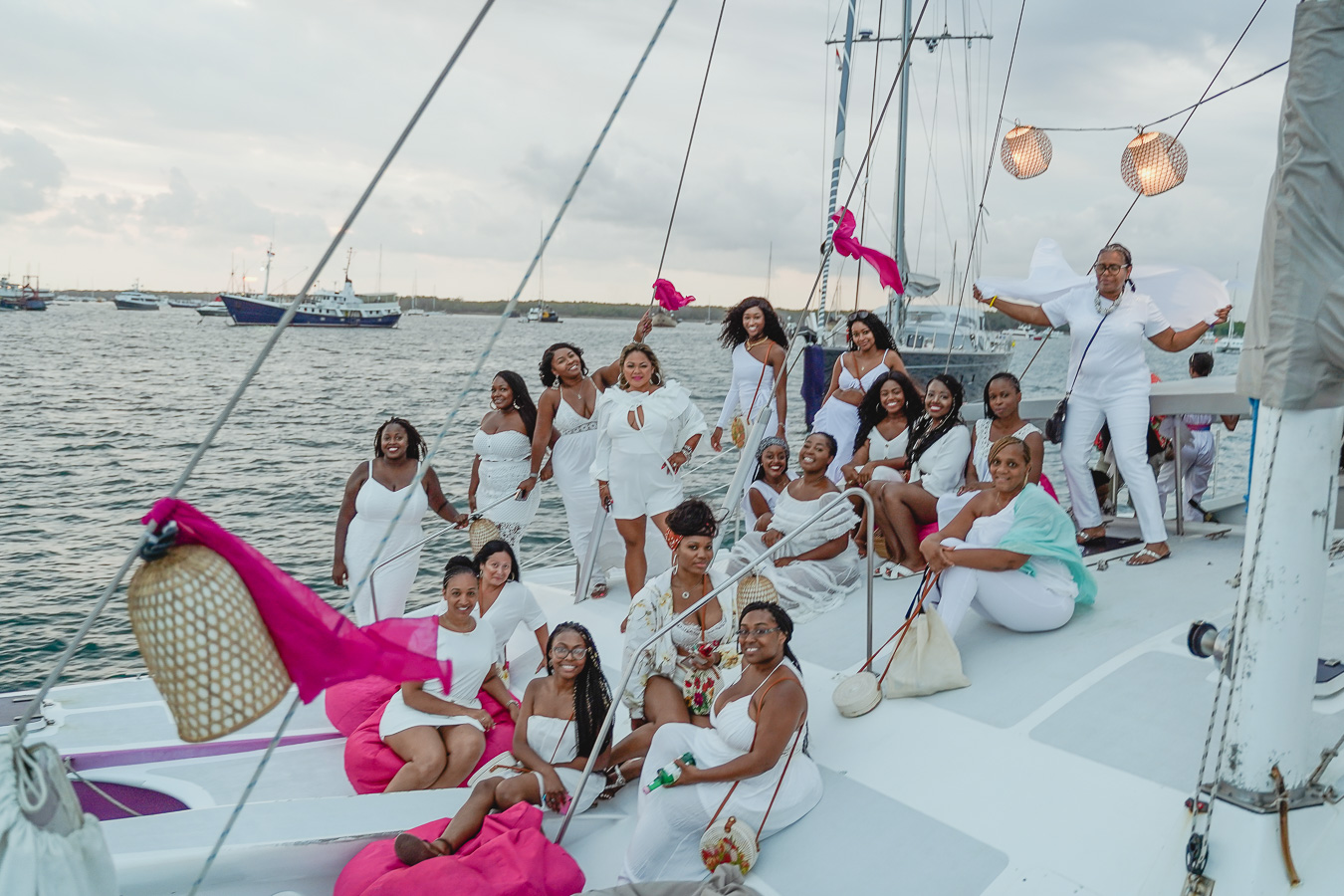
The number arrives first, and it is large. Black leisure travelers in the United States spent an estimated $145 billion in 2023 and took roughly 184 million trips, about 11 percent of the national leisure market. Those figures, from MMGY Travel Intelligence, anchor a report published this month by Shake Stir & Mingle, a Black-owned, women-led luxury travel advisory. Its author, Sonya Crew, has a second argument underneath the first: the industry courts this market harder than it measures whether the welcome matches the advertising.
The report, The State of Black Luxury Travel 2026, is a synthesis rather than a new survey. Crew pulls from MMGY’s multiyear Black traveler research, Expedia Group’s 2024 Journeys for All study, Nielsen’s 2026 consumer research and the Black Travel Alliance. She is careful about the seams between them, and the care matters, because the $145 billion measures all leisure travel, not the luxury tier alone. No honest figure for Black luxury spending by itself exists yet. Crew says so in print, which is rarer than it should be in travel marketing.
Willing to pay, watching for welcome
The premium appetite is documented. MMGY found that 87 percent of surveyed Black travelers were willing to pay for premium upgrades, including better rooms and airline seats. Higher-income Black travelers put 59 percent of their travel budgets into transportation and accommodations, against 51 percent among lower-income travelers.
Expedia’s research supplies the counterweight. Eighty-nine percent of Black travelers said feeling safe matters in choosing a destination, and 85 percent prioritized feeling welcome. Among Black women, 92 percent named safety. The planning burden follows from those numbers. Black travelers reported about eight hours of general trip planning plus six additional hours checking safety, welcome and accessibility for people who share their identities. Black women averaged 15 hours of planning in total. Travelers with disabilities averaged 18.
Representation scores split the same way. Eighty-two percent of Black travelers valued advertising that reflects people who share their identities. Eighteen percent felt very well represented. Nielsen’s 2026 research adds the commercial consequence: 67 percent of Black consumers pay more attention to brands that reflect their culture, and 70 percent said they would stop buying from a brand they perceived as devaluing their community.
A framework, and a standard
Crew proposes six dimensions for judging a property: Welcome, Confidence, Personalization, Representation, Transparency and Accountability. She presents the framework as an editorial tool, not a certification, and connects it to older accountability work, including the Black Travel Alliance’s 2020 scorecard, which asked the industry to report on employment, conferences, advertising, press access and philanthropy.
The industry voices in the underlying MMGY research make the same point with less patience. “Once again, the data is clear: Black people do travel, and our buying power does impact communities,” said Jason Dunn, CEO of the National Coalition of Black Meeting Professionals. “This should no longer be a question but a fact and a speaking point in all boardrooms.”
The practical openings are already visible. New premium product keeps arriving for this traveler, from safari resorts sold as a single stay, like Club Med’s new South Africa property, to longevity retreats priced for families who treat health as an asset class. What the report asks is whether the service will be measured as carefully as the marketing. Crew closes with the sentence the whole document earns: “Luxury is not simply what a property possesses. It is the quality and consistency of what it delivers.”
The Social Register’s event directory tracks the season’s galas, benefits, and society evenings. Plan your next evening there.