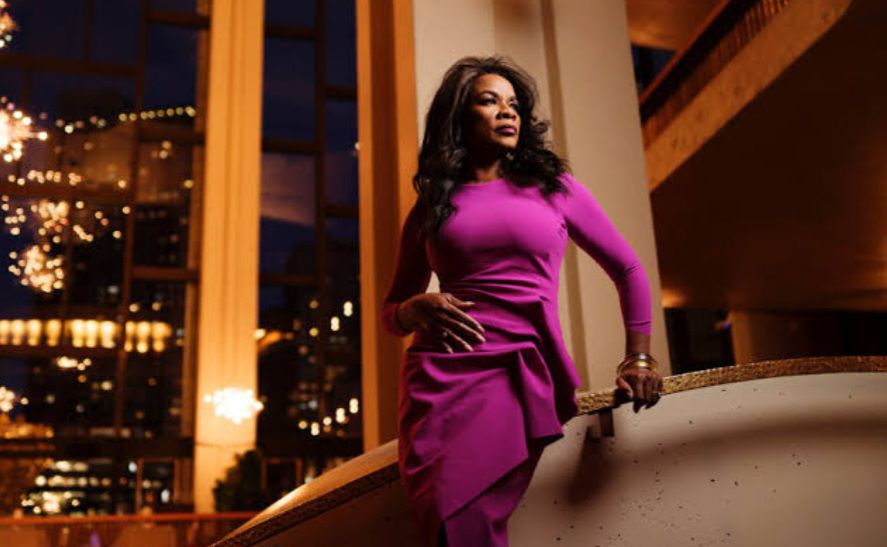
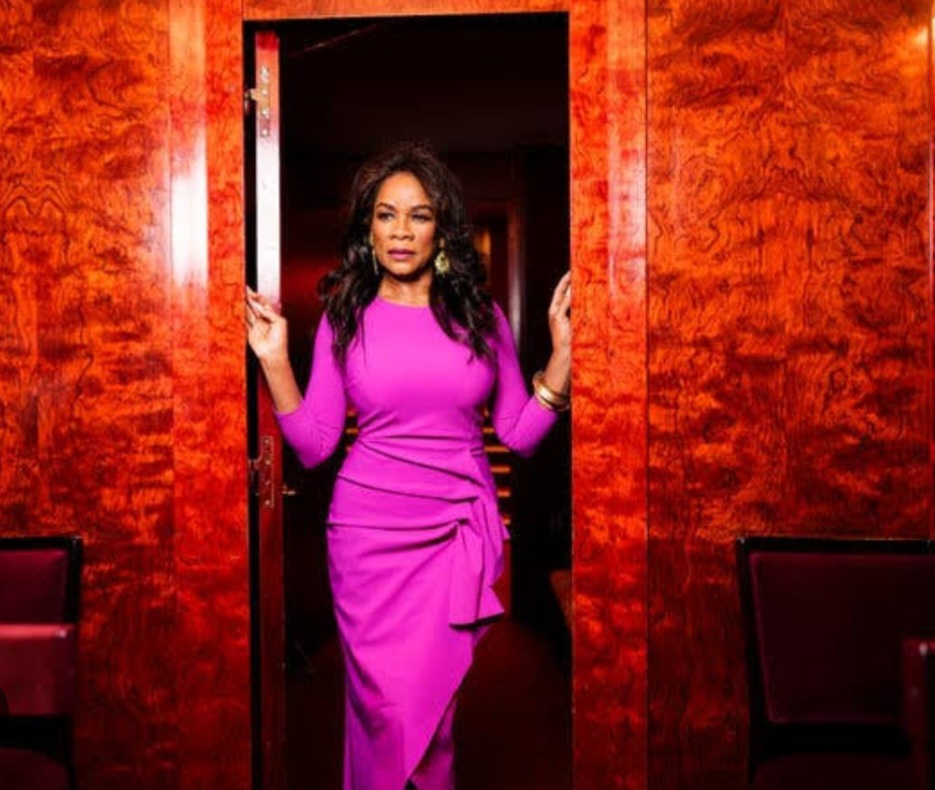
After more than 40 years captivating audiences on the world’s most prestigious opera stages, Denyce Graves, the acclaimed mezzo-soprano, has taken her final bow. Known for her powerful, expressive voice and commanding presence, Graves has left an indelible mark on the world of classical music, performing iconic roles at the Metropolitan Opera, Paris Opera, and countless other renowned venues worldwide.
Her career is a testament to artistry, discipline, and resilience. Graves broke barriers as a Black woman in a traditionally exclusive field, inspiring generations of singers to pursue opera with confidence and determination. From her early breakthrough roles to celebrated performances in Carmen, Porgy and Bess, and Die Zauberflöte, she consistently earned critical acclaim for her vocal precision, emotional depth, and magnetic stage presence.
Now, Graves is pivoting to a new chapter: mentoring and teaching the next generation of opera talent. She sees this as an opportunity to give back to the art form that shaped her life. “Teaching is a way to continue the legacy of opera and ensure that the art form evolves with new voices and perspectives,” she said. Through workshops, masterclasses, and one-on-one mentoring, Graves plans to share her expertise in vocal technique, stagecraft, and navigating the challenges of a professional music career.
Her final performances were celebrated not only for their artistry but also as a reflection of her lasting influence on classical music.
Critics and fans alike have praised her ability to bring characters to life, blending technical mastery with emotional storytelling. Beyond her performances, Graves’ advocacy for diversity and inclusion has reshaped the opera world, opening doors for artists of color and redefining what it means to thrive on the stage.
As Graves steps away from performing, her legacy will live on through the students she mentors, the countless audiences she moved, and the trail she blazed for future generations. While the curtain has closed on her performing career, her impact on opera—and the artists who will follow in her footsteps—is far from over.