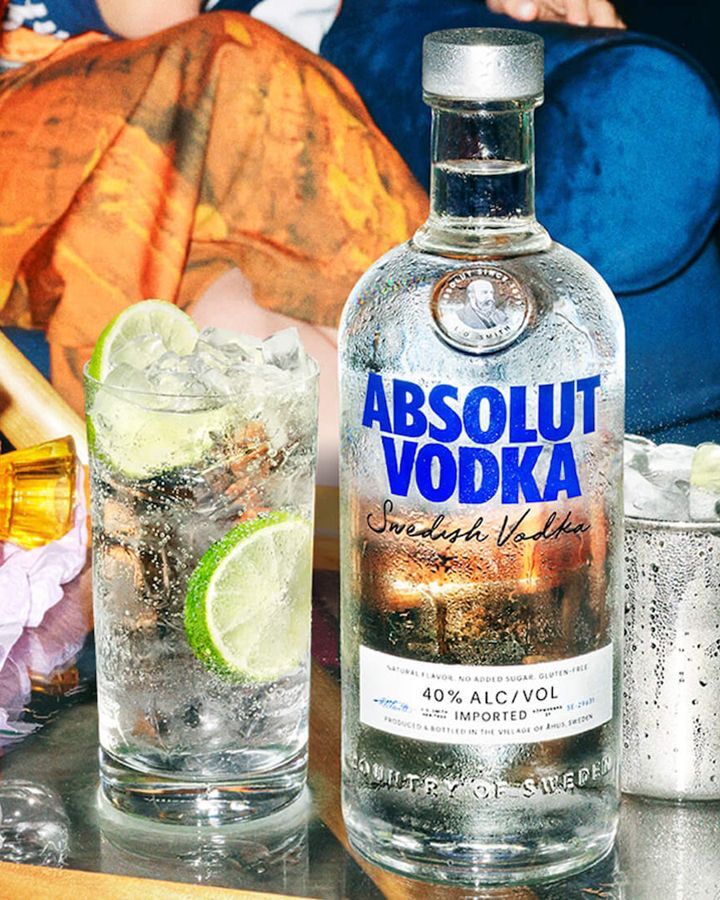
The global alcohol industry has reportedly lost an estimated $830 billion over the past four years, a staggering figure many analysts attribute to changing consumer behavior—particularly among Generation Z.
Born roughly between the late 1990s and early 2010s, Gen Z consumers are redefining social culture by significantly cutting back on alcohol consumption. Health consciousness, financial caution, and a growing preference for wellness-focused lifestyles have all contributed to the shift. Unlike previous generations, many young adults are opting for sobriety, moderation, or alcohol-free alternatives.
Industry data shows declining sales across traditional beer, wine, and spirits categories in several major markets. Bars and nightlife venues have also felt the impact, with reduced spending per customer and fewer alcohol-centered gatherings. Instead, Gen Z consumers are gravitating toward mocktails, zero-proof spirits, functional beverages, and cannabis products in regions where it is legal.
Social media has further amplified the “sober curious” movement, making alcohol-free lifestyles more socially accepted and even aspirational. Wellness trends—such as fitness culture, mental health awareness, and productivity-focused living—have reshaped what younger consumers value, often prioritizing clarity and long-term health over nightlife excess.
In response, major beverage corporations are investing heavily in non-alcoholic product lines, low-ABV options, and premium experiences aimed at moderation rather than heavy consumption. Some brands have repositioned their marketing strategies to focus on balance, quality over quantity, and inclusive social settings that do not revolve solely around drinking.
While the industry remains profitable overall, the long-term trajectory suggests a structural shift rather than a temporary downturn. As Gen Z continues to gain purchasing power, their preferences are likely to influence the future of hospitality, nightlife, and beverage innovation worldwide.
The numbers signal more than a financial loss—they reflect a generational cultural change redefining how, when, and why people drink.