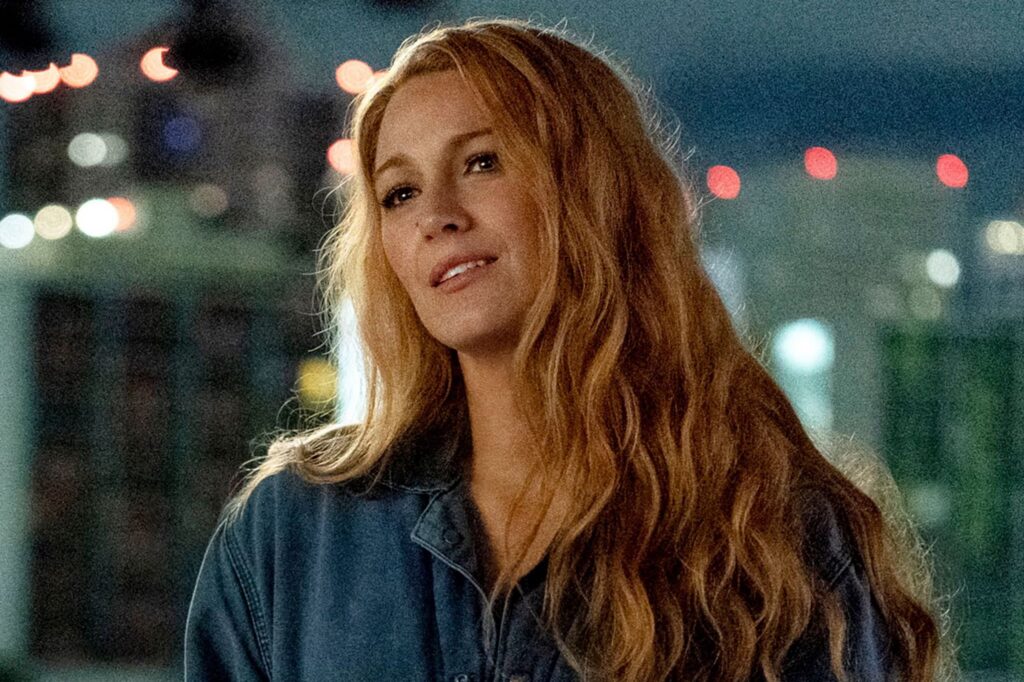
A judge has dismissed sexual harassment claims filed by Blake Lively against Justin Baldoni, citing legal limitations tied to her employment status and where the alleged incidents occurred.
Why the Case Was Dismissed
The court’s decision centered on two key issues:
1. Independent Contractor Status
• The judge ruled that Lively could not bring a sexual harassment claim under federal law
• This is because she was classified as an independent contractor, not an employee
• Federal workplace harassment protections generally apply to employees, not contractors
2. Jurisdictional Limits
• Lively also attempted to file under California law
• However, the court determined that the filming took place in New Jersey, not California
• As a result, California harassment laws did not apply to the case
Legal Implications
The ruling highlights broader legal challenges:
• Many workers in entertainment operate as independent contractors, limiting certain protections
• State laws vary, and claims must align with where incidents legally occurred
• The decision underscores gaps in how harassment laws apply across different work structures
Industry Impact
The dismissal may reignite conversations around:
• Expanding legal protections for contract workers
• Clarifying jurisdiction in multi-state productions
• Accountability standards within the film and television industry
Bottom Line
The dismissal of Blake Lively’s claims against Justin Baldoni underscores how employment classification and jurisdiction can significantly shape the outcome of high-profile legal battles.