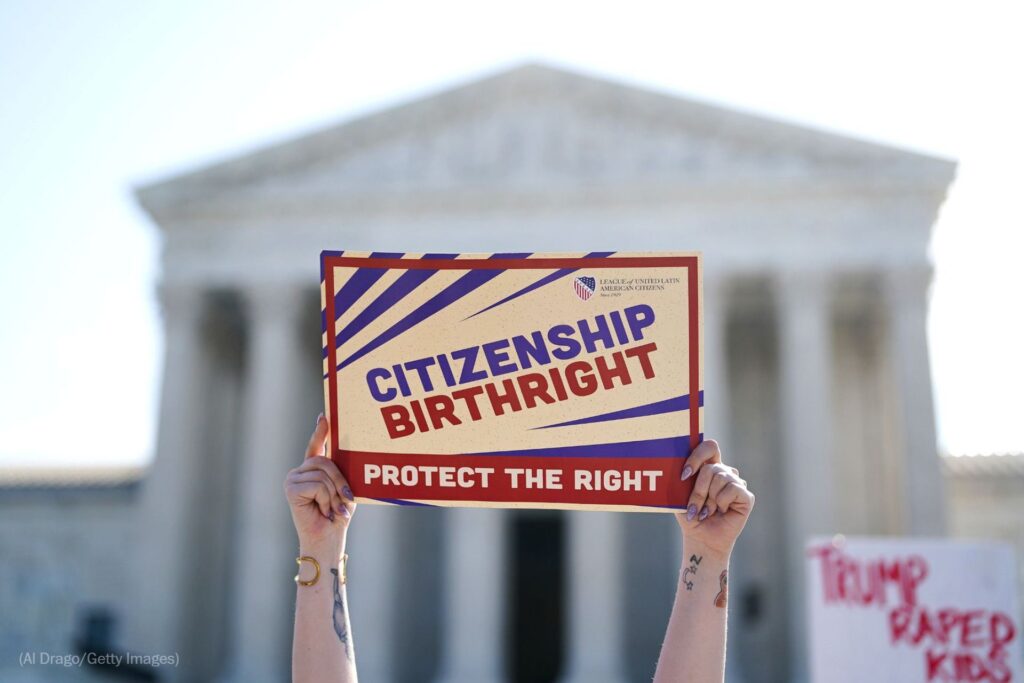
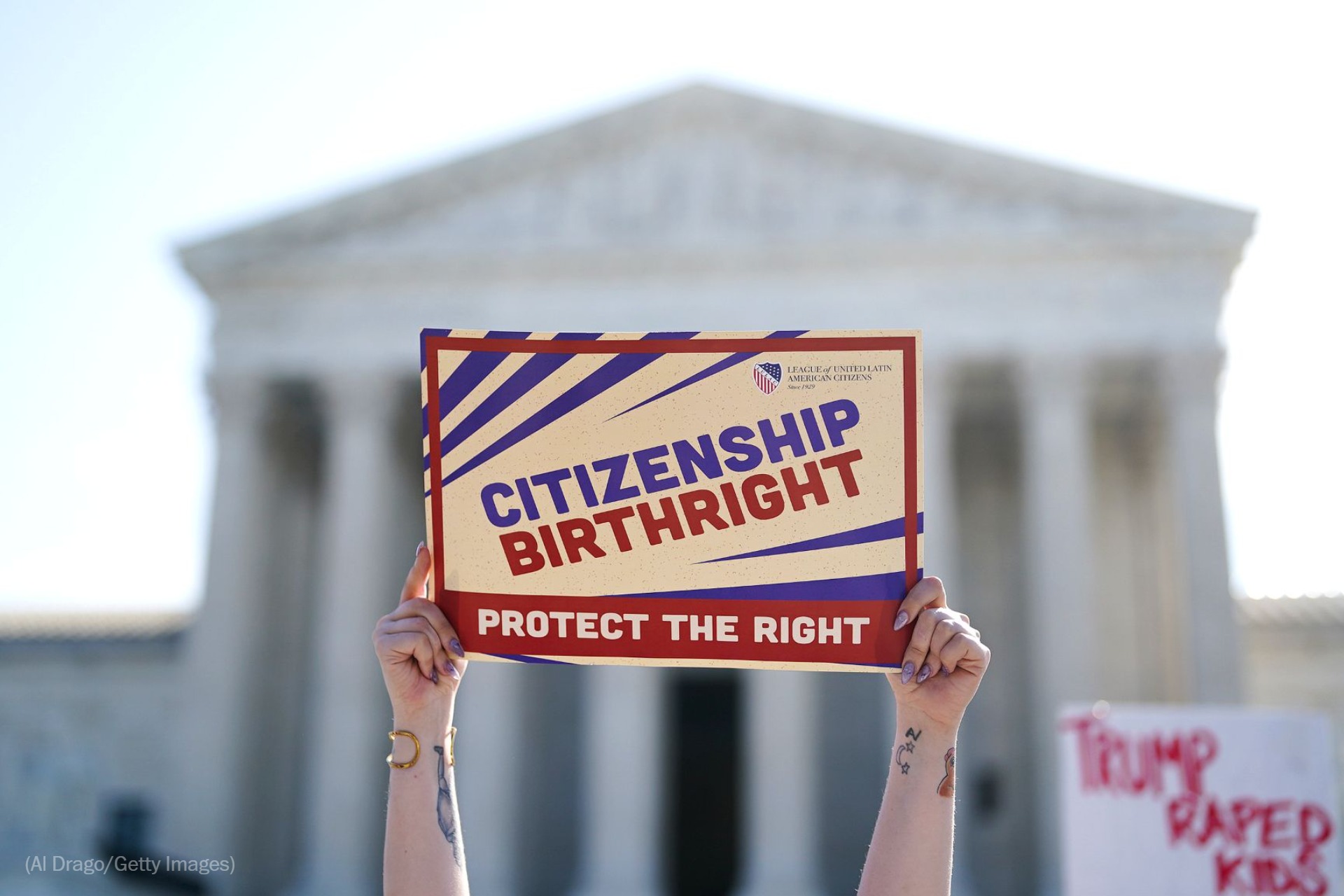
In a highly unusual and symbolic moment, Donald Trump was seen seated in the public section of the Supreme Court of the United States as justices heard arguments over the constitutionality of efforts to end birthright citizenship.
A Rare Presidential Presence
It is extremely uncommon for a sitting or former president to attend Supreme Court proceedings in person. Trump’s presence:
• Signals the high stakes of the case
• Underscores his personal and political investment in the issue
• Adds a layer of public attention and symbolism to the proceedings
The Case at Hand
At the center of the arguments is whether a president can:
• Restrict or reinterpret birthright citizenship, which is widely understood to be guaranteed under the 14th Amendment
• Apply changes through executive action rather than constitutional amendment
The 14th Amendment grants citizenship to “all persons born or naturalized in the United States”, making this one of the most consequential constitutional questions in modern history.
Key Legal Questions
The justices are expected to examine:
• Whether the executive branch has authority to limit constitutional rights
• The historical interpretation of citizenship clauses
• Precedents that define who qualifies for automatic U.S. citizenship
Legal experts say the ruling could reshape immigration policy for generations.
National and Political Impact
The outcome of this case could:
• Affect millions of future births in the U.S.
• Redefine long-standing interpretations of constitutional law
• Trigger major shifts in immigration and civil rights policy
It has already become one of the most closely watched legal battles in the country.
Bottom Line
With Donald Trump personally attending arguments at the Supreme Court of the United States, the debate over birthright citizenship has reached a historic moment—one that could fundamentally alter the meaning of American citizenship.