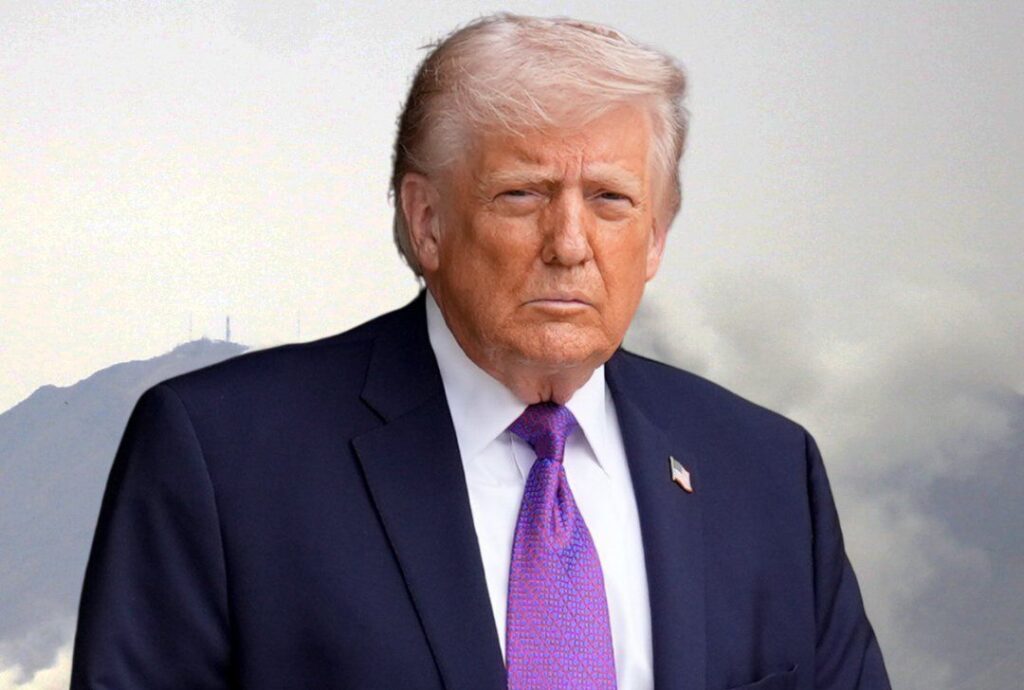
A dramatic escalation in global tensions unfolded as Donald Trump delivered a blunt warning to Iran, giving the country 48 hours to fully reopen the Strait of Hormuz or face direct military consequences.
A High-Stakes Warning
In his statement, Trump made clear that failure to comply would result in targeted U.S. strikes on Iran’s power infrastructure, signaling one of the most aggressive positions taken in the ongoing standoff. The warning specifically referenced beginning with major energy facilities, raising alarm among international observers.
The ultimatum marks a significant shift from diplomatic pressure to explicit military threat, intensifying fears of a broader confrontation.
Why the Strait Matters
The Strait of Hormuz is one of the most strategically vital waterways in the world. Roughly one-fifth of global oil supply moves through this narrow passage, making it a critical artery for international trade and energy markets.
Any disruption in the strait has immediate ripple effects:
• Oil prices surge globally
• Supply chains face uncertainty
• Economic stability becomes increasingly fragile
Rising Global Tensions
The ultimatum comes amid escalating hostilities involving Iran, its regional adversaries, and Western allies. Reports of threats to shipping routes and increased military activity have already heightened fears of a wider conflict.
The World Watches Closely
With the 48-hour deadline now in focus, governments, markets, and military forces are on high alert. Diplomatic efforts may intensify behind the scenes, but the situation remains volatile and unpredictable.
For now, the future of the Strait of Hormuz—and global stability—hangs in the balance.