
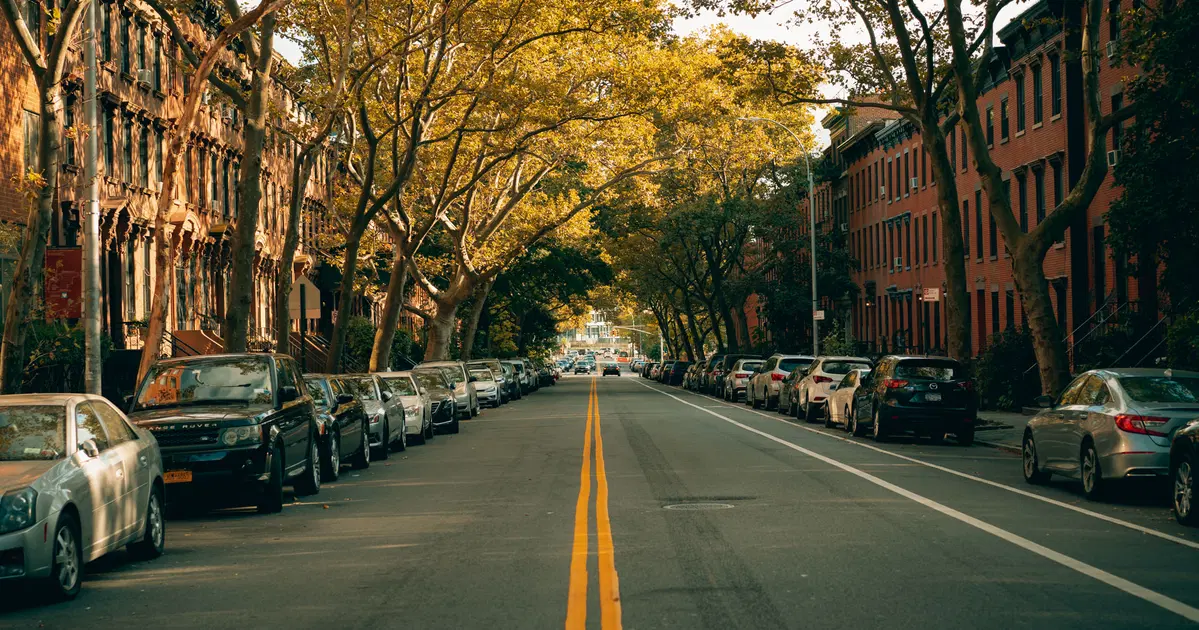
I’ve been returning to the same cities for years, and lately I’ve had this feeling I can’t shake. The places themselves are familiar, but the way they feel has shifted. Not in a dramatic way. More subtle than that. Like walking into a room you know well and realizing the furniture has been moved just enough to change the energy.
Cities feel quieter now. Not empty, just less performative. Mornings stretch longer. Evenings start earlier. There’s a softness in the way people move through space that didn’t exist before, or maybe we were all too distracted to notice it. Either way, it’s there.
I noticed it first in places I thought I knew by heart. Streets that once felt hurried now feel deliberate. Cafés where people linger longer. Fewer people rushing with purpose and more people moving with intention. It’s not that cities have slowed down entirely. They’ve just recalibrated.
Part of it is economic, part of it is emotional, and part of it is cultural. Cities have absorbed a lot over the past few years. Rising costs. Fewer small businesses. A reshuffling of who gets to stay and who has to leave. You can feel that weight if you’re paying attention. But you can also feel resilience. A kind of quiet persistence.
What’s changed most is how cities want to be experienced. They don’t reward rushing anymore. If you come in trying to conquer them, they push back. If you take your time, they open up. Neighborhoods matter more than landmarks. Repetition matters more than novelty. Sitting in the same place twice gives you more than checking off somewhere new every hour.
I think that’s why so many travelers are gravitating toward familiar cities instead of chasing new ones. There’s comfort in returning. Depth in noticing what’s changed and what hasn’t. It’s less about discovery and more about relationship.
Even the way cities sound is different. Fewer crowds funneling through the same streets. More local language. More pauses between moments. At night, things feel calmer, more contained. You’re not fighting the city for space anymore. You’re sharing it.
There’s also a new honesty to cities. They’re less interested in impressing you. Gloss has given way to texture. Rough edges are more visible, but so is character. You see how people actually live. How they adapt. How they make beauty out of constraint.
I think good travelers are picking up on this instinctively. They’re staying longer. They’re walking more. They’re letting days unfold instead of packing them tight. They’re realizing that cities don’t need to be decoded. They need to be listened to.
The mistake now is treating cities the way we used to. Dropping in fast, consuming what’s popular, leaving before anything settles. That version of travel feels outdated. Cities have changed, and they’re asking us to change with them.
I think the best way to experience a city right now is to treat it less like a destination and more like a conversation. You don’t dominate it. You don’t rush it. You show up, you pay attention, and you let it tell you what kind of mood it’s in.
When you travel like that, cities stop feeling overwhelming or disappointing. They feel human again. And once you feel that shift, you start to realize something else too. It’s not just the cities that are different. We are.