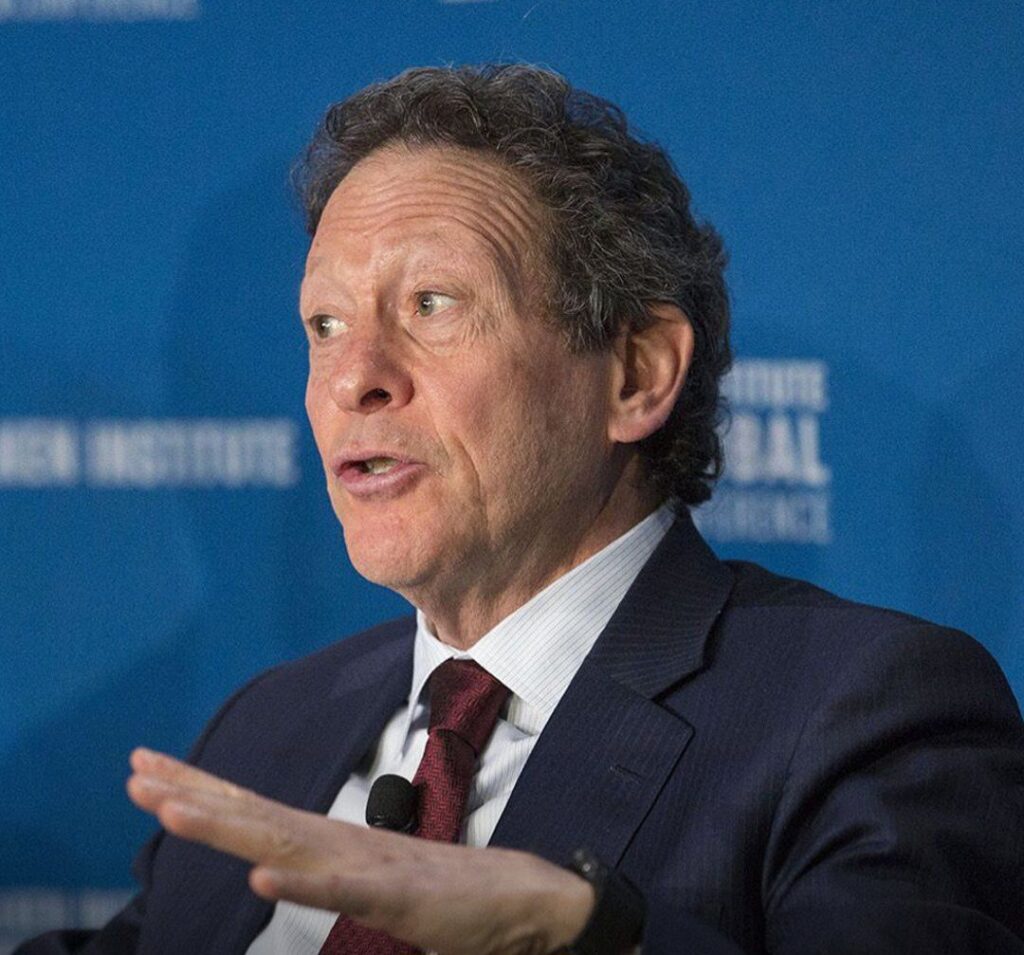
Billionaire businessman Tom Pritzker has announced his retirement as executive chairman of Hyatt Hotels, following renewed scrutiny over his past association with convicted sex offender Jeffrey Epstein.
The decision comes after the United States Department of Justice released a new batch of Epstein-related documents, which included references to high-profile figures connected to Epstein’s social and financial network. The files reignited public attention on individuals previously linked to the disgraced financier.
A Sudden Leadership Exit
In a statement released through Hyatt, Pritzker said he believed stepping down was in the best interest of the company.
“While I have always sought to act with integrity, the renewed public attention surrounding these matters has become a distraction. Hyatt deserves leadership that can remain fully focused on its future,” Pritzker said.
Pritzker, 74, has served as executive chairman of Hyatt since 2007 and is a key member of the powerful Pritzker family, one of the wealthiest and most influential business dynasties in the United States. Under his leadership, Hyatt expanded aggressively, growing into one of the world’s largest luxury and premium hotel brands with properties across more than 70 countries.
Epstein Files Spark Fallout
The newly released Justice Department files are part of an ongoing transparency effort surrounding Epstein’s network of elite associates. Although the documents do not allege criminal wrongdoing by Pritzker, they confirm prior social and business interactions between him and Epstein, which has triggered renewed public scrutiny and media pressure.
Legal experts note that being named in Epstein-related documents does not imply criminal liability, but the reputational consequences for public figures and corporate leaders have proven significant. In recent years, several executives, politicians, and celebrities have faced resignations or investigations following similar disclosures.
Hyatt Responds
Hyatt Responds
Hyatt’s board confirmed that Pritzker’s retirement was effective immediately and announced that a transition plan is already in place. The company emphasized that there has been no finding of wrongdoing by Hyatt or its leadership, and that the decision was made to ensure long-term stability and investor confidence.
In a corporate memo, Hyatt stated:
“We remain committed to strong governance, ethical leadership, and maintaining the trust of our guests, partners, and shareholders.”
A Powerful Legacy, Complicated Ending
Tom Pritzker’s career spans decades of influence in hospitality, philanthropy, and civic leadership. He has served on major corporate boards, supported global education initiatives, and played a central role in transforming Hyatt into a global luxury powerhouse.
However, his retirement marks another example of how the ongoing Epstein disclosures continue to reshape elite leadership across business and politics, even years after Epstein’s death.
Broader Implications
The latest fallout underscores how Epstein’s legacy continues to ripple through powerful institutions. For corporations, the situation highlights a growing emphasis on reputational risk, transparency, and ethical accountability, particularly in the age of social media and public document releases.
For Hyatt, the challenge now will be navigating leadership transition while protecting brand trust in a competitive global hospitality market.
As one industry analyst put it:
“This is not just about legal exposure—it’s about perception, governance, and the new standard of corporate accountability.”
Tom Pritzker’s exit closes a major chapter in Hyatt’s corporate history—one defined by remarkable growth, global influence, and ultimately, a resignation shaped by the enduring shadow of one of the most notorious scandals of the modern era.