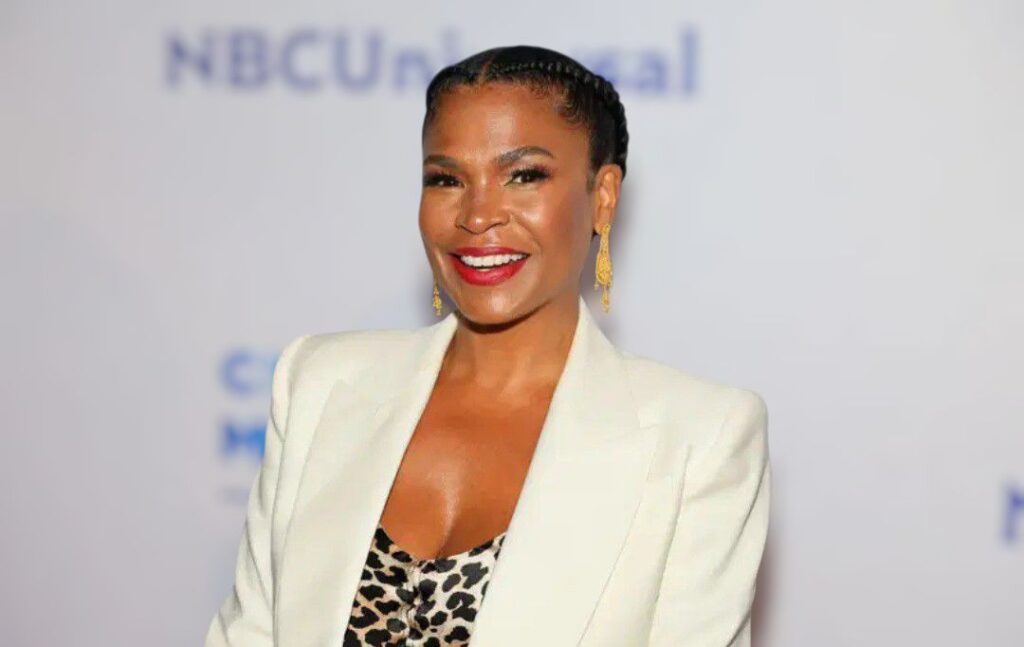
Award-winning actress Nia Long has taken legal action to protect her safety, filing for a protective order against an alleged stalker who reportedly claimed to be in a romantic relationship with her.
Troubling Allegations
According to reports, the individual has repeatedly contacted and harassed Long, insisting that the two share a personal relationship—claims that the actress has firmly denied. The situation escalated to the point where legal intervention became necessary.
Protective orders are typically sought in cases where individuals feel threatened, harassed, or unsafe, and can restrict the accused from making contact or coming near the person involved.
A Growing Concern in Celebrity Culture
Cases like this highlight the darker side of fame, where public figures often face:
• Unwanted attention
• Boundary violations
• Safety threats from individuals with perceived personal connections
For celebrities like Nia Long, maintaining personal security becomes an ongoing challenge.
Legal and Personal Impact
By filing for a protective order, Long is taking a proactive step to ensure her safety and peace of mind. If granted, the order could:
• Prohibit the alleged stalker from contacting her
• Enforce distance restrictions
• Provide legal consequences for any violations
Broader Implications
This incident underscores the importance of taking stalking and harassment seriously, both within and beyond celebrity circles. Legal protections exist to safeguard individuals, but awareness and swift action remain critical.
As the case develops, attention will likely remain on how the courts handle the situation—and the broader conversation around privacy, safety, and boundaries in the public eye.