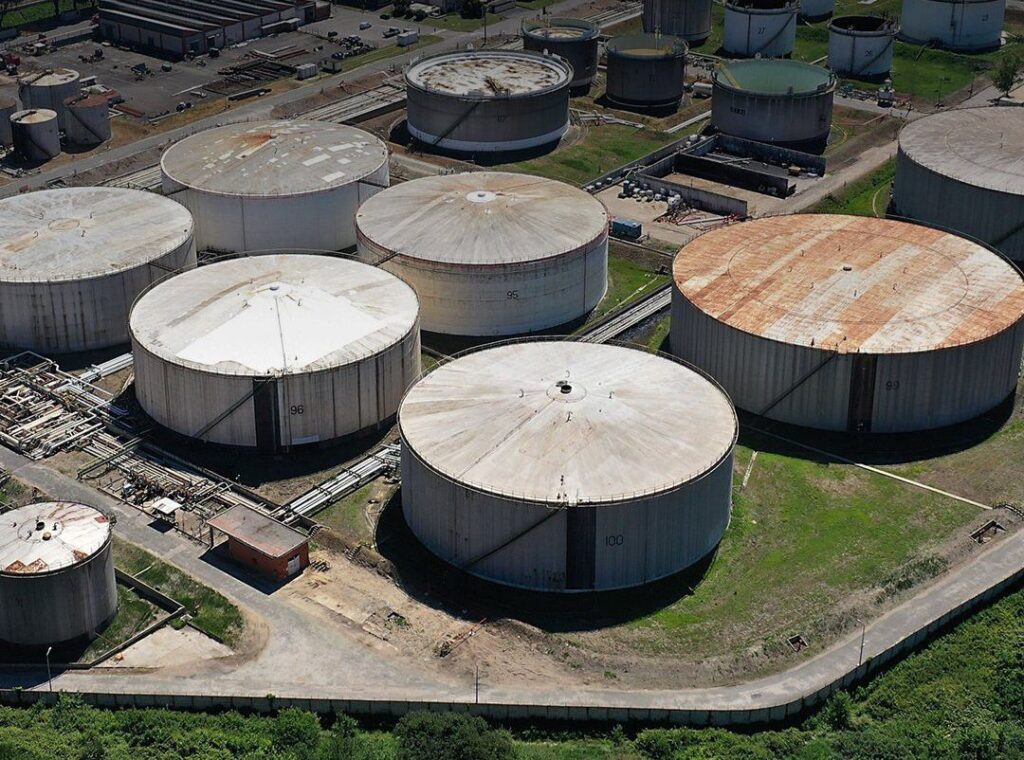
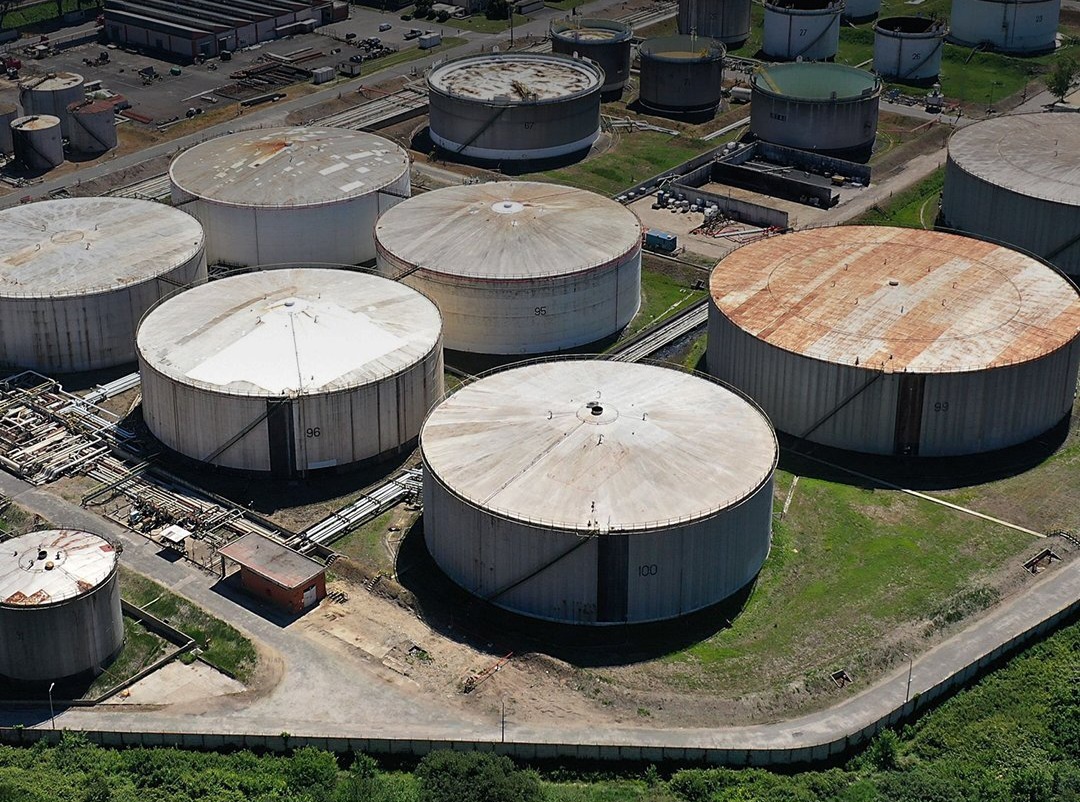
Global oil prices climbed sharply after Iran declared that conditions in the Strait of Hormuz would not return to their previous state, marking a significant escalation in geopolitical tensions and market uncertainty.
Tehran’s remarks, coupled with accusations that the United States has undermined diplomatic trust, have raised alarms among investors and policymakers alike. The Strait of Hormuz—one of the world’s most critical energy corridors—handles a substantial share of global oil shipments, making any disruption a major concern for supply chains worldwide.
Energy markets reacted swiftly, with crude prices rising as traders priced in the risk of prolonged instability. Analysts suggest that beyond immediate supply fears, the deeper concern lies in the possibility of a long-term shift in how the waterway operates. If restrictions or unpredictability persist, it could reshape global trade routes and increase costs across multiple industries.
As diplomatic tensions continue to unfold, attention remains fixed on whether negotiations can restore confidence—or if the region is entering a more volatile and unpredictable phase that could redefine the global energy landscape.