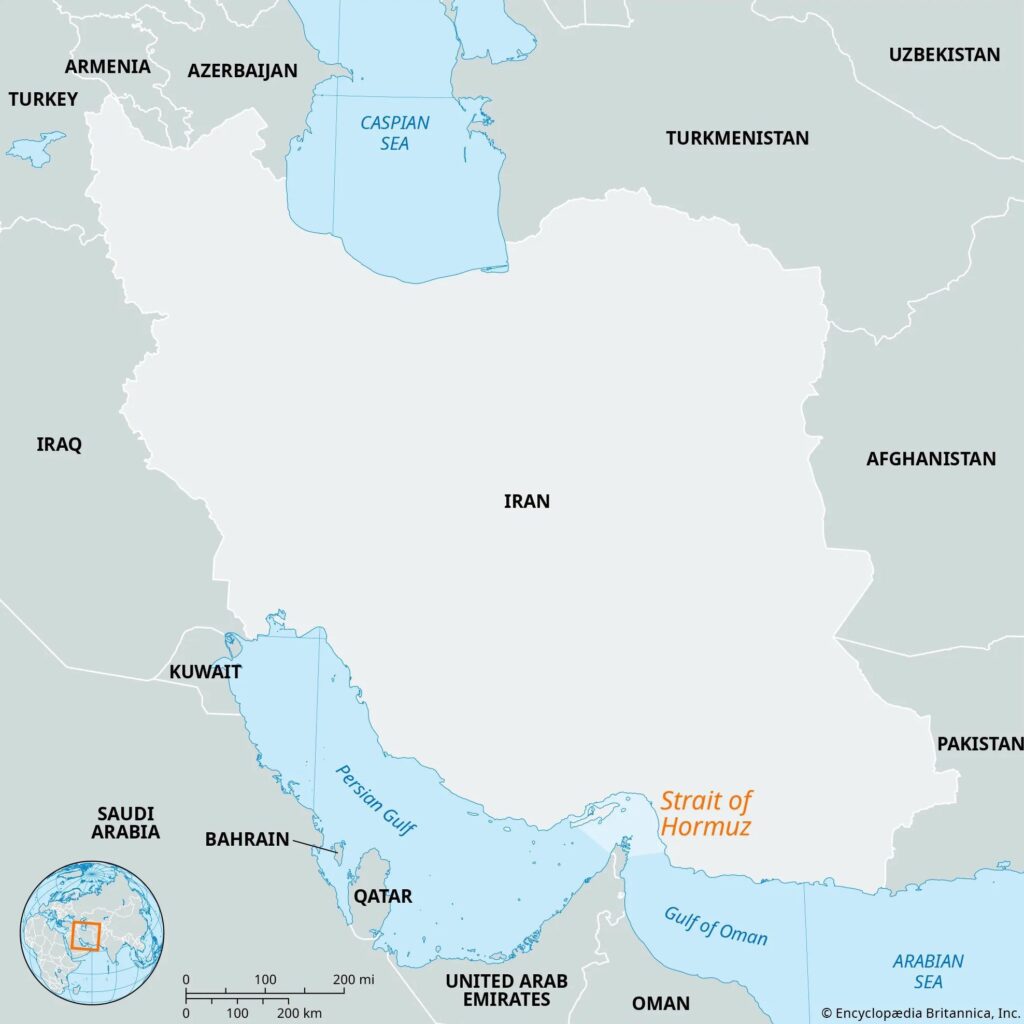
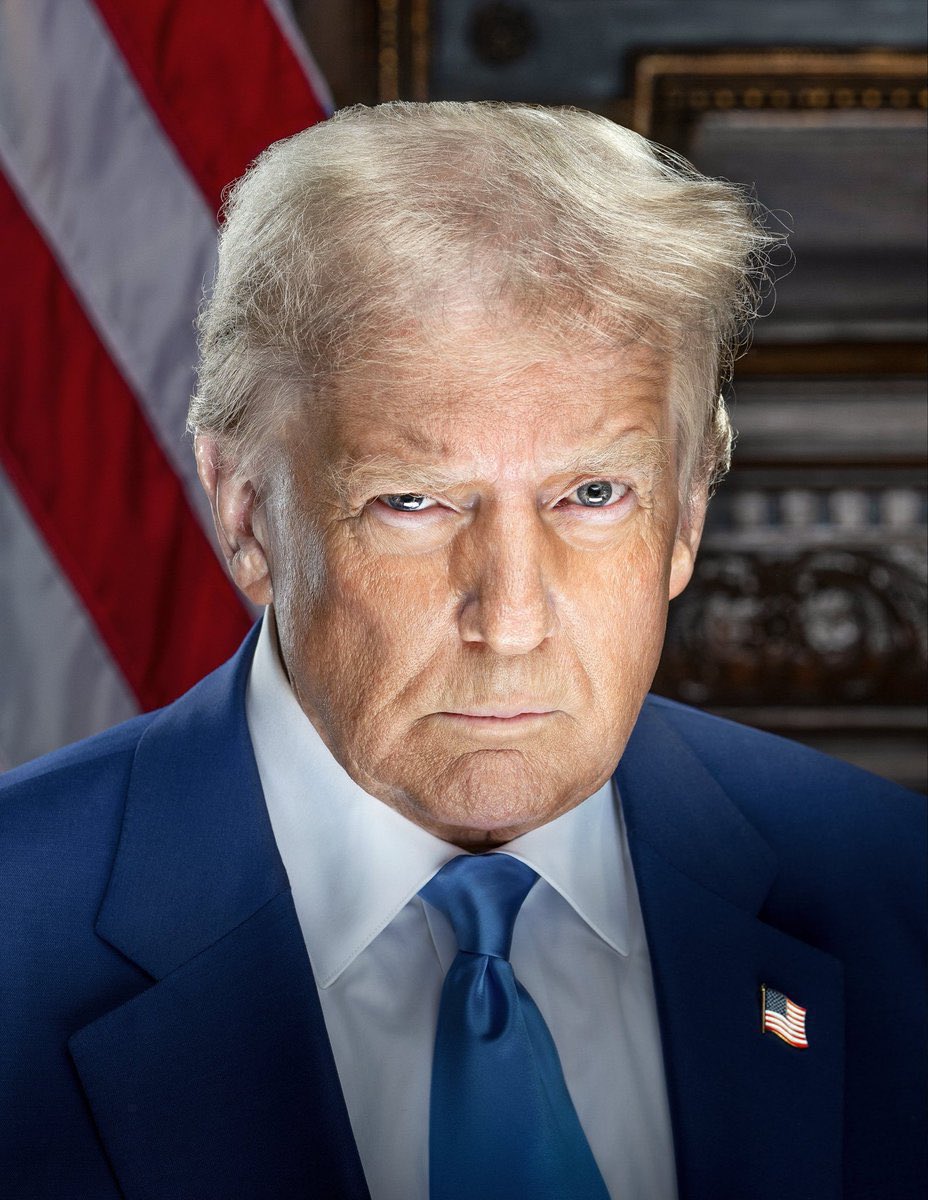
U.S. President Donald Trump has announced that the United States will begin blockading ships attempting to enter or leave the Strait of Hormuz, a critical global oil transit route.
Why the Strait Matters
The Strait of Hormuz is one of the most important chokepoints in the world:
• Roughly 20% of global oil supply passes through it
• It connects major oil producers in the Middle East to global markets
• Any disruption can immediately impact fuel prices and global trade
What a Blockade Means
If enforced, the move could:
• Prevent commercial and energy vessels from passing through the strait
• Disrupt global oil shipments and supply chains
• Trigger sharp increases in fuel prices worldwide
Such a blockade would be considered an extreme geopolitical action, often associated with acts of war under international norms.
Potential Consequences
Experts warn the announcement could lead to:
• Heightened tensions with Iran and neighboring Gulf states
• Possible military confrontation in the region
• Economic ripple effects across global markets
Legal & Political Questions
The move raises major questions:
• Whether the U.S. has legal authority under international law to enforce such a blockade
• How allies and global organizations will respond
• Whether Congress would need to authorize further military action
Bottom Line
The announcement by Donald Trump signals a dramatic escalation in global tensions, with the Strait of Hormuz at the center of a potential geopolitical and economic crisis.