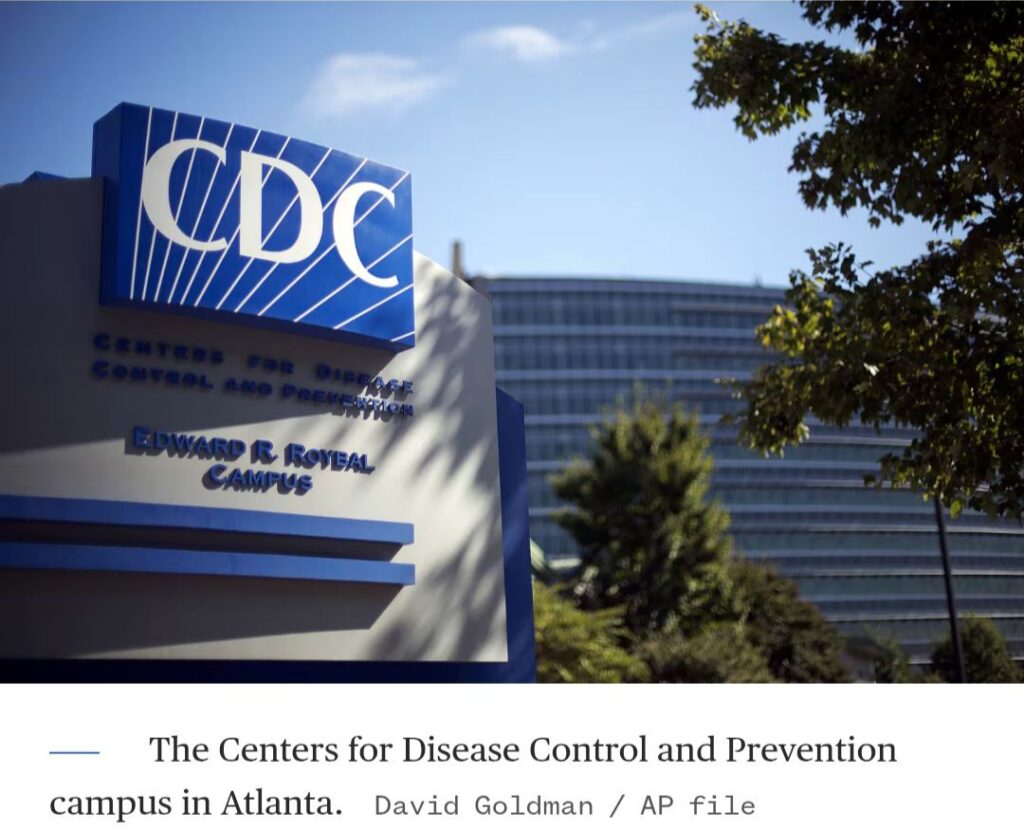
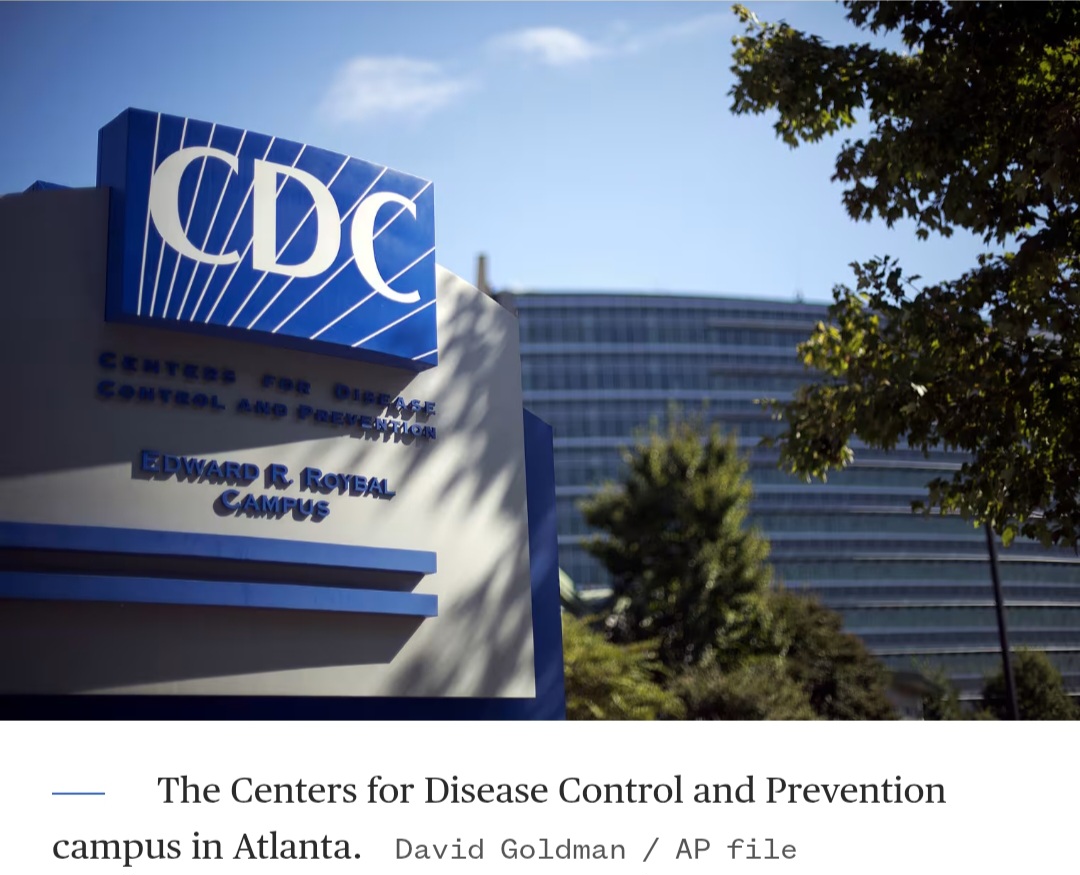
The Trump administration has announced the termination of approximately $600 million in federal grants allocated to the Centers for Disease Control and Prevention (CDC), a decision that could significantly reshape the landscape of HIV and sexually transmitted disease (STD) prevention in the United States. The funding cuts affect programs dedicated to HIV prevention, STD testing and treatment, and nationwide HIV surveillance systems used to monitor infection trends.
The eliminated grants have long supported a wide network of state health departments, community clinics, nonprofit organizations, and research institutions. These programs provide essential services such as free or low-cost testing, education campaigns, contact tracing, outreach to vulnerable populations, and early intervention efforts aimed at reducing transmission rates.
Public health experts warn that the impact of the cuts could be far-reaching. HIV and STD surveillance programs are considered a cornerstone of the country’s public health infrastructure, as they allow health officials to track outbreaks, identify high-risk communities, and allocate resources effectively. Without these systems, early detection of rising infection rates may become more difficult, potentially leading to delayed responses and wider spread.
Advocacy groups have expressed strong concerns, particularly about the effect on marginalized communities. LGBTQ+ populations, communities of color, low-income individuals, and young people are among the groups most reliant on federally funded prevention services. Many of these communities already experience disproportionately high rates of HIV and STDs, and public health leaders fear the funding rollback could widen existing health inequities.
Healthcare organizations receiving CDC grants are now facing uncertain futures. Some clinics report they may be forced to reduce services, lay off staff, or close altogether. Outreach programs that bring testing and education directly into schools, neighborhoods, and rural areas are also at risk of disappearing.
Critics argue that while the cuts may reduce short-term federal spending, they could ultimately result in higher long-term healthcare costs. Treating advanced HIV and chronic STD-related complications is significantly more expensive than preventing infections in the first place.
Public health economists warn that reduced prevention funding often leads to increased hospitalizations, greater reliance on emergency care, and higher national healthcare expenditures over time.
Supporters of the administration’s decision frame the move as part of a broader effort to streamline federal programs and shift responsibility to states and private organizations. However, many experts caution that few states have the financial capacity to replace funding on this scale, leaving large gaps in services.
As the cuts take effect, public health leaders are urging lawmakers to reconsider the decision or introduce alternative funding mechanisms. They warn that decades of progress in HIV awareness, testing access, and infection control could be reversed, placing millions of Americans at increased risk.
The $600 million funding rollback represents not just a budget change, but a pivotal moment for U.S. public health—one that could shape the country’s ability to manage HIV and STD prevention for years to come.