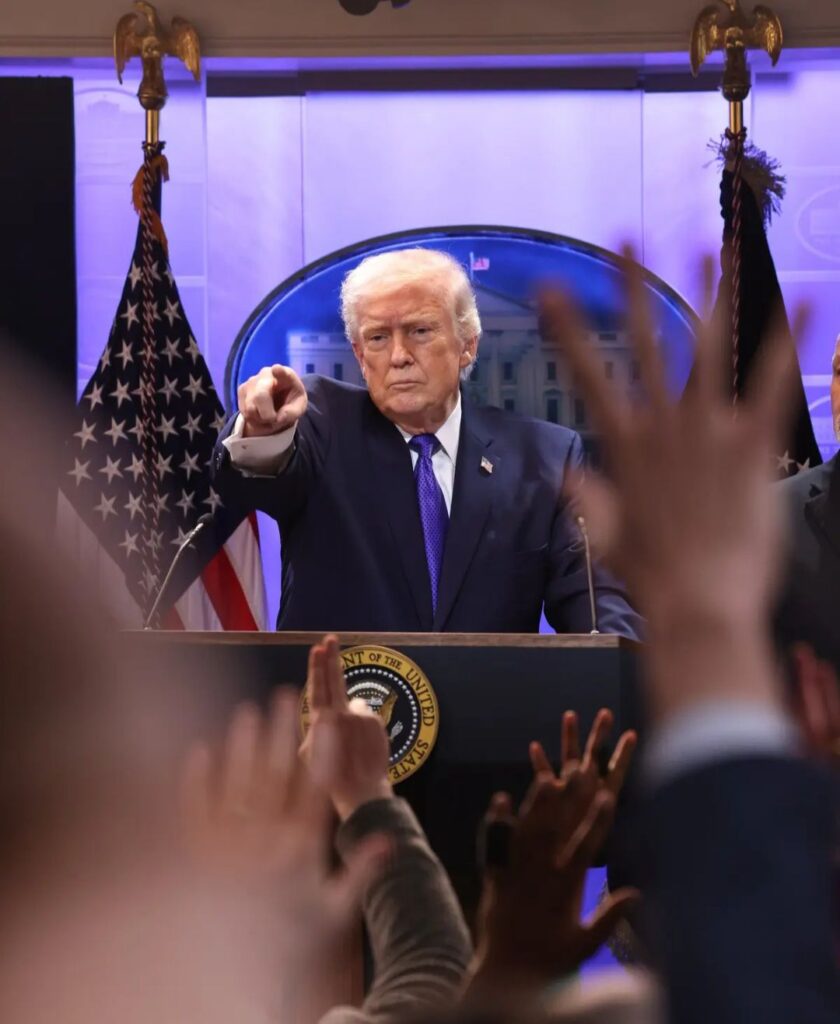
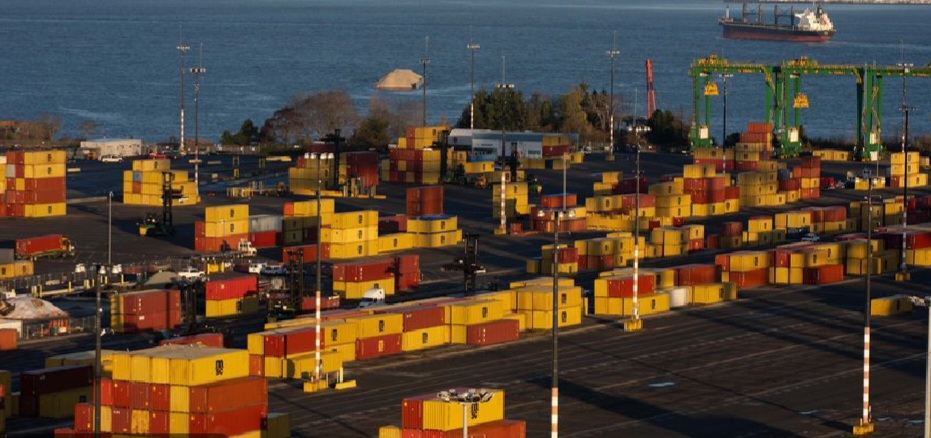
President Donald Trump has announced a sweeping new 10% tariff on nearly all imported goods, a dramatic move that comes after the Supreme Court of the United States struck down a key portion of his earlier tariff framework.
The decision marks a significant escalation in the administration’s trade strategy and sets the stage for another legal and economic battle over presidential authority and global commerce.
The Court’s Decision
The Supreme Court recently ruled that elements of Trump’s previous tariff regime exceeded executive authority, determining that the administration relied too broadly on emergency economic powers to impose sweeping import taxes without direct congressional approval.
At the center of the dispute was whether the president could unilaterally levy tariffs under statutes designed for national emergencies. The Court’s majority opinion reinforced Congress’s constitutional authority over taxation and trade policy, dealing a blow to the administration’s long-standing approach to reshaping U.S. trade relationships.
A New 10% Global Import Tax
In response, Trump quickly announced a new blanket 10% tariff on imports, invoking a different legal mechanism to justify the move. The administration framed the measure as temporary but necessary to protect American manufacturing, reduce trade deficits, and generate federal revenue.
“This is about fairness,” Trump said in remarks following the announcement. “For too long, other countries have taken advantage of the United States. We’re leveling the playing field.”
The new tariff would apply broadly across consumer goods, industrial materials, and finished products entering the U.S., potentially impacting everything from electronics and automobiles to clothing and household items.
Economic Implications
Economists are divided on the potential consequences. Supporters argue the policy could incentivize domestic production, strengthen American industry, and reduce reliance on foreign supply chains. Critics warn that broad-based import taxes typically raise costs for businesses and consumers, potentially fueling inflation.
Retailers and manufacturers that rely on global sourcing may face higher input costs, which could be passed on to shoppers. Meanwhile, U.S. exporters could face retaliatory tariffs from trading partners, reigniting trade tensions.
Global markets reacted cautiously, with analysts noting that the uncertainty surrounding legal challenges and possible countermeasures from other nations could affect investment decisions and supply chain planning.
Political and Legal Fallout
The move is likely to spark additional legal challenges, as critics question whether the administration’s new authority will withstand judicial scrutiny. Lawmakers on Capitol Hill are also weighing their options, with some members of Congress arguing that trade policy should remain firmly within legislative control.
Supporters of the president view the tariff as a bold assertion of economic sovereignty. Opponents characterize it as an attempt to sidestep the Court’s ruling while expanding executive power.
What Comes Next?
Much will depend on how long the new tariff remains in effect and whether Congress intervenes. If the measure is upheld, it could reshape global trade relationships and redefine the scope of presidential authority over economic policy.
For now, businesses, investors, and international partners are watching closely as the U.S. enters another chapter in its evolving trade strategy.