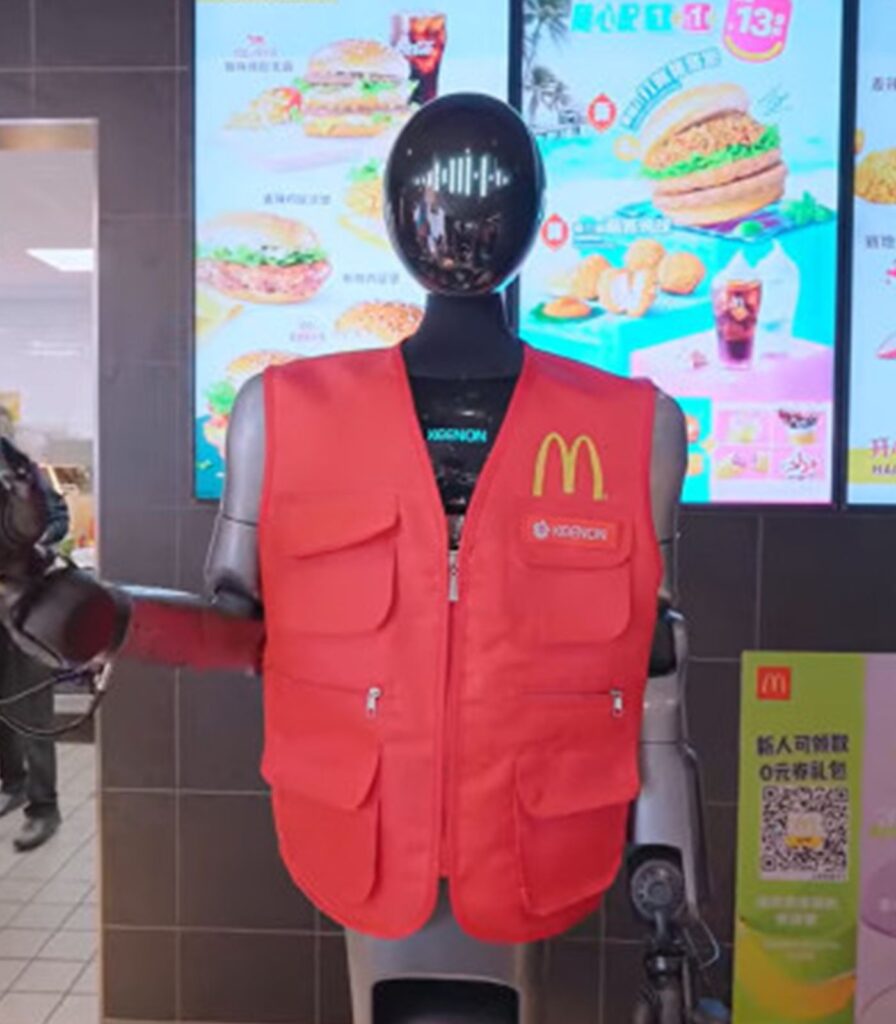
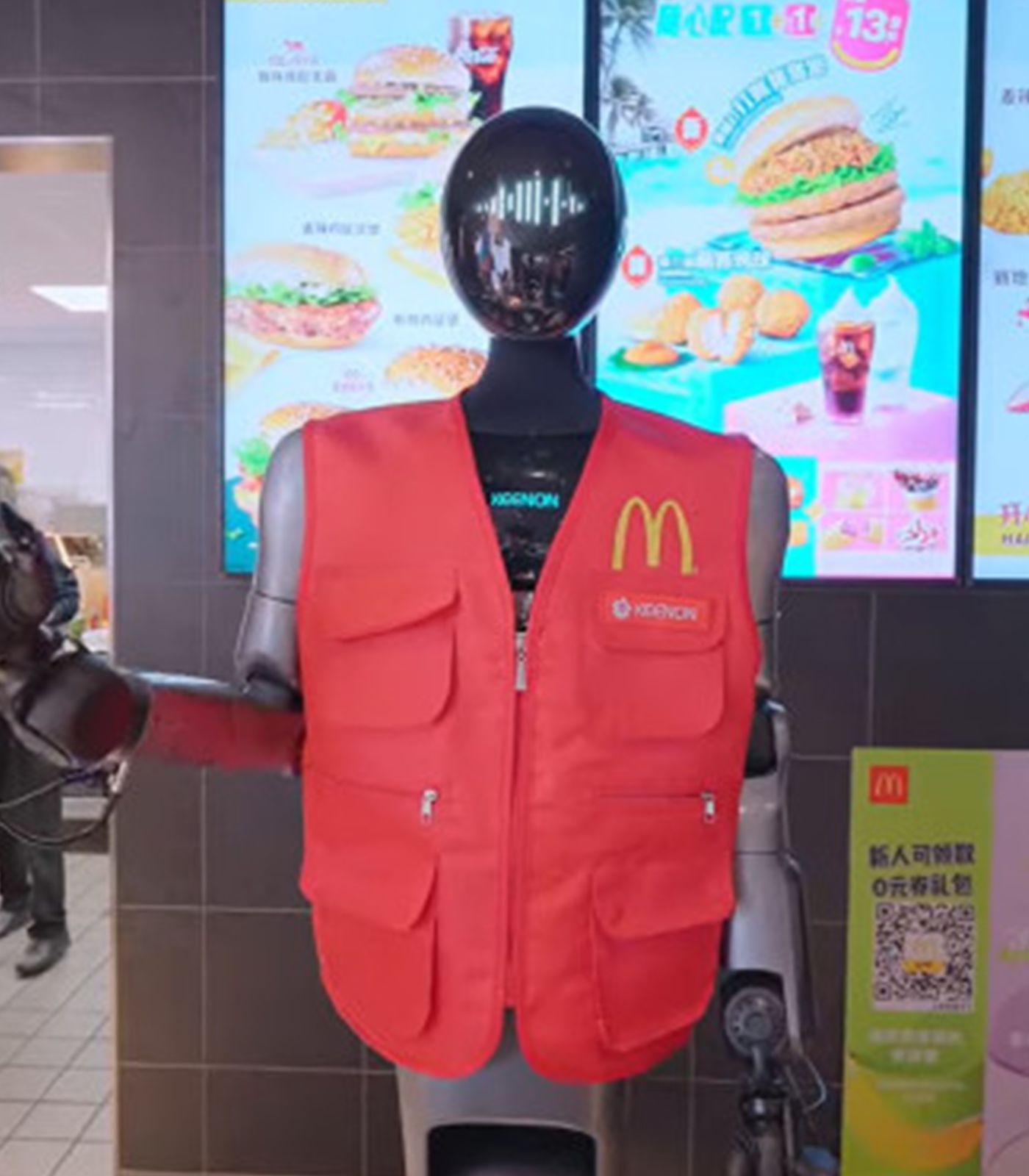
In a glimpse of the future of fast food, McDonald’s is testing robot workers at one of its locations in China, blending automation with traditional service roles.
How It Works
At the pilot store, robots are taking on front-of-house responsibilities, including:
• Greeting customers upon arrival
• Delivering food directly to tables
• Assisting with basic customer interactions
Meanwhile, human employees continue to handle cooking and food preparation, ensuring quality and consistency remain unchanged.
A Hybrid Workforce
Rather than replacing staff entirely, the test reflects a hybrid model—where technology enhances efficiency while people focus on core tasks. This approach allows:
• Faster service times
• Reduced workload for employees
• A more interactive customer experience
Why China?
Launching the test in China makes strategic sense, as the country is a global leader in automation and AI adoption, with consumers often more open to tech-driven experiences in everyday life.
The Bigger Trend
McDonald’s isn’t alone—restaurants worldwide are experimenting with robotics to address:
• Labor shortages
• Rising operational costs
• Demand for faster, more seamless service
What It Means for the Future
If successful, this model could expand to other markets, signaling a shift in how fast-food chains operate globally. However, it also raises ongoing questions about:
• The future of entry-level jobs
• Customer preference for human vs. automated service
• The balance between efficiency and personal touch
For now, the experiment offers a clear message: the future of dining may not be fully automated—but it’s increasingly tech-assisted.