The Grant family has a specific hope for the next thirty years: that a family in metro Detroit will point to a painting on its wall and tell the story of the day it bought its first piece at Umoja Fine Arts. The gallery celebrates its 30th anniversary this month, and its founders are using the occasion to press a case they have made since 1996: Black art belongs in family portfolios, not only on family walls.
Umoja Fine Arts will host its 30th Anniversary Celebration on Friday, November 20, 2026, from 5 to 9 p.m., and Saturday, November 21, from 1 to 6 p.m., at the Crossroads Building, 16250 Northland Drive, Suite 102, in Southfield, Michigan. Longtime partners, artists, and supporters will receive a commemorative anniversary pin, and the weekend’s walls will carry the names that built the gallery’s reputation.
From Annie Lee to Charly Palmer
Umoja’s history starts with trust extended early. The late Annie Lee gave the young gallery its first major art, a gesture that opened the door for other artists to exhibit. A longstanding relationship with Paul Goodnight followed. In the last five years, Rosemary Summers and Marcel Stewart have helped carry the program forward.
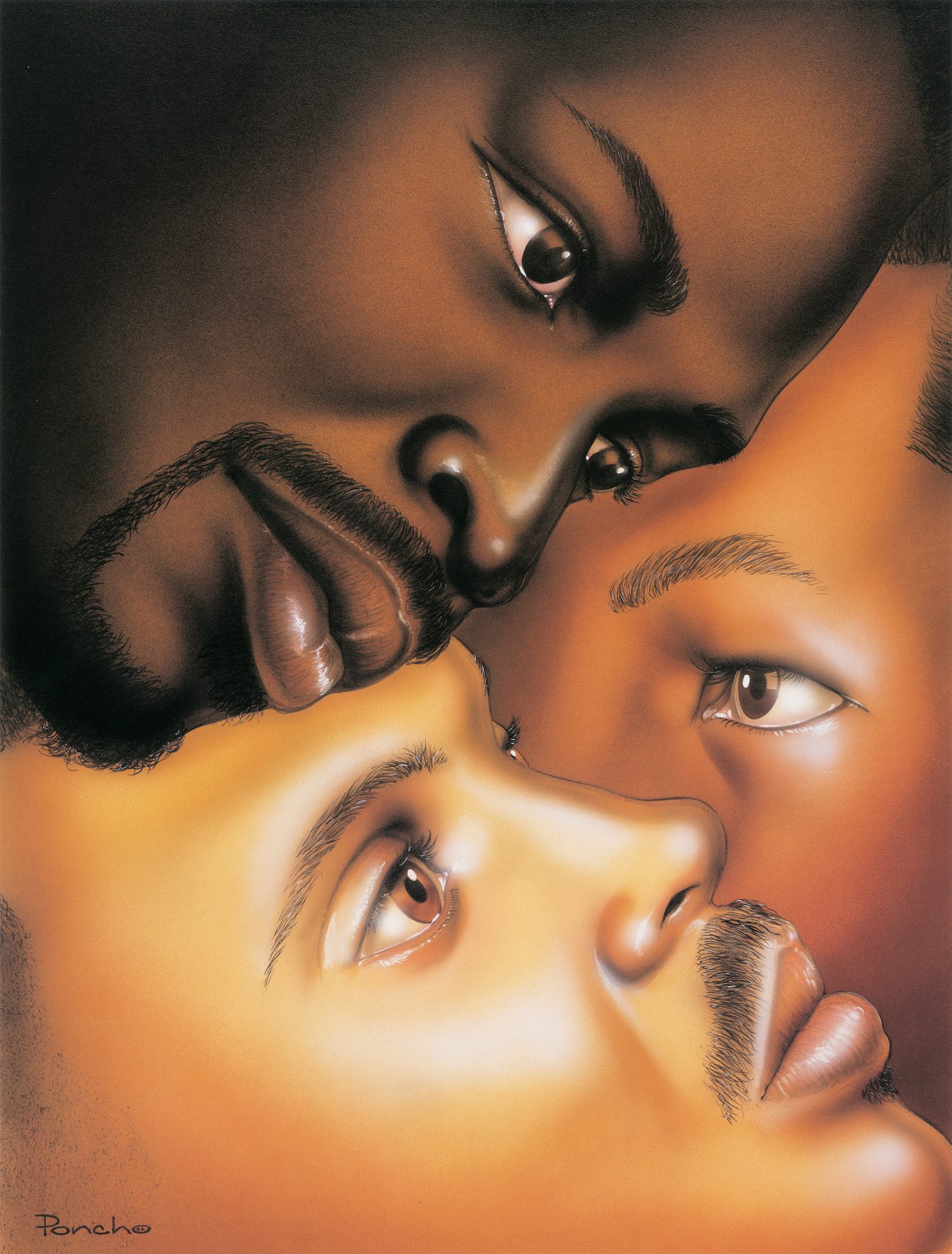
The anniversary show gathers that lineage in one room: David Haygood Jr., Annie Lee, Paul Goodnight, Larry Poncho Brown, Marcel Stewart, Rosemary Summers, Dr. Thomas Lockhart, Marcus Glenn, Shirley Woodson Reid, Charly Palmer, Della Wells, Jerry Lynn, and Abe Ilo. On Saturday, Stewart speaks on contemporary abstract art at 3 p.m. and Summers on figurative surrealism at 3:45 p.m. Dr. Lockhart signs his book on both days.
The Case the Grants Make to First-Time Buyers
“When families purchase Black art, they have an opportunity to begin a legacy,” said founder and CEO Ian Grant. “That art piece can become an asset they pass down to their children, along with an understanding of the artist, the history behind the work and its value. Helping people recognize that possibility has been central to what I want Umoja to accomplish.”
His wife, Tanji Grant, has run marketing, hospitality, and day-to-day operations, and she works the other side of the same door: the hesitation of a first-time buyer standing in a gallery doorway. “We want people to feel comfortable walking into a gallery and asking questions,” she said. “A first purchase can open the door to a lifelong interest in collecting. Thirty years from now, we want families to be able to point to a piece of art in their home and tell the story of how their collection began at Umoja.”
The argument has two parts, and the Grants make both. A collection can hold and grow value across generations, and buying from Black artists keeps money and careers inside the community that produced the work.
A Family Business, Literally
Umoja is family-owned in the working sense. Ian and Tanji Grant’s sons, Ian II and Brandon Grant, grew up assisting at the Southfield gallery. The gallery’s name means “unity,” and its programs reach past its collector base: its 2025 Black History Month Youth Artist Workshop put young creators in rooms with professional artists and hung their work.
Admission to the anniversary weekend is open, parking is free, and the gallery can be reached at 248-773-9008 and umojafinearts.com.
Thirty years in, the pitch has not changed, because the Grants never treated it as a pitch. It is an instruction, offered to any family willing to start: buy the work, learn the artist, keep the story, and hand down all three.
The Social Register’s event directory tracks the season’s galas, benefits, and society evenings. Plan your next evening there.