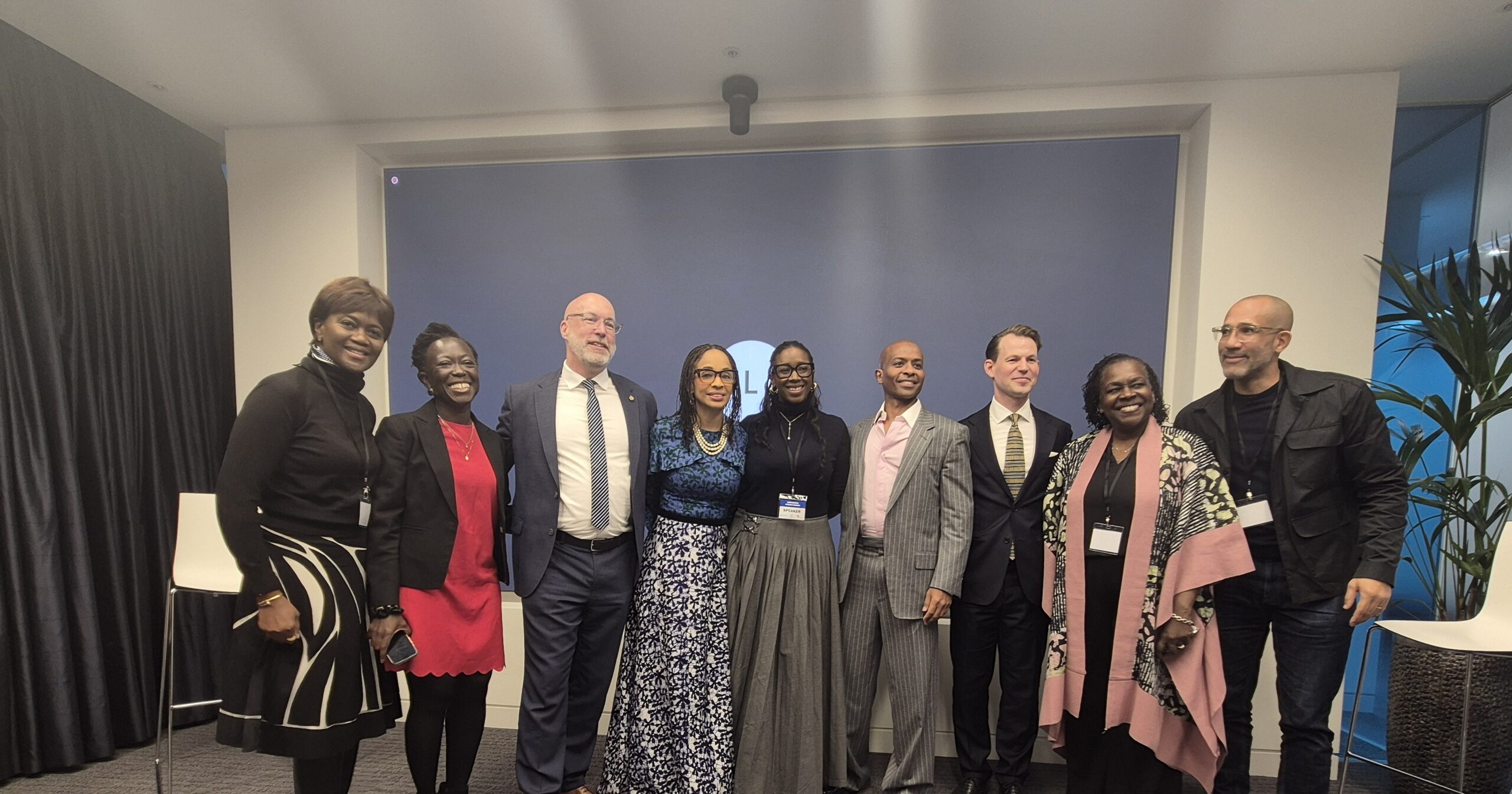
The room sat on Gresham Street in the City of London, inside the offices of ICBC Standard Bank, and the question on the table on October 23 was an old one asked in a new way: what happens to African money after it is sent home?
The gathering, titled Stewarding African Wealth: Catalyzing Diaspora Philanthropy for Development, was convened by Wealth4Impact with the African Foundation for Development (AFFORD) and Standard Bank. Bankers, foundation advisers, family office principals and philanthropists spent the day on the mechanics of structured giving, the trusts, foundations and governance rules that turn a family’s generosity into an institution. BEN Television, which covered the summit, reported a room focused less on how much African wealth holders give than on how long their giving can be made to last.
That is the shift worth watching. Remittances already move at a scale no aid program matches, and the families sending them are beginning to ask the questions American philanthropy asked a century ago: who decides, under what rules, and what survives the founder?
The money is already moving
The summit worked with an estimate of more than $110 billion a year in remittances from Africans abroad, money sent to parents, siblings, school fees and village projects. Participants were careful to separate that flow from philanthropic capital. A remittance keeps a household running. Philanthropy, organized well, builds the school itself.
AFFORD has worked that seam since 1994. The London-based foundation exists to expand and strengthen the contributions Africans in the diaspora make to development at home, and its presence as a co-convener signaled the summit’s intent: this was not a conference about charity appeals, but about financial architecture.
Standard Bank’s Will Groat, who heads West Africa for the bank’s personal and private banking international arm, welcomed the room and made the banker’s version of the argument: families moving money across borders need institutions that can manage wealth in more than one country and deploy it with a plan. Jonathan Sprigg, who leads international fiduciary services at Standard Bank Offshore, laid out the instruments, charitable trusts and long-term funding structures that can keep a family’s giving financed for decades rather than for a season.
Governance before generosity
Ndidi Okonkwo Nwuneli, who co-founded Wealth4Impact, pressed the room on responsibility. African wealth holders, she argued, have to build durable development structures of their own instead of depending primarily on international donors. Her organization works from a blunt diagnosis published on its own site: most family businesses do not survive the first generation, and foundations built on a founder’s effort falter when succession arrives. Wealth4Impact’s stated mission is to help families move from first-generation wealth to multi-generational impact, converting generational wealth into sustainable philanthropy.
Bimpe Nkontchou, founder and managing principal of W8 Advisory, a London multi-family office for African entrepreneurs and their families, put governance ahead of generosity. Effective giving, she said, starts with sound wealth governance: families should establish trusts and professionally managed structures, and African governments should offer stronger tax incentives for charitable contributions. She also noted a generational turn. Younger wealth holders increasingly ask for transparency and results they can see.
Nkontchou has said the same thing in her own words: she is passionate about “supporting the conflict-free transfer of a family business or wealth assets to the next generation; something which is still not being achieved successfully by many African families.” A qualified trust and estates practitioner, she also co-founded Wealth8, the digital investment platform built for the African diaspora. Her summit message and her practice point the same direction. Sentiment does not transfer wealth. Structure does.
Hosh Ibrahim, an adviser to the Mo Ibrahim Foundation, argued for collaboration over individual recognition, urging philanthropists to pool financing behind local organizations working on energy access, climate resilience, healthcare and governance.
What three decades of family giving looks like
The day’s most persuasive evidence came from people who have already done the unglamorous work. Boko Inyundo described a family-supported initiative in western Kenya that has run for three decades across clean water, youth development, education and sport: one family’s commitment, renewed long enough to become a fixture in the life of a place.
From Nigeria, Didi Etomi, a trustee of the Zacchaeus Onumba Dibiaezue Memorial Libraries, described a network of 55 libraries across seven states, built with schools, public institutions and correctional facilities. The libraries began as a family’s memorial to a self-taught man who rose from a farming background to become a bank’s first company secretary through reading. His widow and daughters built the institution in his name, choosing libraries over a monument.
Tsitsi Masiyiwa joined by video and spoke about her family’s education work. She also represents the newest instrument in the room. RemitHope, the digital giving platform she founded, channels diaspora remittances into verified community projects and matches donations. Its first campaign, after a fire destroyed the Mount Selinda Orphanage in Zimbabwe, drew more than 1,000 donors in ten countries, raised over $40,000 and doubled it through matching funds to just over $81,000. Masiyiwa has set the platform a target that matches the summit’s whole argument: “$50 million in the next five years.”
The Social Register’s event directory tracks the season’s galas, benefits, and society evenings. Plan your next evening there.