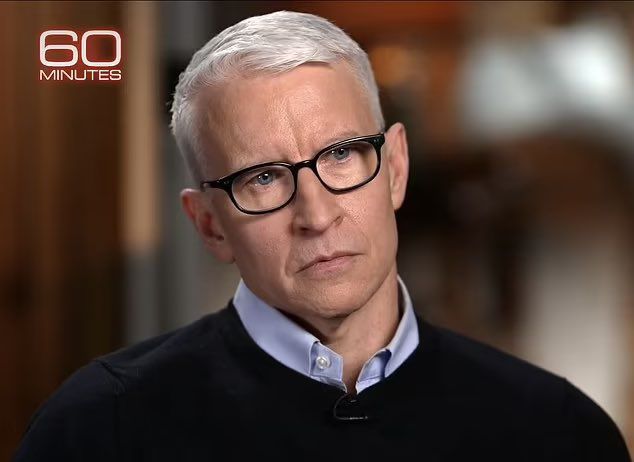
Veteran journalist and television anchor Anderson Cooper is officially stepping away from 60 Minutes after nearly two decades with the iconic news magazine, bringing one of the most recognizable eras in modern broadcast journalism to a close.
Cooper, who joined 60 Minutes in 2006, became one of the show’s most trusted and high-profile correspondents, known for his calm demeanor, emotional intelligence, and fearless reporting from some of the world’s most dangerous and historic locations.
A Defining Chapter in Television News
Over the past 18+ years, Cooper covered major global events, including wars, natural disasters, political upheavals, humanitarian crises, and high-profile investigations. His reporting took viewers from conflict zones in the Middle East to hurricane-ravaged communities in the U.S., and from presidential interviews to deeply personal human-interest stories.
Cooper’s style—empathetic yet rigorous—helped redefine what modern television journalism could look like, blending traditional investigative reporting with emotional storytelling that resonated with a new generation of viewers.
A Legacy of Impact
During his time at 60 Minutes, Cooper earned multiple Emmy Awards and journalism honors, and helped the program maintain its position as one of the most respected and watched news shows in the world. His interviews with world leaders, activists, and cultural figures often went viral, shaping national conversations and public opinion.
Colleagues and industry insiders describe Cooper’s departure as “the end of a defining chapter” for the long-running program. Few journalists in the digital era have managed to build the same level of credibility, global recognition, and emotional connection with audiences.
What’s Next for Anderson Cooper?
While Cooper has not announced a full retirement from journalism, sources suggest he plans to focus more on long-form storytelling, documentary projects, podcasting, and his work with CNN, where he remains a central figure.
He has also expressed interest in spending more time with his children and pursuing projects that allow fordeeper, more personal narratives beyond the weekly news cycle.
A Cultural Moment
Cooper’s exit reflects a broader shift in the media landscape, as legendary broadcast institutions adapt to streaming, digital platforms, and changing audience habits. His departure leaves a major gap at 60 Minutes—not just in ratings, but in journalistic identity and voice.
For millions of viewers, Anderson Cooper wasn’t just a correspondent—he was a symbol of trust, compassion, and credibility in an era often dominated by misinformation and polarized media.
End of an Era
After nearly 20 years, Cooper leaves behind a legacy defined by courage, empathy, and journalistic excellence. His departure marks more than a career move—it signals the closing of a chapter in American television history.
Whether on cable news, documentaries, or new platforms yet to come, one thing is certain: Anderson Cooper’s voice will continue to shape how stories are told—and how the world understands itself.