
An open letter signed by some of the most recognizable names in Black civic life is asking the Congressional Black Caucus Foundation to give back a sponsor’s money. The sponsor is Palantir Technologies, and its name sat near the top of the supporter rolls at the foundation’s Annual Legislative Conference in September.
The signers include Color of Change president Rashad Robinson, Black Voters Matter co-founder LaTosha Brown, the Rev. Jamal Bryant, activist Tamika Mallory, broadcaster Joy-Ann Reid, and Working Families Party national director Maurice Mitchell. Their letter calls Palantir an “injustice machine” and asks the foundation to reject the company’s funding outright, including its sponsorship of the conference. One sentence carries the argument: “There is a difference between making compromises and being compromised.”
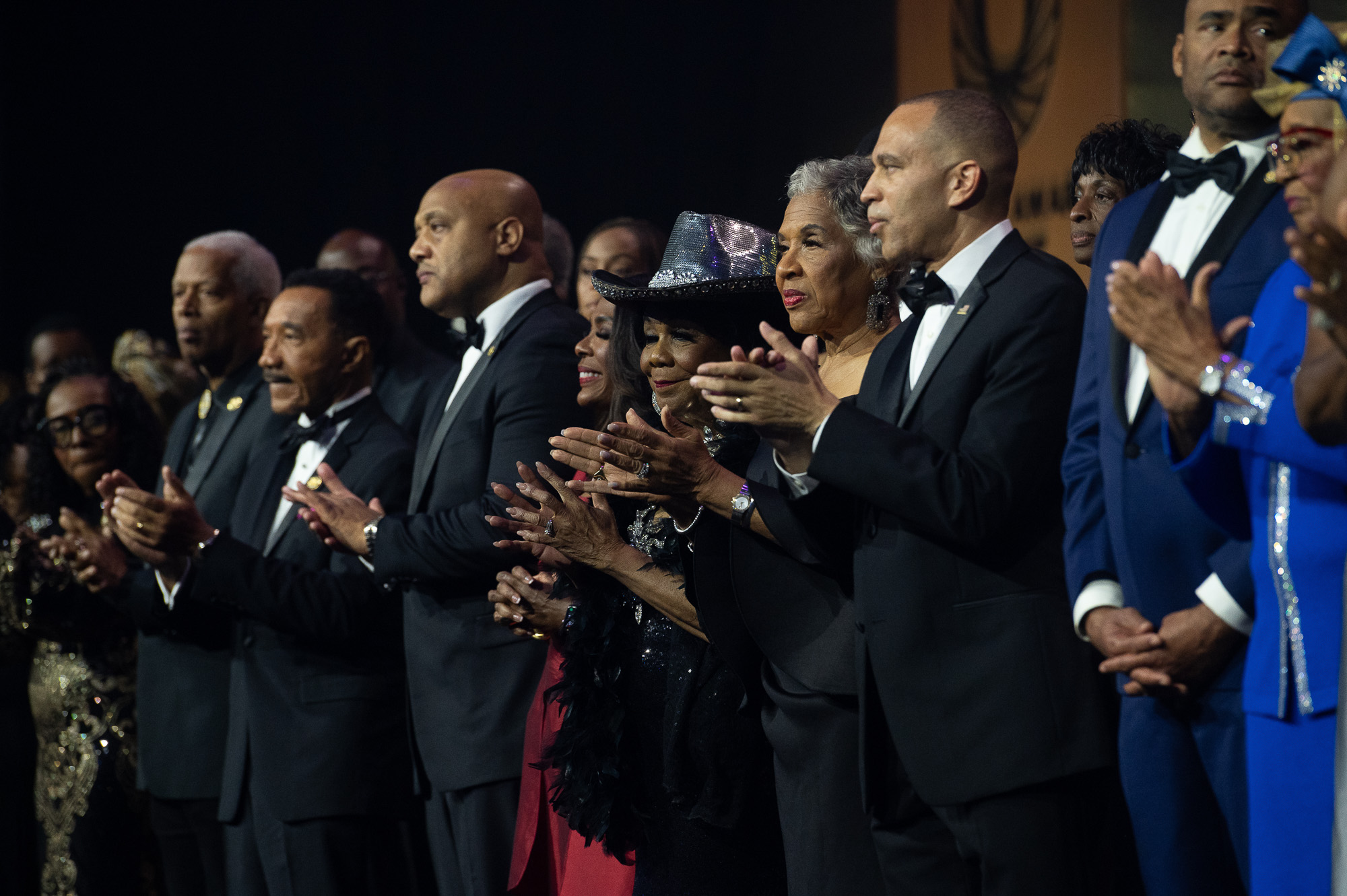
What Palantir received for its support was visibility in the rooms where Black political power gathers. The company was billed as a top supporter of the conference, with its name on signage at the Walter E. Washington Convention Center and around the Phoenix Awards Dinner, the black-tie centerpiece of the week. The support was described as funding for the foundation’s internship and fellowship programs and for building its capacity around technology and innovation.
Robinson added a detail that has followed the story since it broke. At the conference, he wrote, Palantir’s logo appeared on a banner of top supporters set over a portrait of Shirley Chisholm, the founding caucus member whose standard for public life was to be “unbought and unbossed.”
The letter rests on what Palantir does. Its software works inside predictive policing programs and immigration enforcement, including the surveillance and deportation operations the signers say fall hardest on Black and brown communities. The letter also points to cuts in diversity-related grants and to support for President Trump among the company’s leadership. Mitchell, in a companion essay, argued that the sponsorship was never really about the fellowships: a company whose products police Black neighborhoods was purchasing standing in Black Washington, and the price was a logo.
The signers are not the first to run this calculation. Weeks before the conference, Palantir bought a table at the Congressional Hispanic Caucus Institute’s annual gala. The institute returned the money and ended the relationship. The letter asks the CBC Foundation to do the same, and the signers, Robinson among them, say they made the request privately first and received no meaningful response before going public.
The timing gives the dispute its weight. The foundation is marking its 50th year as the caucus’s research and leadership arm, led by president and chief executive Nicole Austin-Hillery, in a season when Republican-led redistricting threatens seats held by Black lawmakers. The signers stress their support for the caucus on exactly that point. Inside the caucus itself, the question is not new: in April, ten members signed a letter raising concerns about Palantir’s technology. The foundation has announced no change in the sponsorship since the letter became public.
Every gala season runs on other people’s money, and every institution in this world keeps a mental list of checks it would rather not be seen cashing. The letter’s real demand is that the foundation say, out loud, where Palantir falls on that list. Chisholm set the terms fifty years ago, and her portrait was already hanging over the banner.
The Social Register’s event directory tracks the season’s galas, benefits, and society evenings. Plan your next evening there.