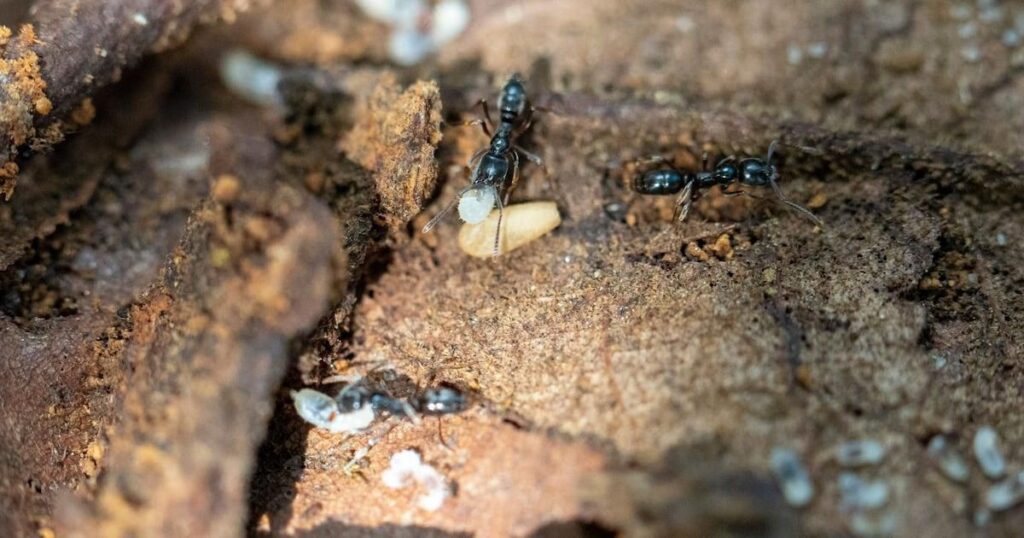
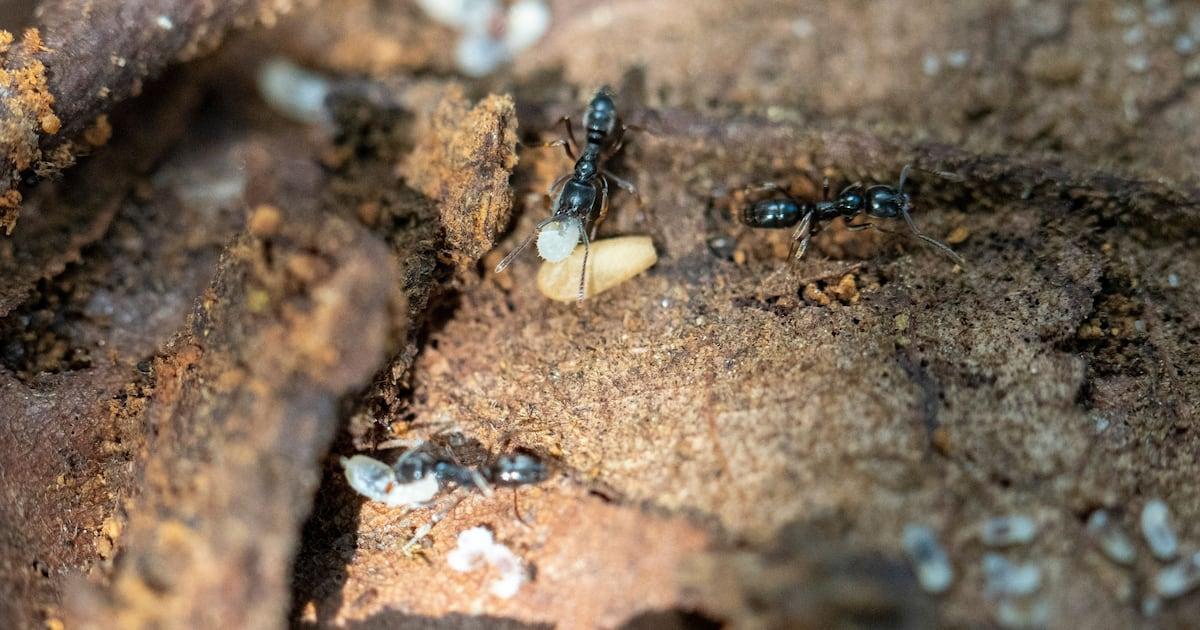
Health officials are warning about the growing presence of the Asian needle ant in Georgia, an invasive species capable of delivering a painful—and potentially dangerous—sting.
What Makes It Dangerous
• The sting can trigger severe allergic reactions, including anaphylaxis
• Unlike fire ants, they are less aggressive, but more medically concerning
• Often go unnoticed until someone is stung
Where They’re Found
The Asian needle ant typically lives in:
• Mulch, leaf litter, and rotting wood
• Shaded outdoor areas like gardens and wooded spaces
• Sometimes even inside homes
Symptoms to Watch
After a sting, seek medical attention if you experience:
• Severe swelling or difficulty breathing
• Dizziness or rapid heartbeat
• Signs of an allergic reaction
How to Stay Safe
• Wear gloves when gardening or handling mulch
• Avoid disturbing nests in shaded, damp areas
• Call pest control if you suspect an infestation
• Those with allergies should carry emergency medication if prescribed
Bottom Line
The emergence of the Asian needle ant in Georgia is raising alarms due to its potentially life-threatening sting—making awareness and prevention key.