
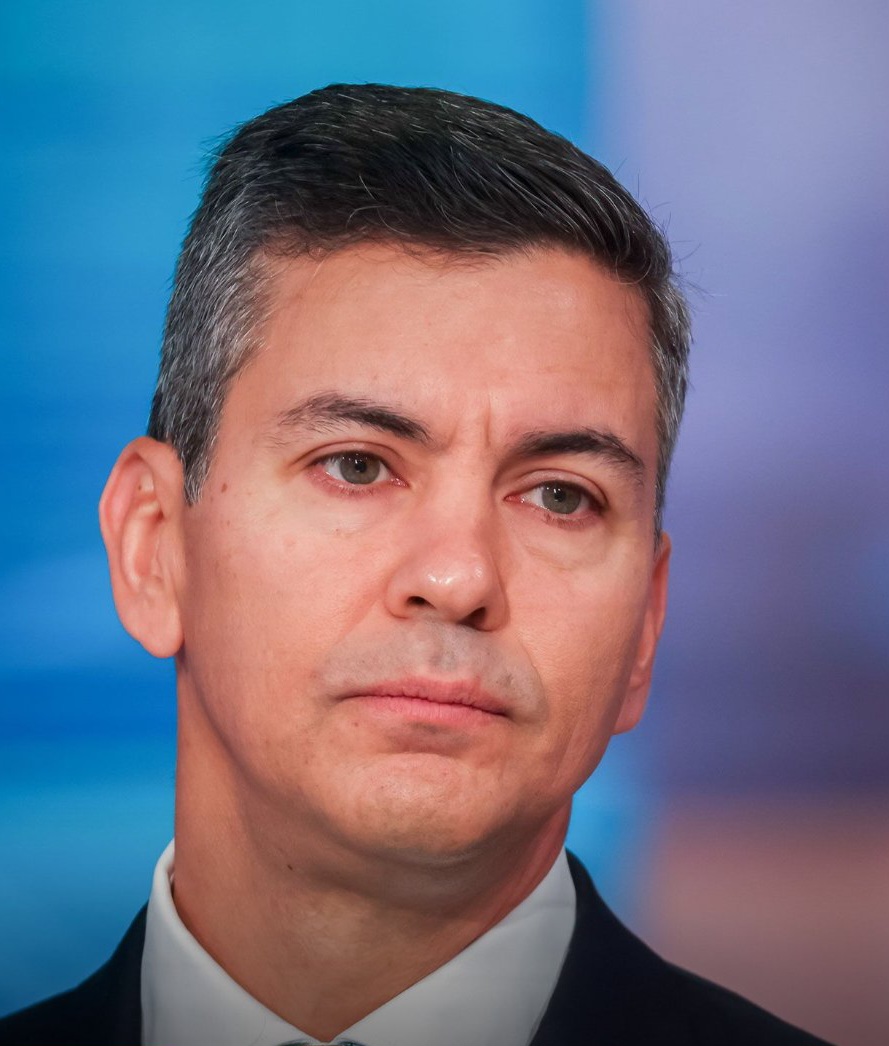
Paraguayan President Santiago Peña announced his resignation on Thursday, November 5, following a major financial and political crisis triggered by the collapse of digital lender Ueno Bank, which left approximately three million customers unable to access their accounts and savings.
Peña, who has served as president since 2023, announced his decision in a recorded address, saying he was acting in the interest of national stability, social peace and the country’s democratic institutions. His resignation came as political pressure mounted and lawmakers prepared impeachment proceedings against him.
However, the resignation did not immediately end the political crisis. Paraguay’s Congress refused to accept it, while the lower house voted unanimously to advance impeachment proceedings. The Senate also began the process of considering the case, leaving Peña’s political future uncertain.
At the center of the controversy is Ueno Bank, a rapidly expanding digital lender that reportedly served around three million customers in a country of approximately 6.5 million people. The Central Bank of Paraguay intervened after determining that the institution had fallen below the legally required solvency level. The collapse disrupted access to deposits, payments and pension-related funds.
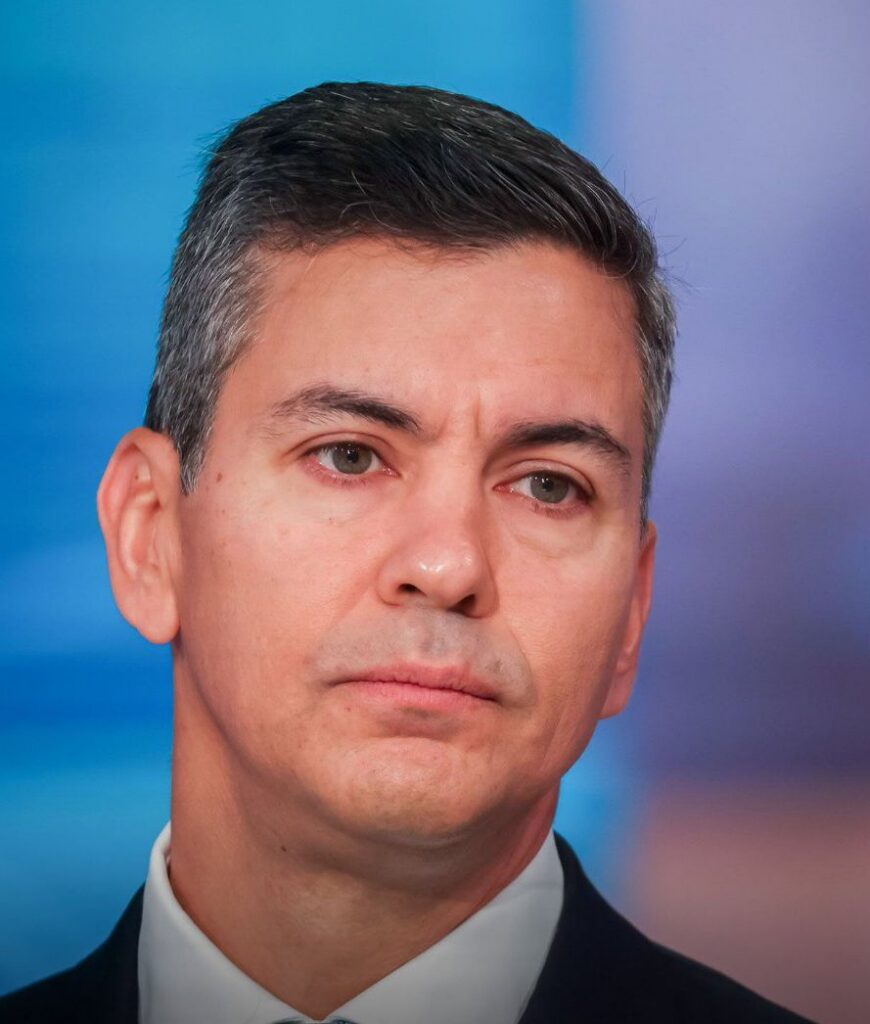
The bank also administered approximately $850 million in public funds. Its rapid expansion and alleged lending to businesses connected to its controlling shareholder raised serious questions about regulatory oversight and the handling of public money.
Peña has faced accusations of conflicts of interest because of his previous shareholding in Grupo Vázquez, the business group associated with Ueno. He has denied wrongdoing and maintained that he sold his stake in March 2025. Prosecutors have opened investigations into the bank’s collapse, while arrest warrants were issued for several executives.
The crisis has also forced the resignation of Central Bank chief Carlos Carvallo and sparked protests from customers demanding access to their money. Authorities have begun efforts to transfer remaining customer accounts and address the disruption, while the government has pledged to protect depositors and public funds.
The unfolding situation has become one of Paraguay’s most serious recent financial and political crises, raising questions about banking regulation, institutional accountability and the protection of ordinary citizens’ savings.