
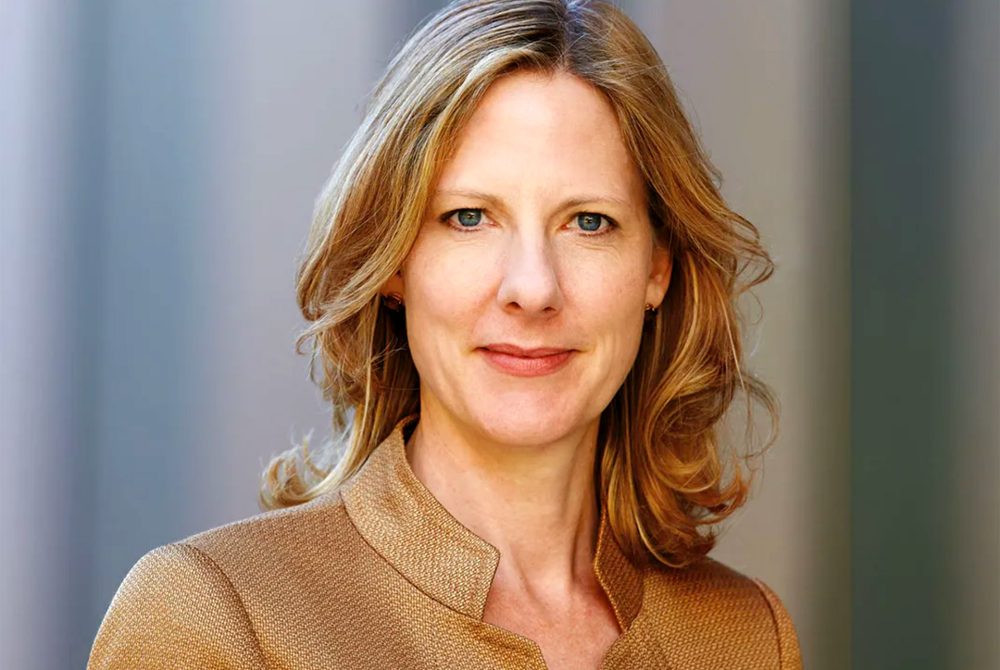
One year into the job, Heather Gerken has redrawn the map of the Ford Foundation. The foundation announced a new strategic direction on Thursday, October 22, reorganizing its grantmaking around what it calls the preconditions for thriving democracies. It is the first refresh of the foundation’s areas of work in more than a decade, and it arrives less than two weeks before the midterm elections.
The announcement matters because of scale. Ford holds an endowment of $18 billion, funds more than 2,300 grantees, and expects to make about $700 million in grants in 2027, according to Fortune. When a funder of that size changes its priorities, thousands of nonprofits feel the change in their budgets within two budget cycles. Gerken, the foundation’s 11th president and a former dean of Yale Law School, is a constitutional law scholar. She has built the new strategy around her own field.
Seven areas, one throughline
The seven new funding areas are Protecting Democratic Governance and the Rule of Law; Building Just and Inclusive Economies; Defending Information as a Public Good; Securing Safety, Justice, and Fairness; Accelerating Gender Equality; Fostering Global Cooperation; and Advancing Racial Justice. Each area gets its own strategy on a rolling basis through 2027. The foundation says its work for communities pushed to the margins will run across all seven areas rather than sit inside one program.
“The Ford Foundation’s new vision is an evolution, not a revolution, of our work, and a reflection of this era’s rapidly changing global landscape,” Gerken said. In an interview with The Associated Press, she put the logic more bluntly: “If you don’t have a rule of law, if you don’t have an election system that functions, all the other values that Ford cares about, all the other projects that Ford has done over the years, fall apart.” The report behind the strategy, “How We Meet This Moment,” reaches back to the Gaither Report of 1950, when Ford’s trustees charged the young foundation with “the advancement of the ideals and principles of democracy” in another unsettled period.
A racial justice fund, and a different way of writing checks
The racial justice area has machinery behind it. Ford will establish a racial justice fund, assign dedicated staff to support the field, and run the work across its entire portfolio. The foundation describes the aim in plain terms: to counter what it calls a growing crisis of historic erasure and a retreat from honest reckoning. Ford’s history gives that language weight. The foundation bankrolled civil rights litigation for decades and opposed apartheid in South Africa, and its board chair is Ursula Burns, the first Black woman to run a Fortune 500 company. “We believe this new strategy reflects the fundamental convictions that have guided Ford for generations,” Burns said. “This strategy reflects the ambition, dedication, and experience of the leadership team and is exactly what this moment requires.”
The money will move differently, too. Ford says it will make larger grants, commit to more multiyear general operating support, and put a new Office of Innovation to work on shared infrastructure, partnerships, and technology tools for the nonprofit sector. Starting in January 2027, program staff will shift into three functional units covering strategy design, transitional grantmaking, and the responsible closing of areas of work that no longer fit. “We will work strategically, ambitiously, and nimbly, so we can make a meaningful difference for people of color, people with disabilities, and for those who have been sidelined from our democratic and economic systems,” said Nicholas Turner, the foundation’s executive vice president for programs.
One of the seven areas should hold the attention of every independent publisher in the country. Defending Information as a Public Good commits Ford to protect a media environment that strengthens democracy and to press for digital technologies that are designed and governed in the public interest. The last overhaul of this size came in 2015, when Darren Walker turned the foundation toward inequality. Gerken’s version starts one step earlier, with the conditions that make every other fight winnable. The full announcement is on the foundation’s site.
The Social Register’s event directory tracks the season’s galas, benefits, and society evenings. Plan your next evening there.