
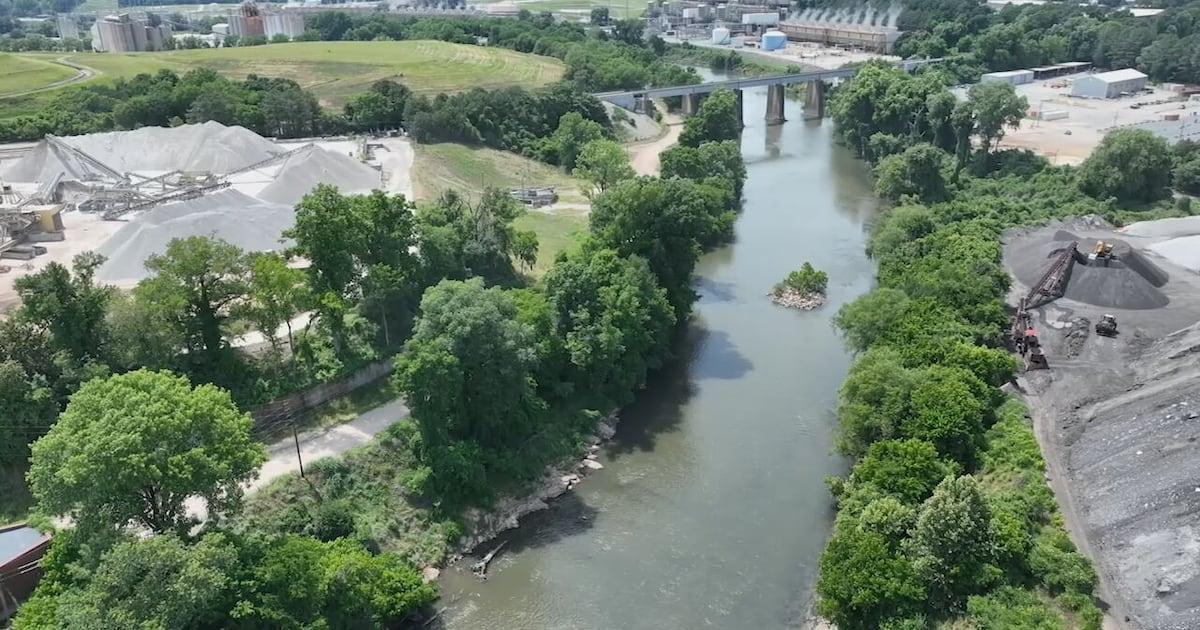
Environmental officials are investigating after thousands of fish were discovered dead in parts of the following severe flash flooding that recently swept through the region.
The alarming scene has sparked concern among residents, conservation groups, and environmental experts as large numbers of dead fish reportedly surfaced along sections of the river after heavy rainfall and rapidly rising water levels. Officials believe sudden flooding may have disrupted oxygen levels, stirred pollutants and debris, or dramatically altered water conditions, creating a deadly environment for aquatic life.
The river serves as a major water source and ecological habitat throughout Georgia and neighboring states, supporting fish populations, wildlife, recreation, and surrounding communities. Environmental agencies are now collecting water samples and conducting assessments to determine the exact cause and extent of the die-off.
Experts note that flash flooding can create dangerous environmental conditions by washing contaminants, sediment, and waste runoff into rivers at high volumes, potentially triggering oxygen depletion and toxic conditions for fish and other aquatic species.
Residents who witnessed the aftermath described the situation as shocking and heartbreaking, with images and videos of the dead fish quickly spreading across social media. Many community members are now raising concerns about water quality, environmental protection, and the long-term impact on local ecosystems.
Environmental officials have urged the public to avoid disturbing affected wildlife areas while investigations continue. Authorities are also expected to monitor nearby sections of the river for additional environmental impacts in the coming days.
The incident has reignited broader conversations about climate-related weather extremes, urban runoff, and the vulnerability of natural waterways during severe flooding events across the southeastern United States.