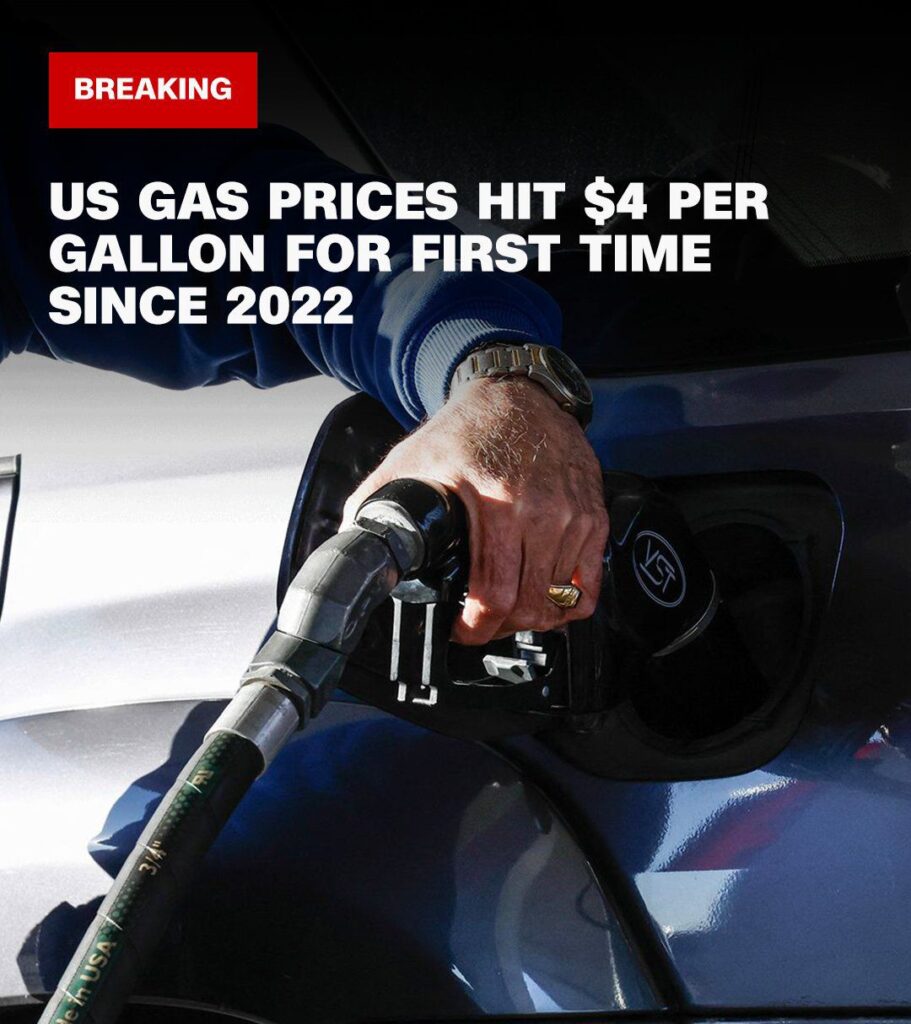
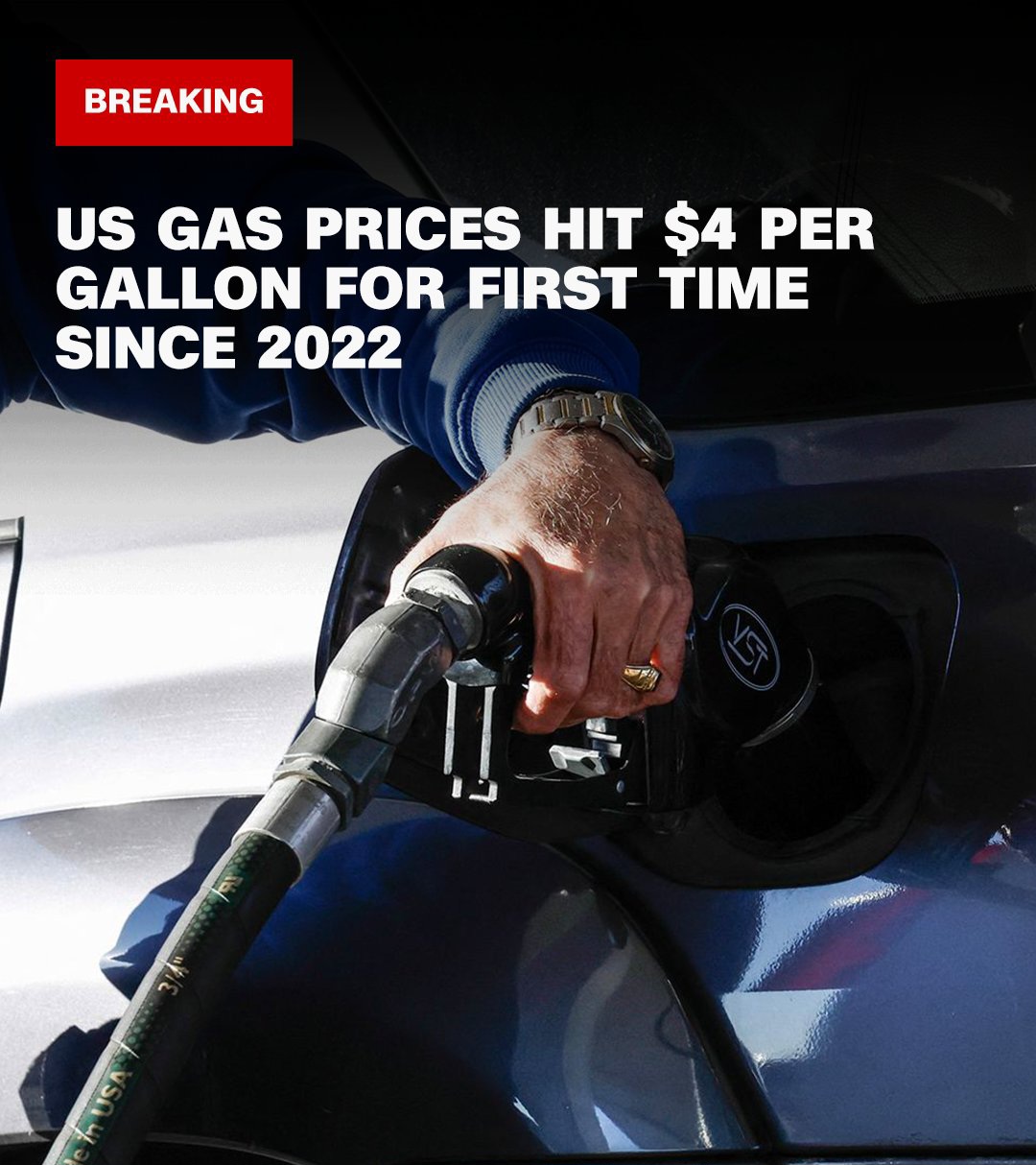
Gasoline prices across the United States have officially crossed the $4 per gallon threshold, marking a significant moment in the country’s economic landscape and the highest national average since 2022. The surge also places current prices above any levels recorded during the presidency of Donald Trump, reigniting debate over energy policy, inflation, and household affordability.
A Perfect Storm Driving Prices Up
Energy analysts point to a convergence of global and domestic pressures fueling the spike:
• Geopolitical tensions: Ongoing instability in key oil-producing regions has tightened global supply chains, pushing crude oil prices higher.
• OPEC+ production strategies: Output cuts and controlled supply from major oil producers have reduced availability on the global market.
• Refinery bottlenecks: Several U.S. refineries have been operating below full capacity due to maintenance issues and seasonal transitions, limiting gasoline output.
• Seasonal demand surge: Warmer months typically bring increased travel, driving up demand for fuel nationwide.
Together, these factors have created a supply-demand imbalance, placing upward pressure on prices at the pump.
The $4 Benchmark: More Than Just a Number
Crossing the $4 mark is not just economic—it’s psychological. Historically, this level:
• Signals heightened financial strain for everyday Americans
• Triggers consumer behavior changes, including reduced travel
• Becomes a focal point in political and economic discourse
For many drivers, it represents a tipping point where fuel costs begin to noticeably impact daily life.
Political and Policy Implications
The spike is likely to intensify scrutiny on:
• Federal energy policies
• Strategic petroleum reserve decisions
• Domestic oil production levels
•Long-term investments in alternative energy
Energy prices have historically played a major role in shaping public opinion and political narratives, making this surge particularly significant.
Bottom Line
With gas prices now exceeding $4 per gallon, Americans are once again navigating rising costs at the pump, underscoring how deeply interconnected global energy markets are with everyday life. Whether this is a temporary spike or the start of a longer trend will depend on forces far beyond U.S. borders—but for now, the impact is immediate and widespread.