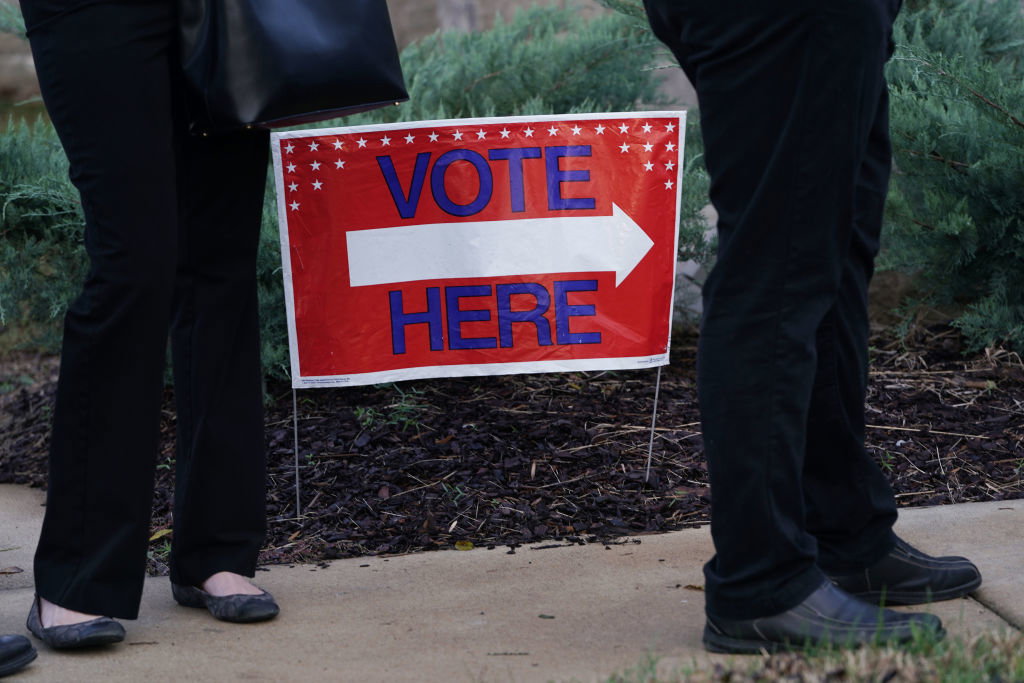
North Carolina keeps the clearest ledger of what is happening. Black voters are a little more than 19 percent of the state’s registered voters. As of this week, they have cast nearly 22 percent of all ballots in the midterm election. On the eve of Election Day, Tuesday, November 3, the pattern repeats across the South: Black voters are showing up early, in numbers ahead of their share of the rolls, for a federal government most of them say they do not trust at all.
The scale of the electorate makes the turnout consequential. The Pew Research Center estimates about 30.65 million Black eligible voters this year, roughly 12 percent of everyone who can vote in America. What they are doing with that weight, and what they expect in return, was the subject of “Know Before You Vote,” an October 28 panel convened by Word In Black, and of new early findings from the 2026 Black Census, run by Black Futures Lab.
Participation is not confidence
The Black Census early findings, released October 5, contain the election’s sharpest contradiction. Ninety-five percent of respondents said they intend to vote. Three percent said they trust the federal government. Three percent said they trust elected officials overall; trust in Black elected officials reached 23 percent. “Don’t confuse participation with confidence,” said Kristin Powell, Black Futures Lab’s executive director, at the briefing. Black voters, she argued, are not asking to restore an older democracy. “Black people are making a case for co-governance.”
One caution belongs inside the numbers. The Black Census is a self-selected survey: people choose to take it, which makes it a record of an engaged constituency rather than a scientific measure of all Black Americans. The early findings rest on 6,287 completed responses, and Black Futures Lab aims to reach 300,000 in this, the project’s third edition. Read the percentages as the voice of the voters most determined to be counted, which is, for a midterm electorate, close to the population that will decide it.
What that constituency wants is specific. Ninety percent of respondents backed making college affordable. Support reached 84 percent for each of reparations, requiring data centers to pay more for the electricity they use, and regulating artificial intelligence while protecting data privacy. Food security drew 79 percent, help with parks and green spaces 73 percent, child care assistance 66 percent. Asked about their own lives, respondents put getting out of debt first.
Affordability is doing the persuading
The panelists at Word In Black’s session kept returning to the price of ordinary life. Political commentator Ameshia Cross said younger voters are turning out at higher rates than in the last midterm, pulled back into politics by rent, groceries and wages. “There can be people who are suspicious of the government but also know that the path forward involves them taking part in the democratic process,” Cross said. “Black people have put on the cape for democracy over and over and over again.” She put the job losses since 2025 at more than 700,000 Black women; Dr. Christina Madison, a clinical pharmacist on the panel, added roughly 300,000 Black men, and argued that health care is on the ballot, with Medicaid changes still to come.
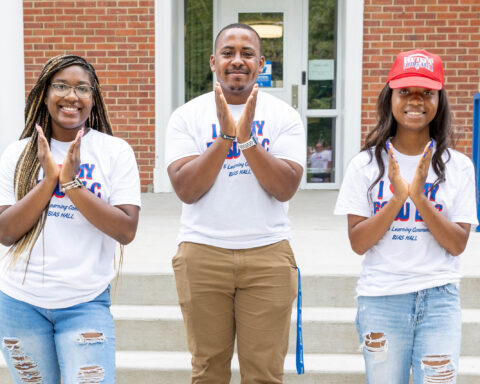
The maps are part of the turnout story too. Nebeyatt Betre of the Democratic Congressional Campaign Committee pointed to congressional districts redrawn mid-cycle in Alabama, Louisiana, Ohio and Tennessee; analysts estimate about a third of the districts represented by Black members of Congress, or holding majority-Black populations, were eliminated or severely altered. In Greensboro, when officials removed a polling place from the North Carolina A&T campus, students organized a march to vote early, and students at Texas Southern, Xavier and Dillard have done the same. “These are not anomalies,” said JaRel Clay of the HipHop Caucus.
None of the panelists promised that Tuesday settles anything. Their closing argument was about what voting is for. “This loyalty to any party without accountability is not power,” Clay said. “We are not red people, we’re not blue people, we are Black people.” The early ballots are already in. The accountability, the panelists agreed, is the part that starts on Wednesday.
The Social Register’s event directory tracks the season’s galas, benefits, and society evenings. Plan your next evening there.