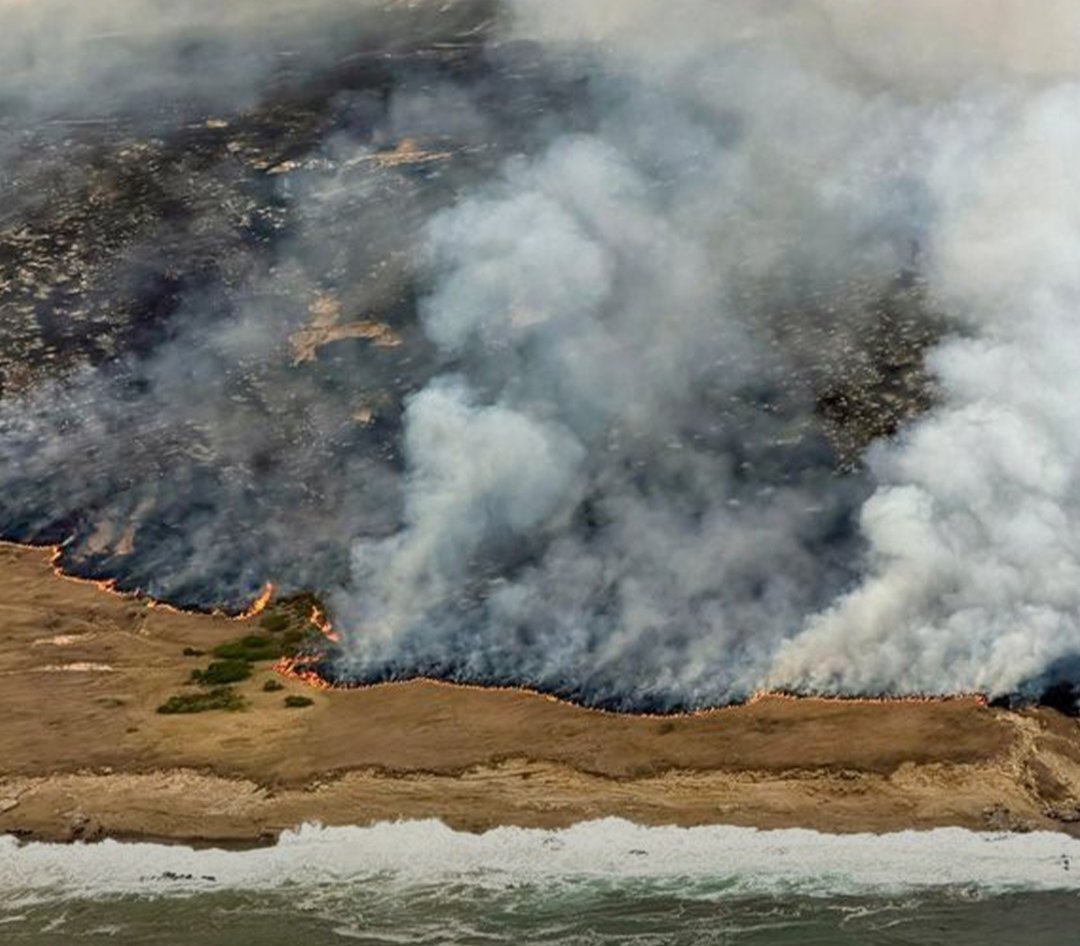
A major wildfire has burned through nearly one-third of , raising serious environmental concerns as firefighters battle flames in one of California’s most ecologically unique and protected regions.
The fire is impacting parts of , an area internationally recognized for its rare biodiversity and fragile ecosystems. Environmental officials warn that the wildfire threatens dozens of plant and animal species, including several that exist nowhere else in the world.
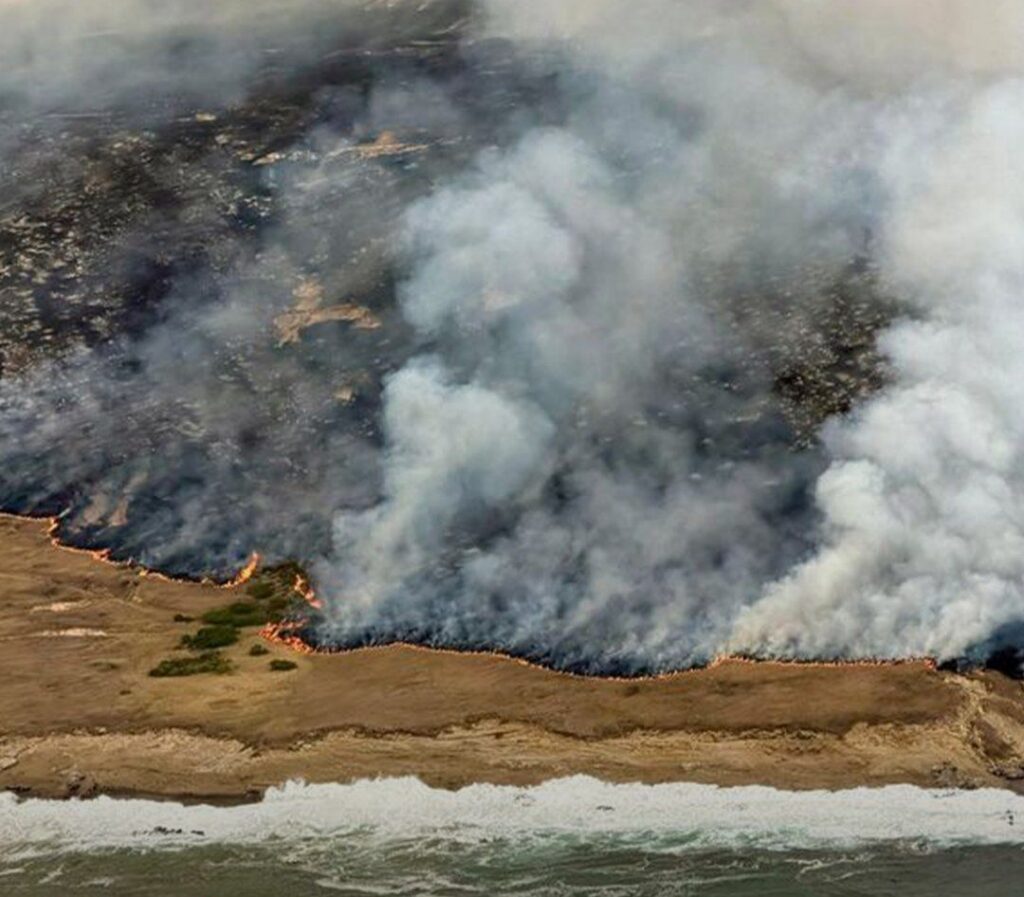
Santa Rosa Island is home to rare coastal habitats, endangered wildlife, and unique vegetation shaped by thousands of years of geographic isolation. Conservationists fear the long-term ecological damage could be devastating if sensitive species and habitats are destroyed by the flames.
Fire crews have reportedly been working under difficult conditions due to rugged terrain, dry weather, and strong winds that continue fueling the blaze. Officials are closely monitoring the spread while attempting to protect vulnerable ecosystems and historical sites located within the national park.
Scientists and environmental advocates say the wildfire highlights growing concerns surrounding climate change, drought conditions, and the increasing intensity of wildfires across the western United States. Rising temperatures and prolonged dry seasons have contributed to more destructive fire seasons throughout California in recent years.
Social media users and environmental groups have expressed alarm over the destruction, with many calling attention to the importance of protecting the Channel Islands’ rare ecosystems and wildlife populations.
The is often referred to as “North America’s Galápagos” because of its extraordinary biodiversity and isolated species evolution. Experts warn that damage to the island’s ecosystem could take years — or even decades — to recover depending on the extent of the fire’s impact.
As firefighting and containment efforts continue, environmental agencies are expected to begin assessing the full scale of ecological damage once conditions become safe for researchers and emergency teams to access affected areas.